Bas Tera Saath Ho Episode Review: Why the Nikah Scene Became the Drama's Most Powerful Moment
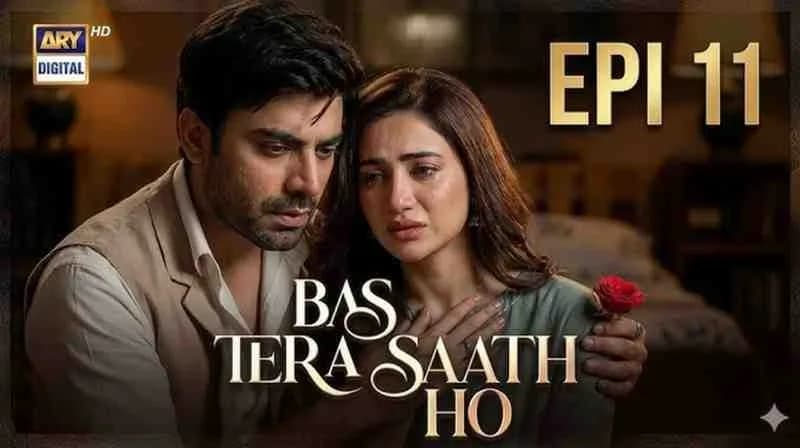
The latest episode of Bas Tera Saath Ho has become one of the most talked-about moments in Pakistani television, largely because of its emotionally grounded Nikah scene. Instead of relying on dramatic background music, lengthy monologues, or exaggerated reactions, the episode presents a simple yet deeply meaningful wedding sequence that places faith, sincerity, and character development at the center of the story. This creative choice has sparked widespread discussion among viewers across social media and entertainment platforms.
The Nikah is not presented as an isolated emotional highlight. It represents the culmination of the challenges faced by Anas and Ansa throughout the series. Their journey, marked by personal struggles, family pressures, and emotional growth, gives greater significance to the ceremony and makes the moment feel earned rather than manufactured. That narrative progression is one of the episode's greatest strengths.
Quick Summary
The episode centers on the long-awaited Nikah of Anas and Ansa.
A Quranic verse is incorporated into the ceremony, adding religious and emotional depth.
The absence of background music allows the dialogue and atmosphere to carry the emotional weight.
Strong performances from the lead cast make the scene feel authentic and believable.
The episode has received positive reactions from viewers who appreciated its respectful portrayal of an Islamic marriage ceremony.
Beyond the emotional impact, the episode also demonstrates careful storytelling. Rather than attempting to create suspense through unnecessary twists, it focuses on meaningful conversations, restrained performances, and realistic family interactions. This measured approach allows the emotional moments to resonate naturally with viewers instead of feeling overly theatrical.
This review examines what happens during the episode, why the Nikah scene has generated so much attention, how the performances contribute to its success, and whether the episode lives up to the praise it has received. It also explores the direction, cinematography, audience response, and the cultural significance of portraying an Islamic marriage ceremony with authenticity and respect.
What Happens in This Episode?
Episode 14 marks a significant turning point in Bas Tera Saath Ho. After weeks of emotional uncertainty, family conflicts, and difficult decisions, the story shifts from tension to resolution as Anas and Ansa finally begin a new chapter together. Rather than rushing through the events, the episode allows each moment to unfold naturally, giving viewers time to connect with the emotions of every character involved.
The central focus is the long-awaited Nikah ceremony. Unlike many television weddings that prioritize elaborate celebrations, this episode adopts a restrained and realistic approach. The ceremony is presented with simplicity, placing greater emphasis on the religious significance of marriage, family acceptance, and the emotional journey of the two protagonists.
As the Nikah proceedings begin, the atmosphere reflects both relief and anticipation. Family members react in different ways, highlighting the relationships and tensions that have shaped the story since the beginning of the drama. These interactions add emotional depth without distracting from the importance of the ceremony itself.
One of the episode's defining moments is the inclusion of a Quranic verse during the Nikah. Instead of treating the wedding as merely a dramatic milestone, the production incorporates elements that reinforce the spiritual foundation of an Islamic marriage. Combined with the decision to avoid intrusive background music, the sequence feels intimate, respectful, and emotionally authentic.
The performances further strengthen the episode. Farhan Saeed portrays Anas with quiet confidence and sincerity, allowing subtle expressions to communicate his character's emotional state. Sana Javed delivers a measured performance as Ansa, reflecting both the weight of her past experiences and the hope that comes with a fresh beginning. Their chemistry makes the ceremony believable and emotionally engaging.
Episode Highlights
The long-awaited Nikah of Anas and Ansa becomes the emotional centerpiece of the story.
The ceremony is presented with simplicity, avoiding unnecessary melodrama.
A Quranic verse adds religious and cultural significance to the sequence.
The absence of background music allows dialogue and natural ambience to drive the emotional impact.
Strong performances and restrained direction make the episode feel realistic and memorable.
Although the episode delivers the resolution many viewers were hoping for, it also lays the groundwork for future developments. Marriage marks the beginning of a new phase rather than the conclusion of the story, leaving several personal and family dynamics to evolve in the episodes ahead. This balance between closure and anticipation helps maintain audience interest while giving the Nikah scene the emotional importance it deserves.
Why the Nikah Scene Stands Out
Pakistani dramas frequently feature elaborate wedding sequences with grand sets, dramatic music, and extended celebrations. While these scenes are visually impressive, they often prioritize spectacle over emotional authenticity. Bas Tera Saath Ho takes a different approach. Its Nikah scene focuses on the true meaning of the occasion, allowing the emotions, dialogue, and religious significance to take center stage rather than relying on cinematic effects.
One of the most notable creative decisions is the absence of conventional background music. Instead, the scene uses natural sound, measured pacing, and carefully written dialogue to create an atmosphere of sincerity. This choice encourages viewers to focus on the words being spoken and the emotions shared between the characters, making the moment feel more personal and immersive.
Another reason the sequence resonated with audiences is that it reflects the spiritual importance of an Islamic marriage. The inclusion of a Quranic verse during the Nikah reinforces that marriage is not simply a celebration but a sacred commitment built on mutual respect, responsibility, and faith. Rather than using religion as a dramatic device, the episode integrates these elements naturally into the narrative.
The emotional impact also comes from the story that precedes the ceremony. Viewers have followed Anas and Ansa through misunderstandings, family pressures, and personal struggles. Because the characters have earned this moment through their journey, the Nikah feels like a meaningful resolution instead of a predictable plot twist. Their expressions, restrained performances, and quiet interactions communicate more than lengthy speeches could.
What Makes This Nikah Scene Different?
Typical TV Wedding | Bas Tera Saath Ho |
|---|---|
Heavy background music | Natural sound and emotional silence |
Focus on lavish celebrations | Focus on the Nikah itself and its significance |
Long dramatic reactions | Subtle performances and realistic emotions |
Entertainment-driven storytelling | Character-driven and faith-centered storytelling |
The direction also deserves recognition for resisting the temptation to over-dramatize the scene. Camera movements remain controlled, close-up shots are used selectively, and emotional pauses are allowed to breathe. This understated visual style complements the writing and performances, creating a sequence that feels genuine rather than staged.
The positive response on social media reflects this difference. Many viewers praised the production for presenting a Nikah that respected Islamic values while remaining emotionally engaging. Instead of becoming memorable because of extravagant visuals, the scene gained attention because it felt authentic, relatable, and rooted in the lived experiences of many Pakistani families.
Key Takeaway: The Nikah scene stands out because it prioritizes authenticity over spectacle. Through restrained direction, meaningful dialogue, natural sound design, and a respectful portrayal of Islamic traditions, the episode delivers one of the most emotionally resonant moments in the series.
Farhan Saeed's Performance as Anas
Farhan Saeed delivers one of his most restrained performances in Bas Tera Saath Ho, proving that emotional depth does not always require dramatic dialogue or exaggerated expressions. Throughout the episode, his portrayal of Anas reflects quiet confidence, patience, and emotional maturity, qualities that become especially evident during the Nikah sequence.
Instead of dominating the scene, Farhan allows the story to unfold naturally. His controlled body language, subtle facial expressions, and measured dialogue help communicate Anas's emotions without overwhelming the moment. This understated approach aligns with the episode's overall tone, where sincerity takes precedence over theatrical performances.
A Character That Has Grown with the Story
One of the strengths of Farhan Saeed's performance is its consistency. Since the beginning of the drama, Anas has been portrayed as a thoughtful and compassionate individual who often chooses patience over confrontation. Episode 14 builds on that foundation rather than introducing sudden personality changes simply to heighten the emotional impact of the wedding.
During the Nikah, Anas appears composed, respectful, and fully aware of the significance of the moment. His reactions are subtle but meaningful, reflecting both relief and gratitude after the emotional journey that brought him and Ansa together. These quiet moments allow viewers to connect with the character on a more personal level.
Performance Highlights
Natural dialogue delivery without unnecessary dramatization.
Expressive facial reactions that convey emotion with restraint.
Consistent character development from earlier episodes.
Strong on-screen chemistry with Sana Javed.
Balanced emotional performance that supports the story instead of overshadowing it.
Chemistry with Sana Javed
A successful romantic storyline depends not only on individual performances but also on believable chemistry between the lead characters. In this episode, Farhan Saeed and Sana Javed complement each other's performances effectively. Their interactions feel genuine because both actors rely on subtle expressions, pauses, and natural conversation instead of exaggerated romantic gestures.
This balance is particularly noticeable during the Nikah scene. Rather than focusing solely on emotional close-ups, the actors allow the significance of the ceremony to speak for itself. Their restrained performances reinforce the authenticity of the moment and contribute to the episode's overall emotional impact.
A Performance Built on Simplicity
Farhan Saeed's portrayal of Anas demonstrates that compelling acting often comes from precision rather than intensity. Small gestures, controlled emotions, and believable reactions create a character who feels relatable and grounded. This approach matches the director's understated storytelling style and strengthens the emotional weight of the episode without resorting to conventional television melodrama.
Verdict: Farhan Saeed's performance succeeds because it prioritizes authenticity over spectacle. His calm, emotionally measured portrayal of Anas enhances the realism of the Nikah scene and plays a significant role in making Episode 14 one of the drama's most memorable installments.
Sana Javed's Performance as Ansa
Sana Javed delivers one of her strongest performances in Bas Tera Saath Ho, bringing emotional restraint and authenticity to Ansa's character. Rather than portraying the bride as overly emotional or dramatic, she presents Ansa as someone who has endured personal challenges and now approaches a life-changing moment with quiet confidence and hope. This nuanced performance complements the episode's realistic storytelling style.
From the opening moments of the Nikah sequence, Sana Javed communicates emotion through subtle facial expressions, eye contact, and composed body language. Instead of relying on lengthy emotional speeches, her performance reflects the significance of the occasion through silence and natural reactions. These details help viewers understand Ansa's emotional journey without the need for excessive dialogue.
Ansa's Emotional Journey
The impact of this episode is strengthened by the character development established in previous installments. Ansa's path has not been without obstacles. Family expectations, emotional uncertainty, and difficult decisions have shaped her perspective throughout the drama. Because viewers have witnessed this gradual evolution, her happiness during the Nikah feels well-earned rather than rushed.
Sana Javed successfully balances vulnerability with resilience. Even during the ceremony, her expressions suggest that Ansa understands the responsibilities of marriage as much as the joy it brings. This emotional balance adds depth to the character and makes the performance more relatable.
What Makes Sana Javed's Performance Effective?
Natural and understated emotional expression.
Consistent portrayal of Ansa's character development.
Strong chemistry with Farhan Saeed during key scenes.
Balanced performance that avoids unnecessary melodrama.
Authentic reactions that enhance the realism of the Nikah sequence.
Strong Chemistry with the Supporting Cast
Beyond her scenes with Anas, Sana Javed also shares convincing interactions with the supporting characters. Her exchanges with family members reflect the emotional complexity of the story, showing gratitude, respect, and quiet optimism. These moments reinforce the importance of family relationships within the narrative and help the episode maintain its emotional consistency.
The supporting cast also contributes to the effectiveness of her performance by allowing conversations and reactions to unfold naturally. Instead of dominating every scene, Ansa remains part of a larger family dynamic, making the story feel grounded and believable.
A Performance That Matches the Episode's Tone
The success of the Nikah sequence depends on both lead actors maintaining the same restrained acting style. Sana Javed's performance aligns perfectly with this approach. Her measured delivery, composed expressions, and emotional sincerity ensure that the focus remains on the meaning of the ceremony rather than exaggerated television drama.
Verdict: Sana Javed's portrayal of Ansa is one of the episode's defining strengths. By combining emotional maturity with subtle acting, she helps create a Nikah scene that feels genuine, culturally respectful, and emotionally satisfying for viewers.
Direction, Cinematography, and Sound Design
While the performances deserve significant praise, the emotional impact of this episode would not have been possible without thoughtful direction and technical execution. Instead of relying on dramatic visual effects or fast-paced editing, the creative team adopts a restrained style that allows the story and characters to remain the primary focus. Every technical decision supports the emotional weight of the Nikah rather than competing with it.
The direction emphasizes realism over spectacle. Emotional moments are given enough time to develop naturally, with conversations unfolding at a measured pace. Rather than interrupting key scenes with unnecessary flashbacks or exaggerated reactions, the episode trusts viewers to understand the emotions through performances and carefully constructed dialogue.
Cinematography That Supports the Story
The cinematography reflects the intimate nature of the Nikah ceremony. Close-up shots capture the expressions of Anas, Ansa, and their family members without becoming intrusive. Wider frames establish the calm atmosphere of the gathering, while steady camera movements prevent the sequence from feeling overly dramatic. This visual consistency helps maintain the respectful tone established throughout the episode.
Lighting also contributes to the overall mood. Soft, balanced lighting creates a warm and welcoming environment that complements the emotional themes of hope, commitment, and family unity. Instead of using highly stylized visuals, the episode opts for a natural appearance that enhances authenticity.
Technical Highlights
Element | Contribution to the Episode |
|---|---|
Direction | Keeps the storytelling grounded and emotionally authentic. |
Camera Work | Uses steady framing and meaningful close-ups to capture genuine emotions. |
Lighting | Creates a calm and intimate atmosphere without distracting visual effects. |
Editing | Maintains a smooth pace that allows emotional moments to breathe. |
Sound Design | Relies on natural ambience instead of conventional dramatic background music. |
The Power of Silence
Perhaps the episode's most distinctive technical decision is its use of silence. In many television dramas, emotional scenes are accompanied by orchestral music designed to guide the audience's feelings. Here, the absence of intrusive background music allows the dialogue, Quranic recitation, and natural sounds within the ceremony to become the emotional centerpiece. This approach makes the sequence feel more immersive and respectful.
Silence also creates space for viewers to interpret the emotions themselves. Rather than being instructed how to feel through music, the audience experiences the moment alongside the characters. This subtle but effective storytelling technique has been widely appreciated because it enhances realism without diminishing the emotional impact.
A Balanced Production Approach
The episode demonstrates that effective television production is often built on restraint rather than excess. Every technical element—from camera placement and editing to lighting and sound—works together to support the narrative. None of these choices seek attention individually; instead, they collectively strengthen the emotional authenticity of the Nikah scene and reinforce the themes of faith, commitment, and family.
Editorial Assessment: The direction, cinematography, and sound design elevate this episode beyond a standard television wedding. By prioritizing authenticity, careful pacing, and understated technical execution, the production creates an emotionally compelling sequence that resonates long after the ceremony concludes.
Audience Reactions: Why Viewers Connected with the Nikah Scene
Shortly after the episode aired, clips from the Nikah scene began circulating across platforms such as Facebook, Instagram, TikTok, X (formerly Twitter), and YouTube. Rather than focusing solely on the wedding itself, much of the conversation centered on how the scene was presented. Many viewers described it as one of the most respectful and emotionally authentic Nikah sequences shown in a recent Pakistani television drama.
Unlike viral moments driven by controversy, this episode gained attention through positive word of mouth. Audiences appreciated that the production avoided unnecessary melodrama and instead highlighted the religious and emotional significance of the ceremony. The calm pacing, natural performances, and inclusion of Quranic recitation became recurring themes in online discussions.
What Viewers Appreciated Most
Although individual opinions varied, several themes consistently appeared across audience reactions. Many viewers felt the episode demonstrated that a powerful emotional scene does not require extravagant production techniques. Instead, they praised the simplicity of the storytelling and the respectful portrayal of an Islamic Nikah.
Common Audience Reactions
Appreciation for the absence of loud background music.
Praise for incorporating Quranic recitation during the Nikah.
Positive feedback on Farhan Saeed and Sana Javed's restrained performances.
Recognition of the realistic family interactions throughout the ceremony.
Support for presenting marriage as a meaningful commitment rather than only a celebratory event.
Why the Scene Became Shareable
Episodes often go viral because of unexpected plot twists or dramatic confrontations. In this case, the opposite happened. Viewers shared the Nikah scene because it felt genuine and emotionally relatable. Short video clips highlighting key moments were widely circulated, encouraging more people to watch the full episode and participate in discussions.
The sequence also appealed to audiences looking for family-friendly entertainment. Many comments highlighted the respectful tone of the scene, suggesting that it demonstrated how meaningful storytelling can resonate without relying on sensationalism or excessive emotional manipulation.
A Balanced Perspective
While the overall response has been overwhelmingly positive, not every viewer interpreted the episode in the same way. Some felt the pacing of the Nikah sequence was slower than expected, while others preferred additional character interactions before the ceremony concluded. These differing opinions are natural and reflect the diverse expectations audiences bring to television dramas.
Even with these differences, there is broad agreement that the episode succeeds in delivering one of the series' most memorable moments. Its emphasis on authenticity, emotional restraint, and cultural respect has distinguished it from many conventional television wedding sequences and contributed to its strong reception among Pakistani viewers.
Overall Audience Verdict: The Nikah scene resonated because it combined meaningful storytelling, authentic performances, and respect for Islamic traditions. Instead of creating excitement through spectacle, it earned viewers' appreciation through sincerity—an approach that has helped make this one of the most widely discussed episodes of Bas Tera Saath Ho.
Strengths and Weaknesses of the Episode
Episode 14 succeeds because it remains committed to its storytelling style from beginning to end. Rather than introducing unnecessary twists or exaggerated confrontations, it allows character development, meaningful dialogue, and emotional authenticity to drive the narrative. While the episode has received widespread praise, evaluating both its strengths and areas for improvement provides a more balanced perspective.
What the Episode Does Well
The episode's greatest achievement is its ability to create emotional impact through simplicity. Every major creative decision—from the performances to the direction—supports the central story instead of distracting from it.
Major Strengths
Authentic Storytelling: The Nikah sequence feels sincere and culturally grounded rather than overly theatrical.
Strong Lead Performances: Farhan Saeed and Sana Javed deliver restrained performances that suit the tone of the episode.
Respectful Representation: Islamic traditions are incorporated naturally without appearing forced or symbolic.
Balanced Direction: The episode maintains a steady pace and allows emotional moments to develop organically.
Excellent Sound Design: The limited use of background music enhances realism instead of reducing emotional impact.
Consistent Character Development: The emotional payoff feels earned because it builds upon earlier episodes rather than relying on sudden plot twists.
Areas That Could Be Stronger
Despite its many strengths, the episode is not without limitations. Some viewers may find its deliberate pacing slower than expected, particularly if they prefer dramas driven by constant conflict or rapid plot developments. The focus on emotional realism occasionally reduces narrative momentum, especially during extended dialogue sequences.
A few supporting characters also receive limited screen time during the Nikah, leaving certain family dynamics less explored than they could have been. Additional interactions before or after the ceremony might have provided even greater emotional context for some relationships.
Potential Limitations
The slower pacing may not appeal to viewers who prefer fast-moving storylines.
Some supporting characters could have been given more meaningful moments during the ceremony.
Several emotional subplots remain unresolved, leaving questions for future episodes.
Viewers expecting a grand television wedding may find the understated presentation less visually dramatic.
Balanced Evaluation
Most of the episode's perceived weaknesses stem from deliberate creative choices rather than production shortcomings. The restrained pacing, minimalistic presentation, and focus on emotional realism are consistent with the director's storytelling approach. Whether these elements are viewed as strengths or weaknesses largely depends on individual viewing preferences.
For audiences seeking realistic family drama rooted in emotion and cultural authenticity, Episode 14 delivers a satisfying experience. Those expecting high-intensity confrontations or elaborate wedding spectacle may find it comparatively subdued, but that restraint is precisely what distinguishes the episode from more conventional television dramas.
Editorial Verdict: Episode 14's strengths significantly outweigh its limitations. By choosing authenticity over spectacle and emotional depth over excessive drama, Bas Tera Saath Ho delivers one of its most compelling and memorable episodes to date.
How This Nikah Scene Compares with Typical Pakistani Drama Weddings
Wedding episodes have long been among the biggest highlights of Pakistani television dramas. They often feature lavish décor, elaborate bridal entrances, extended dance sequences, emotional confrontations, and dramatic background scores designed to maximize entertainment. While these elements create visually memorable episodes, they can sometimes overshadow the emotional and religious significance of the Nikah itself.
Bas Tera Saath Ho takes a noticeably different path. Rather than treating the wedding as a spectacle, the episode presents the Nikah as the emotional and spiritual culmination of Anas and Ansa's journey. The focus remains on the commitment being made, the relationships between the families, and the quiet emotions shared by the characters.
A Shift from Spectacle to Storytelling
One of the episode's greatest achievements is that it trusts the story instead of relying on production scale. There are no unnecessary dramatic interruptions, exaggerated conflicts, or prolonged wedding festivities designed purely for entertainment. Instead, every scene serves a narrative purpose, allowing viewers to remain emotionally invested in the characters rather than the event itself.
Why This Approach Matters
The episode demonstrates that emotional engagement does not always depend on grand production values. By emphasizing sincerity, family relationships, and the significance of the Nikah, the drama creates a scene that many viewers found more relatable than conventional television weddings. This realism encourages audiences to connect with the characters rather than simply admire the visuals.
The restrained storytelling also allows important cultural and religious elements to remain central to the narrative. Instead of becoming background details, these traditions help define the emotional tone of the episode and reinforce the values that have shaped Anas and Ansa's relationship throughout the series.
Setting a Different Standard
Although every drama has its own creative vision, this episode illustrates that meaningful storytelling can be just as impactful as large-scale production. Its success suggests that audiences appreciate narratives that balance entertainment with authenticity, especially when portraying culturally significant events such as a Nikah.
Rather than attempting to reinvent the wedding episode, Bas Tera Saath Ho succeeds by simplifying it. The combination of restrained performances, respectful direction, and emotionally grounded writing creates a memorable sequence that stands apart from many recent Pakistani television dramas.
Key Takeaway: The episode distinguishes itself not through larger sets or heightened drama, but by returning the focus to the meaning of the Nikah. That creative decision has become one of the primary reasons viewers continue to praise and discuss the episode.
Should You Watch This Episode?
If you have been following Bas Tera Saath Ho from the beginning, Episode 14 is one of the most rewarding chapters of the series. It brings together several storylines that have been developing over previous episodes and delivers an emotional payoff that feels natural rather than rushed. The Nikah scene is not memorable because of extravagant production; it succeeds because the characters have earned this moment through their personal journeys.
Even viewers who are new to the drama may find this episode worth watching, particularly if they appreciate character-driven storytelling and realistic family narratives. While some context from earlier episodes enhances the emotional impact, the central themes of commitment, family support, forgiveness, and hope remain easy to understand.
This Episode Is Recommended If You Enjoy:
Character-driven storytelling with meaningful emotional development.
Pakistani family dramas that prioritize realism over excessive melodrama.
Respectful portrayals of Islamic traditions and cultural values.
Strong performances supported by natural dialogue.
Emotionally satisfying episodes that reward long-term viewers.
However, audiences looking for constant plot twists, high-intensity confrontations, or lavish wedding spectacles may find the pacing slower than expected. The episode deliberately chooses emotional authenticity over dramatic excess, making it better suited for viewers who value thoughtful storytelling.
Recommendation: Episode 14 is among the strongest installments of Bas Tera Saath Ho. Its combination of mature performances, restrained direction, and meaningful storytelling makes it a standout episode for fans of Pakistani television dramas.
Final Verdict
Episode 14 demonstrates that impactful television does not always require grand production values or sensational plot twists. By focusing on authentic performances, thoughtful direction, and the spiritual significance of the Nikah, Bas Tera Saath Ho delivers one of its most emotionally compelling episodes to date.
Farhan Saeed and Sana Javed anchor the story with restrained yet convincing performances, while the supporting cast adds credibility to the family dynamics surrounding the ceremony. The careful use of silence, balanced cinematography, and meaningful dialogue further enhance the viewing experience without overwhelming the narrative.
Although the measured pacing may not appeal to every viewer, it remains consistent with the drama's overall storytelling philosophy. The episode succeeds because it allows emotions to develop organically instead of relying on exaggerated television conventions.
Overall Rating
Storytelling | 9.5/10 |
Acting | 9.5/10 |
Direction | 9/10 |
Cinematography | 9/10 |
Emotional Impact | 10/10 |
Overall Score | 9.4/10 |
For viewers seeking an episode that values sincerity, emotional maturity, and cultural authenticity, this chapter stands out as one of the most memorable entries in the series and reinforces why Bas Tera Saath Ho continues to resonate with Pakistani audiences.
Frequently Asked Questions (FAQs)
1. Why did the Nikah scene in Bas Tera Saath Ho become so popular?
The scene gained attention because of its realistic presentation, restrained performances, absence of dramatic background music, and respectful incorporation of Islamic traditions, making it feel authentic and emotionally impactful.
2. Which episode features the Nikah of Anas and Ansa?
The Nikah takes place in Episode 14, marking a major turning point in the relationship between the two lead characters.
3. Who plays Anas and Ansa in the drama?
Anas is portrayed by Farhan Saeed, while Sana Javed plays the role of Ansa.
4. Why was there no background music during the Nikah?
The production chose a restrained sound design to emphasize the dialogue, Quranic recitation, and emotional authenticity of the ceremony rather than relying on conventional television techniques.
5. Is the episode suitable for viewers who have not watched earlier episodes?
Yes, although watching previous episodes provides better context for the characters' emotional journey and makes the Nikah scene even more meaningful.
6. What makes this wedding sequence different from other Pakistani dramas?
Its focus on faith, family relationships, realistic performances, and understated direction distinguishes it from more elaborate television wedding episodes.
7. Is Episode 14 worth watching?
Yes. If you appreciate emotionally driven storytelling, strong acting, and respectful cultural representation, Episode 14 is one of the strongest episodes of the series.
Article Details
Category: Entertainment
Published:
Updated:
Author: Taimoor Ansari
More Stories