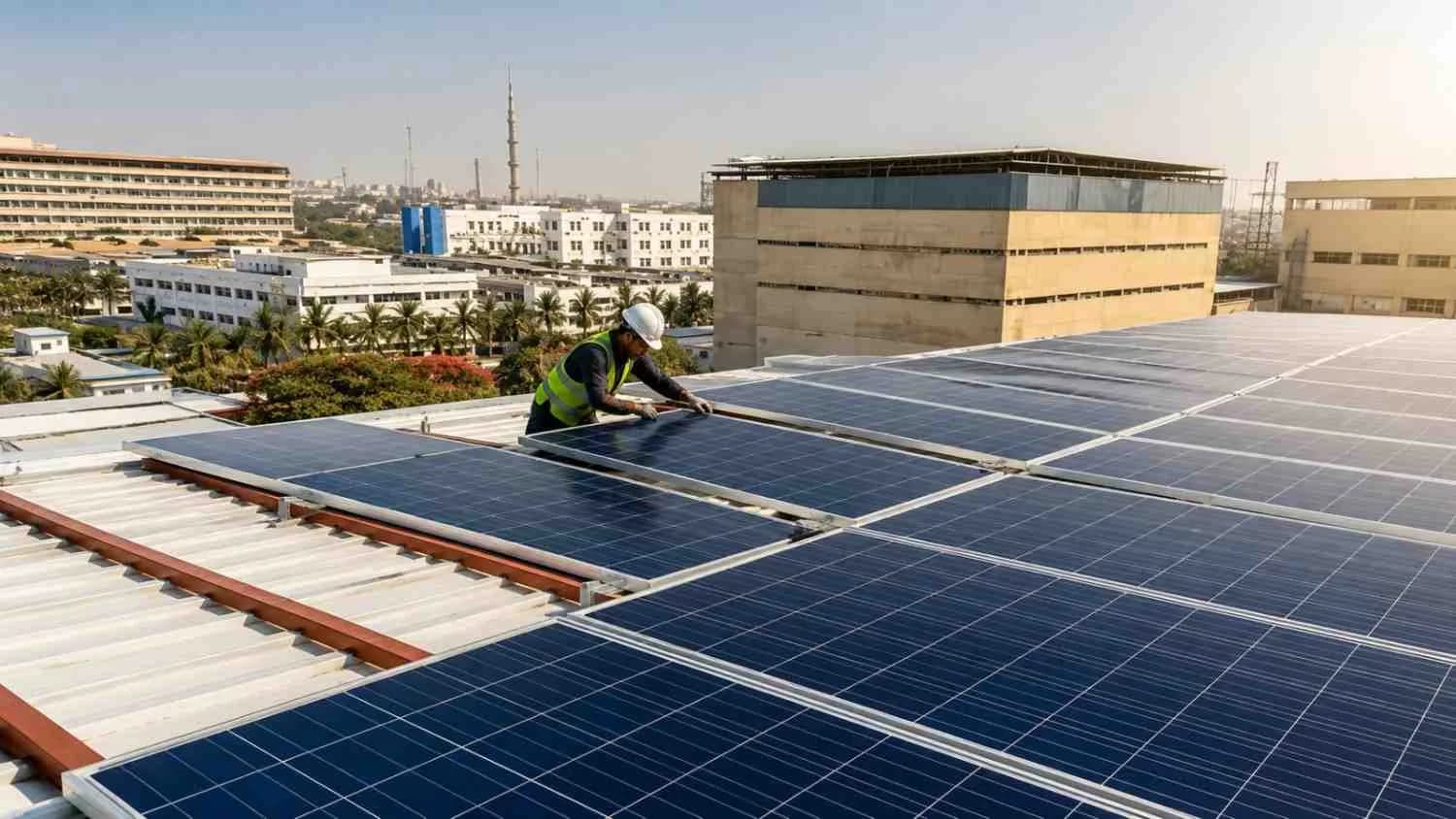
Govt Clears Solar Backlog, Giving Fresh Hope to Pakistan’s Energy Future
What happens when thousands of delayed solar projects finally start moving again? For many Pakistanis struggling with rising electricity bills, it could mean long-awaited relief.
The government has reportedly cleared a major backlog of pending solar energy approvals, opening the door for new renewable projects across the country. The move is being seen as a much-needed push for Pakistan’s energy sector, which has spent years dealing with fuel shortages, expensive imports, and power supply gaps.
In many cases, businesses and households had already invested heavily in solar infrastructure but remained stuck in administrative delays. With approvals now moving forward, industry experts expect fresh momentum in both commercial and residential solar adoption.
Why the Solar Backlog Matters
Pakistan’s energy sector has faced enormous pressure over the past few years. High fuel import costs and fluctuating global oil prices have made electricity generation increasingly expensive.
Solar power offers a different path. Once installed, solar systems reduce dependence on imported fuel and lower long-term operating costs. That matters not only for factories and businesses but also for ordinary families trying to manage monthly expenses.
From experience, one common mistake people make is assuming solar energy only benefits wealthy homeowners. In reality, small businesses, schools, and even farming communities can significantly cut electricity costs through solar adoption.
For many middle-class households, electricity bills now feel like an extra school fee arriving every month. Families often have to reduce spending elsewhere just to keep cooling systems and appliances running during summer.
Industries Expected to Benefit
Manufacturing companies are expected to gain the most from faster project approvals. Industrial users consume large amounts of electricity, and unreliable power supply can directly affect production schedules.
Textile manufacturers, export-oriented industries, and commercial buildings have already shown strong interest in shifting toward renewable energy. Faster approvals could help them reduce operational uncertainty.
| Sector | Potential Benefit | Expected Impact |
|---|---|---|
| Manufacturing | Lower electricity costs | Higher production stability |
| Agriculture | Solar-powered tube wells | Reduced diesel usage |
| Residential | Smaller monthly bills | Better energy independence |
Challenges Still Remain
Despite the positive development, several concerns continue to surround Pakistan’s renewable energy transition. Financing remains difficult for many households, especially with high interest rates affecting consumer loans.
There are also concerns about grid infrastructure and policy consistency. Investors typically want long-term clarity before committing large amounts of capital to renewable projects.
In many cases, delayed policy decisions in the past discouraged smaller companies from entering the market. Industry observers believe smoother approval systems will now be critical to maintaining confidence.
Growing Public Interest in Solar
Public demand for solar systems has increased sharply over the last two years. Rooftop installations are becoming more common in urban areas as people search for alternatives to expensive grid electricity.
Lower solar panel prices globally have also helped increase adoption. However, experts say awareness remains a challenge, especially in smaller cities where consumers may not fully understand system sizing, battery needs, or maintenance costs.
One common mistake people make is purchasing systems without calculating actual electricity usage. That often leads to underperforming setups and unnecessary expenses later.
Closing Thought
The clearance of Pakistan’s solar backlog could become an important turning point if momentum continues. Cleaner energy alone will not solve every problem in the power sector, but faster renewable adoption may reduce pressure on consumers and industries alike. The coming months will reveal whether the country can turn administrative progress into lasting energy stability.
Quick Facts
- Solar project approvals had remained delayed for months
- Industries are expected to benefit from lower energy costs
- Residential solar demand continues to rise nationwide
- Renewable energy may reduce dependence on imported fuel
Article Details
Category: Business
Published:
Updated:
Author: Muhammad Anus
More Stories