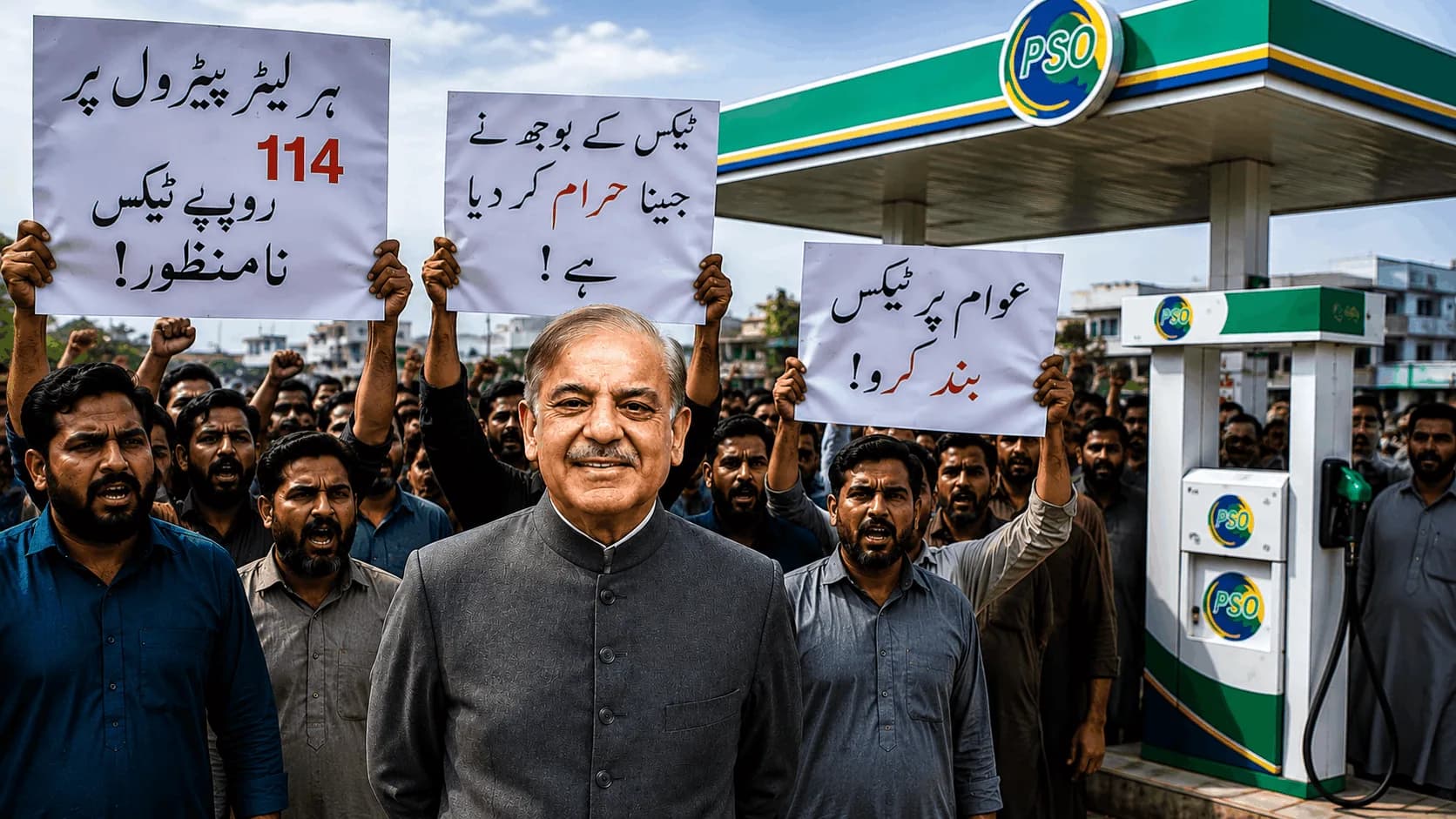
The discussion around Govt to Cut Income Tax Exemptions in 2026-27 Budget is gaining serious attention among taxpayers, businesses, and policy experts in Pakistan. As the government prepares for the Budget 2026-27 Pakistan, early signals suggest a major shift in tax policy where long-standing exemptions may be reduced or completely withdrawn.
In many cases, such reforms are not just about increasing revenue, but also about restructuring the entire tax system to make it more transparent and sustainable. From experience, countries that rely heavily on exemptions often face uneven tax collection and long-term fiscal stress.
Pakistan appears to be moving in a similar direction under pressure from economic realities and international financial expectations.
Why the Government is Considering Tax Exemption Cuts
The idea behind reducing Income tax exemptions cut Pakistan is not random. It is part of a larger economic adjustment plan.
Pressure from fiscal deficit and revenue shortfall
Pakistan continues to face a widening fiscal gap. Spending on debt servicing, subsidies, and development projects often exceeds available revenue.
In simple terms:
Government income is not enough
Borrowing fills the gap
Debt keeps increasing
One common mistake people make is assuming exemptions only benefit businesses. In reality, they also reduce the tax base, making the system less stable.
Influence of IMF-backed reforms
International financial institutions, especially the International Monetary Fund, often recommend reducing unnecessary tax exemptions.
The logic is straightforward:
Broader tax base
Fewer loopholes
More predictable revenue
Pakistan’s reform agenda has increasingly aligned with these recommendations.
Strengthening FBR collection system
The Federal Board of Revenue is under pressure to improve tax collection efficiency.
Reducing exemptions helps FBR:
Track real income more accurately
Reduce misuse of tax benefits
Expand documentation of the economy
What Changes Are Expected in Budget 2026-27 Pakistan
The Pakistan tax reforms 2026 strategy is expected to introduce gradual but impactful changes rather than sudden shocks.
Possible withdrawal of sector-based exemptions
Some industries currently enjoy reduced tax burdens. These may include:
Export-oriented sectors
Real estate incentives
Certain investment funds
Special economic zones
From experience, governments usually avoid removing all exemptions at once. Instead, they phase them out over time to avoid economic disruption.
Tightening of corporate tax incentives
Large companies benefiting from long-term exemptions may see revised tax structures.
Expected changes:
Lower exemption ceilings
Stricter eligibility conditions
More reporting requirements
In many cases, businesses initially feel pressure, but later adapt through better planning and efficiency.
Expansion of tax net instead of exemptions
Rather than relying on reliefs, the government may focus on:
Bringing undocumented sectors into the tax system
Improving digital tracking
Encouraging compliance through penalties and incentives
Impact of Income Tax Exemptions Cut Pakistan on Economy
The impact of FBR tax exemptions withdrawal will likely be mixed in the short term but potentially positive in the long term.
Impact on businesses
Businesses may experience:
Higher operational costs
Reduced profit margins
Need for revised pricing strategies
However, stronger documentation can also improve investor confidence.
A practical example from the US shows similar patterns. When tax loopholes were tightened in certain states, businesses initially resisted but later benefited from more predictable tax policies.
Impact on consumers
If businesses pass costs to consumers, prices may increase slightly.
Possible effects:
Higher product prices
Slight inflation pressure
Reduced discounts in some sectors
But this depends on how aggressively exemptions are removed.
: Impact on investment climate
Investors prefer stable systems over complex exemption structures.
So the long-term outcome could be:
Improved transparency
Better credit ratings
More foreign investment interest
Why This Reform Is Politically and Economically Sensitive
Tax exemptions are often seen as “benefits,” so removing them can be politically challenging.
However, experts argue:
Too many exemptions distort fairness
Wealthier sectors often benefit more
Middle-income taxpayers end up carrying the burden
From experience, the hardest reforms are those that look simple on paper but affect powerful interest groups.
Comparison with International Tax Reform Trends
Countries like the United States, UK, and several Asian economies have also reduced exemptions over time.
For example:
Broader tax bases replaced selective exemptions
Digital tax tracking improved compliance
Governments focused on efficiency instead of loopholes
Pakistan’s direction under Pakistan tax reforms 2026 seems aligned with this global shift.
What Taxpayers Should Expect Next
If these reforms move forward in the Budget 2026-27 Pakistan, taxpayers should prepare for changes.
Practical steps for individuals and businesses
Keep financial records updated
Review current tax benefits and eligibility
Consult tax advisors early
Avoid last-minute compliance issues
One common mistake people make is assuming exemptions will always continue. Budget cycles often bring unexpected adjustments.
Opportunities Hidden in the Reform
Even though the headline sounds restrictive, there are potential positives.
Better economic transparency
A more documented economy reduces corruption and improves trust.
Long-term fiscal stability
Stronger revenue collection can reduce borrowing needs.
Fairer taxation system
Ideally, more people contribute equally rather than a few bearing the burden.
Final Thoughts
The proposed Govt to Cut Income Tax Exemptions in 2026-27 Budget represents a major shift in Pakistan’s fiscal strategy. While short-term adjustments may create pressure for businesses and taxpayers, the long-term goal appears to be a more stable and transparent tax system.
In many cases, such reforms take time to show results, but they are often necessary for economic stability. If implemented carefully, this move could mark a turning point in how taxation works in Pakistan.
For continuous updates on Budget 2026-27 Pakistan and policy changes, platforms like Pehle Pakistan continue to provide timely financial news and analysis.
Article Details
Category: Business
Published:
Updated:
Author: Rabia
More Stories