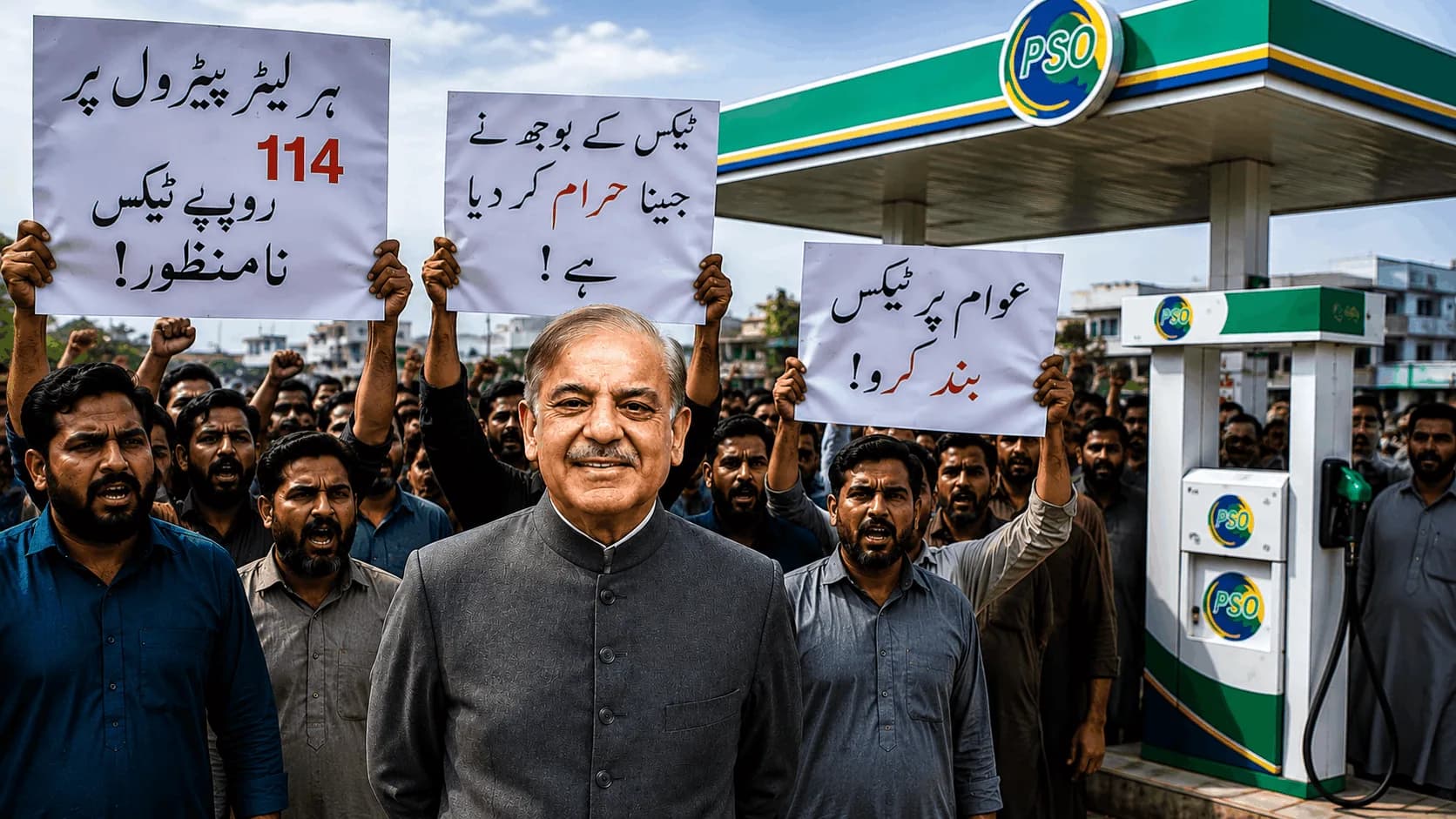
Pakistan's Petrol Prices Have Risen 56% And Diesel 48%
Pakistan’s fuel market has entered another difficult phase, and the impact is now impossible to ignore. The latest reports showing that Pakistan's Petrol Prices Have Risen 56% And Diesel 48% since February have shocked consumers, transporters, and business owners alike. Whether you drive a motorcycle in Karachi, manage a delivery van in Lahore, or run a factory in Faisalabad, the pressure of rising fuel costs is now part of everyday life.
The situation has become even more concerning because fuel prices affect almost everything. When petrol and diesel become expensive, food prices rise, transport fares increase, and businesses pass extra costs to customers. In many cases, people who don’t even own vehicles still suffer because inflation spreads through the entire economy.
One common mistake people make is assuming fuel hikes only affect car owners. From experience, that’s far from reality. A fruit seller transporting goods from one city to another, an online delivery rider, or even a farmer using diesel-powered machinery all feel the impact directly.
Why Pakistan Fuel Prices Are Increasing So Rapidly
The recent Pakistan fuel price increase is not happening because of one single reason. Multiple local and international factors are pushing prices upward at the same time.
Global Oil Prices Continue to Fluctuate
Pakistan imports a large percentage of its petroleum products. That means whenever international crude oil prices rise, local fuel rates eventually increase too.
Tensions in global shipping routes, especially concerns around the Strait of Hormuz, have also created uncertainty in the energy market. Traders fear supply disruptions, which often pushes oil prices even higher.
This is why many analysts are now connecting Petrol diesel price Pakistan discussions with broader Middle East tensions and Pakistan fuel prices Hormuz concerns.
Rupee Depreciation Is Making Imports Costlier
Another major issue is the weakening Pakistani Rupee against the US Dollar. Since international oil is traded in dollars, Pakistan has to spend more local currency to import the same amount of fuel.
Even if global oil prices remain stable for a few weeks, currency weakness can still increase local petrol rates.
Taxes and Petroleum Levies
The government also collects petroleum development levies and other taxes on fuel products. These charges are often adjusted to meet revenue targets and IMF-related financial commitments.
Critics argue that ordinary citizens are carrying the burden, especially during a period of already high inflation.
Pak Current Petrol Price and Diesel Situation
The Pak current petrol price has become one of the most searched economic topics online. Consumers now wait anxiously for every government announcement because even a small increase affects monthly budgets.
Diesel prices are equally important because Pakistan’s transport and agriculture sectors heavily rely on diesel-powered vehicles and machinery.
Why Diesel Matters More Than Many People Think
In Pakistan, diesel is not just a transport fuel. It powers:
Trucks transporting food nationwide
Agricultural equipment
Public buses
Industrial generators
Construction machinery
So when diesel prices rise by 48%, the effect spreads quickly through multiple industries.
In many cases, transporters immediately increase freight charges. Shopkeepers then raise prices to cover transportation costs. Eventually, consumers end up paying more for daily essentials.
The Real Impact on Ordinary Pakistanis
Fuel price hikes sound like economic headlines until they start affecting daily life directly.
Public Transport Is Becoming More Expensive
Bus operators, rickshaw drivers, and ride-hailing services have already increased fares in several cities.
For office workers and students, this creates a serious burden. Someone commuting daily may now spend thousands of extra rupees every month just on transport.
Food Prices Are Rising Again
Higher transportation costs are increasing prices of vegetables, fruits, flour, milk, and other basic items.
From experience, inflation feels even worse when fuel and food prices rise together. Families often start cutting non-essential spending just to manage groceries and utility bills.
Small Businesses Are Under Pressure
Small businesses are among the biggest victims of fuel inflation.
Consider a small online seller running deliveries across Karachi. Rising petrol costs reduce profit margins immediately. The same problem affects courier companies, delivery riders, and local manufacturers.
Many business owners now face a difficult choice:
Increase prices and risk losing customers
Absorb the costs and reduce profits
Neither option is ideal.
Pakistan Fuel Prices Hormuz Concerns Explained
One topic getting attention globally is the Strait of Hormuz, a major oil shipping route connecting Gulf oil producers with international markets.
Any tension or disruption in this region can affect countries like Pakistan very quickly.
Why Hormuz Matters for Pakistan
A large share of the world’s oil passes through this narrow route. If shipping becomes risky or delayed:
Oil prices rise globally
Freight costs increase
Supply chains slow down
Import-dependent countries suffer
Pakistan is especially vulnerable because it relies heavily on imported fuel.
This is why discussions around Pakistan fuel prices Hormuz issues are becoming increasingly important.
Comparison With Regional Countries
Pakistan is not the only country facing fuel challenges. However, the impact differs depending on economic strength, currency stability, and government subsidies.
Bangladesh Oil Crisis Comparison
The Bangladesh oil crisis created similar concerns in recent years. Fuel shortages and rising import bills forced authorities there to increase petroleum prices significantly.
However, Bangladesh managed some pressure better through stronger export performance and relatively stable foreign reserves.
Pakistan, on the other hand, continues to struggle with:
Currency depreciation
External debt pressure
Import dependency
IMF negotiations
These factors make fuel management more difficult.
How Pakistan Compares With India
India also imports large amounts of oil, but its stronger currency reserves and larger refining capacity provide some cushion against sudden shocks.
Pakistan’s economic structure leaves less room for price stabilization.
23 March Petrol Price in Pakistan and Public Expectations
Earlier this year, many citizens expected relief around national holidays and major public occasions. Discussions about the 23 March petrol price in Pakistan became popular online as people hoped for temporary reductions.
However, international oil market conditions and fiscal challenges limited the government’s ability to provide major relief.
This highlights an important reality many people overlook. Fuel pricing today is connected not just to local politics but also to international energy markets and economic agreements.
How Rising Fuel Prices Affect Inflation
Fuel is deeply connected with inflation because transportation powers almost every sector of the economy.
Industries Most Affected
Several industries are already feeling intense pressure:
Transportation Sector
Freight companies and public transport operators face higher operating expenses daily.
Agriculture Sector
Farmers using diesel-powered machinery now pay more for production.
Manufacturing Sector
Factories dealing with logistics and backup generators are seeing operating costs rise sharply.
E-commerce and Delivery Services
Online shopping platforms and food delivery services may eventually pass costs to customers.
What Experts Are Saying
Economists believe Pakistan may continue facing fuel volatility if global oil prices remain unstable.
Some analysts also warn that future increases are possible if:
The Rupee weakens further
International crude prices rise again
Middle East tensions increase
Import costs continue climbing
However, some experts remain cautiously optimistic.
Improved exports, stronger remittances, and stable foreign reserves could eventually help reduce pressure on the economy.
Practical Ways People Are Reducing Fuel Expenses
Many Pakistanis are already changing daily habits to manage higher fuel costs.
Smart Fuel Saving Tips
Here are some practical strategies people are using:
Combining multiple errands into one trip
Using motorcycles instead of cars
Carpooling with coworkers
Avoiding unnecessary travel
Maintaining tire pressure properly
Switching to hybrid vehicles where possible
One common mistake people make is ignoring vehicle maintenance. Poor engine tuning and low tire pressure can quietly waste significant fuel every month.
Could Fuel Prices Increase Further?
That remains the biggest question.
Unfortunately, no government can fully control international oil markets. Pakistan’s fuel prices depend heavily on:
Global crude oil trends
Exchange rate stability
Import costs
Government tax policies
Regional geopolitical tensions
If international conditions worsen, more fuel prices increase could happen in coming months.
At the same time, global oil markets are unpredictable. A drop in crude prices or improvement in Pakistan’s currency could provide temporary relief.
What This Means for Pakistan’s Economy
Rising fuel prices are not just an energy issue. They affect economic growth, inflation, business confidence, and household spending.
In many cases, prolonged fuel inflation slows consumer activity because families prioritize essential expenses over discretionary spending.
Businesses also delay expansion plans when operational costs become uncertain.
Still, Pakistan has faced economic challenges before and managed gradual recovery over time. Much will depend on economic reforms, political stability, and global market conditions moving forward.
Final Thoughts
The reality is clear: Pakistan's Petrol Prices Have Risen 56% And Diesel 48%, and the effects are now visible across every sector of society.
From transport fares and grocery bills to industrial operations and delivery services, rising fuel costs are reshaping economic behavior throughout the country.
While international factors play a major role, people are ultimately looking for stability, predictability, and relief. Until then, fuel prices will remain one of the most closely watched and emotionally charged issues in Pakistan’s economy.
Article Details
Category: News
Published:
Author: Rabia
More Stories