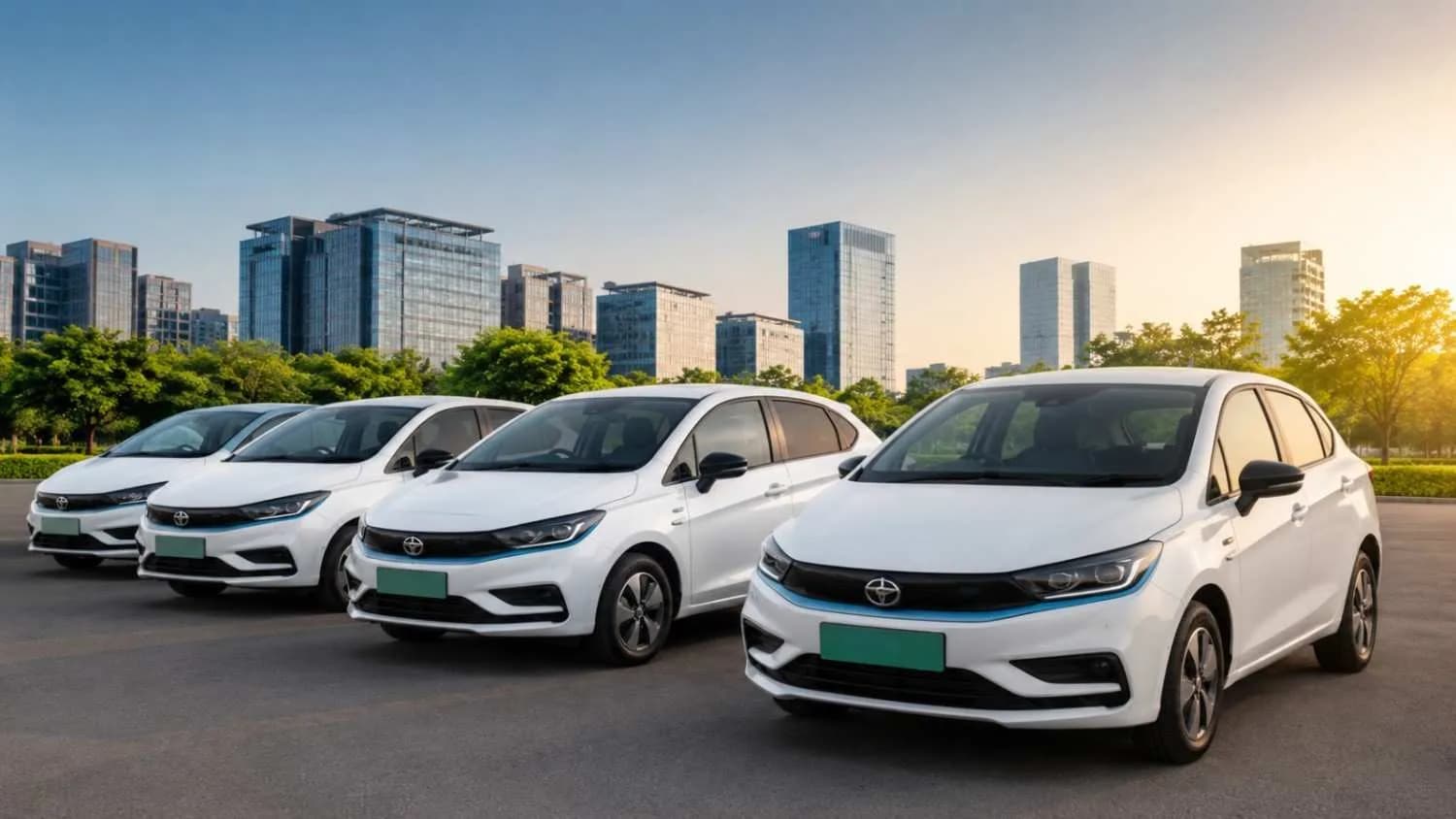
Uber and JSW Join Hands To Accelerate India’s EV Ride-Hailing Push
What happens when one of the world’s biggest ride-hailing companies teams up with a fast-growing Indian industrial giant? India’s electric mobility race suddenly moves a lot faster.
Uber has announced a new partnership with JSW Group to expand electric vehicle ride-hailing services across India. The collaboration is expected to bring thousands of EVs onto Uber’s platform while strengthening charging infrastructure and long-term fleet support. At a time when fuel prices continue to pressure drivers and commuters alike, the move signals a major shift toward cleaner and potentially cheaper urban transport.
Why Uber and JSW Are Betting Big on Electric Mobility
India’s ride-hailing market has been growing rapidly, but operational costs remain a challenge for drivers. Petrol and diesel expenses often eat into daily earnings. In many cases, EVs are becoming a practical alternative because they reduce fuel and maintenance costs over time.
Uber’s partnership with JSW focuses on scaling electric fleets in major cities where demand for app-based transport is already high. The companies are expected to work on vehicle deployment, charging solutions, and driver onboarding.
From experience, one common mistake people make is assuming EV adoption only depends on vehicle prices. In reality, charging access and financing support matter just as much. That is where industrial groups like JSW can play a critical role.
The Bigger Opportunity for Indian Cities
Large Indian cities continue to struggle with pollution and traffic congestion. EV ride-hailing fleets offer one possible solution because they cut tailpipe emissions and lower noise levels.
Uber has already experimented with electric mobility programs in India before, but partnerships with local industrial firms could help the company scale faster. JSW’s growing interest in the EV ecosystem, including manufacturing and energy infrastructure, gives the collaboration more depth than a standard fleet deal.
For everyday commuters, the change may not feel dramatic overnight. However, over the next few years, passengers could begin seeing more electric cabs during daily travel. The transition may resemble how smartphones slowly replaced keypad phones. At first, only a few people adopted them. Then suddenly they became the standard.
Potential Benefits for Drivers and Families
For drivers, lower operating costs remain the biggest attraction. Electricity is generally cheaper than petrol, especially for high-mileage commercial vehicles.
Many drivers in India support entire households with ride-hailing income. Rising fuel prices can hit family budgets like an unexpected school fee increase that arrives at the worst possible time. EVs can reduce that pressure if charging infrastructure stays reliable.
Still, challenges remain. Drivers often worry about battery range, charging wait times, and financing approvals. Industry experts believe partnerships like this will only succeed if those concerns are addressed directly.
Quick Overview of the Partnership
| Area | Expected Impact |
|---|---|
| Electric Vehicles | More EVs added to Uber fleet |
| Charging Infrastructure | Improved charging access for drivers |
| Driver Costs | Potential reduction in fuel expenses |
| Urban Emissions | Lower pollution from ride-hailing vehicles |
Closing Thought
India’s EV transition is no longer limited to private car buyers. Commercial mobility is quickly becoming the next battleground. Uber and JSW’s partnership shows how technology platforms and industrial groups are starting to align around long-term transport goals. If charging networks improve and driver financing becomes easier, electric ride-hailing could move from a niche experiment to a mainstream part of urban life across India.
Quick Facts Box
- Uber partnered with JSW to expand EV ride-hailing operations in India
- The partnership focuses on electric fleets and charging infrastructure
- Drivers may benefit from lower operating and fuel costs
- India’s urban transport sector is rapidly shifting toward EV adoption
Article Details
Category: Auto
Published:
Author: Muhammad Anus
More Stories