
Azerbaijan Signals Major Investment Interest in Punjab’s Clean Energy Sector
Azerbaijan Signals Major Investment Interest in Punjab’s Clean Energy Sector
Azerbaijan Signals Major Investment Interest in Punjab’s Clean Energy Sector
Can foreign investment finally help Punjab solve its growing energy challenges? The latest developments suggest the province may be heading toward a greener and more stable energy future.
Punjab is drawing fresh international attention after Azerbaijan expressed strong interest in investing in clean energy projects across the province. The move could open new doors for renewable energy expansion, industrial growth, and job creation at a time when Pakistan is struggling with rising electricity costs and pressure on its energy infrastructure.
Punjab’s Push Toward Renewable Energy
The Punjab government has recently increased its focus on solar, wind, and other renewable energy projects to reduce dependence on expensive imported fuels. Officials believe foreign partnerships are necessary to speed up this transition.
Azerbaijan’s interest comes at an important time. Pakistan’s energy sector continues to face high generation costs, circular debt issues, and unpredictable fuel prices. In many cases, industries in Punjab are forced to absorb extra electricity expenses that eventually affect consumers through higher prices.
For ordinary families, the financial pressure can feel similar to filling a water tank with a leaking pipe. No matter how carefully expenses are managed, rising utility bills continue draining household budgets.
From experience, energy reforms only work when investment, infrastructure, and policy move together. That is why foreign participation in renewable projects is being viewed positively by business circles.
What Azerbaijan Could Bring to Punjab
Azerbaijan has expanded its own energy partnerships globally over the past few years. While the country is traditionally known for oil and gas production, it has also shown growing interest in renewable energy development and regional infrastructure cooperation.
Punjab officials are reportedly exploring multiple areas where Azerbaijani companies could participate, including:
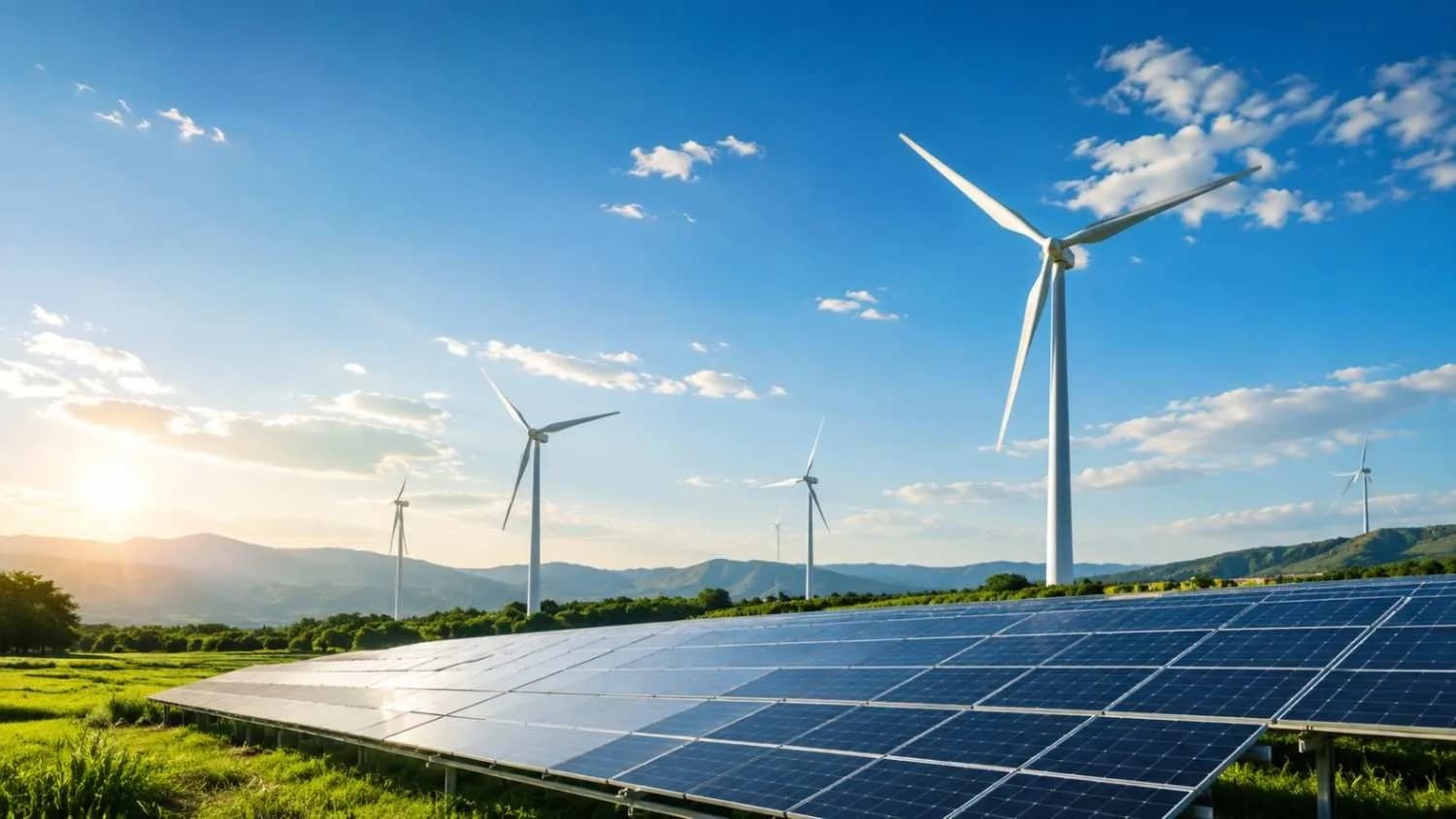
- Large-scale solar parks
- Industrial clean energy systems
- Transmission infrastructure upgrades
- Energy storage solutions
- Public-private renewable partnerships
One common mistake people make is assuming clean energy projects only benefit the environment. In reality, they also reduce long-term operating costs for industries and help stabilize power supply.
Potential Economic Benefits
If investment agreements move forward, Punjab could see significant economic activity linked to construction, engineering, technical services, and manufacturing support.
Energy experts often point out that renewable projects create both direct and indirect employment opportunities. Local technicians, electricians, transport operators, and maintenance workers usually become part of the broader supply chain.
There is also potential for technology transfer. International investors frequently introduce modern energy systems, monitoring tools, and efficiency practices that improve local expertise over time.
| Sector | Possible Impact |
|---|---|
| Solar Energy | Reduced electricity generation costs |
| Industrial Zones | Improved energy reliability for factories |
| Employment | New technical and engineering jobs |
| Infrastructure | Modernization of transmission systems |
Why Punjab Matters for Clean Energy Expansion
Punjab remains Pakistan’s largest economic hub and energy consumer. Industrial cities such as Lahore, Faisalabad, and Gujranwala rely heavily on uninterrupted electricity for manufacturing operations.
Any improvement in power stability directly affects production costs and export competitiveness. Business owners have repeatedly highlighted how power disruptions and tariff uncertainty hurt long-term planning.
Renewable energy projects can help reduce dependence on imported fuel markets, which are often influenced by international political tensions and fluctuating currency exchange rates.
Pakistan also receives strong sunlight for most of the year, making solar investment particularly attractive. Analysts believe Punjab has enough untapped potential to support large renewable installations if financing and infrastructure are managed efficiently.
Challenges Still Remain
Despite growing interest, several challenges could affect the pace of implementation. Investors usually seek regulatory stability, transparent approvals, and long-term policy consistency before committing major funding.
Land acquisition, grid integration, and financing structures are also critical areas that require careful planning. Delays in these sectors have slowed projects in the past.
Still, international interest itself sends an important signal. It shows that Punjab’s energy market continues attracting attention despite economic pressures.
Growing Regional Cooperation
The possible partnership also reflects broader regional economic cooperation between Pakistan and Azerbaijan. Both countries have explored opportunities in trade, energy, infrastructure, and investment over recent years.
Observers believe clean energy collaboration could become one of the most practical areas for long-term cooperation because demand for affordable electricity continues rising across South Asia.
Global investors are increasingly shifting toward renewable projects as governments and industries look for cleaner and more sustainable energy sources. Punjab’s expanding population and industrial base make it a strategic market for future investment.
Closing Thought
Azerbaijan’s interest in Punjab clean energy projects may still be in the development stage, but it highlights how renewable energy is becoming central to Pakistan’s economic future. If handled with transparency and long-term planning, such partnerships could improve energy reliability, support industrial growth, and reduce pressure on consumers facing rising electricity costs. The coming months will likely determine how quickly these discussions turn into real projects on the ground.
Quick Facts
- Punjab is Pakistan’s largest energy-consuming province
- Renewable energy demand is increasing across industrial sectors
- Azerbaijan has shown interest in clean energy cooperation
- Solar and infrastructure projects are among key focus areas
Article Details
Category: Business
Published: 23 May 2026
Time: 10:58 am
Author: Muhammad Anus
More Stories