
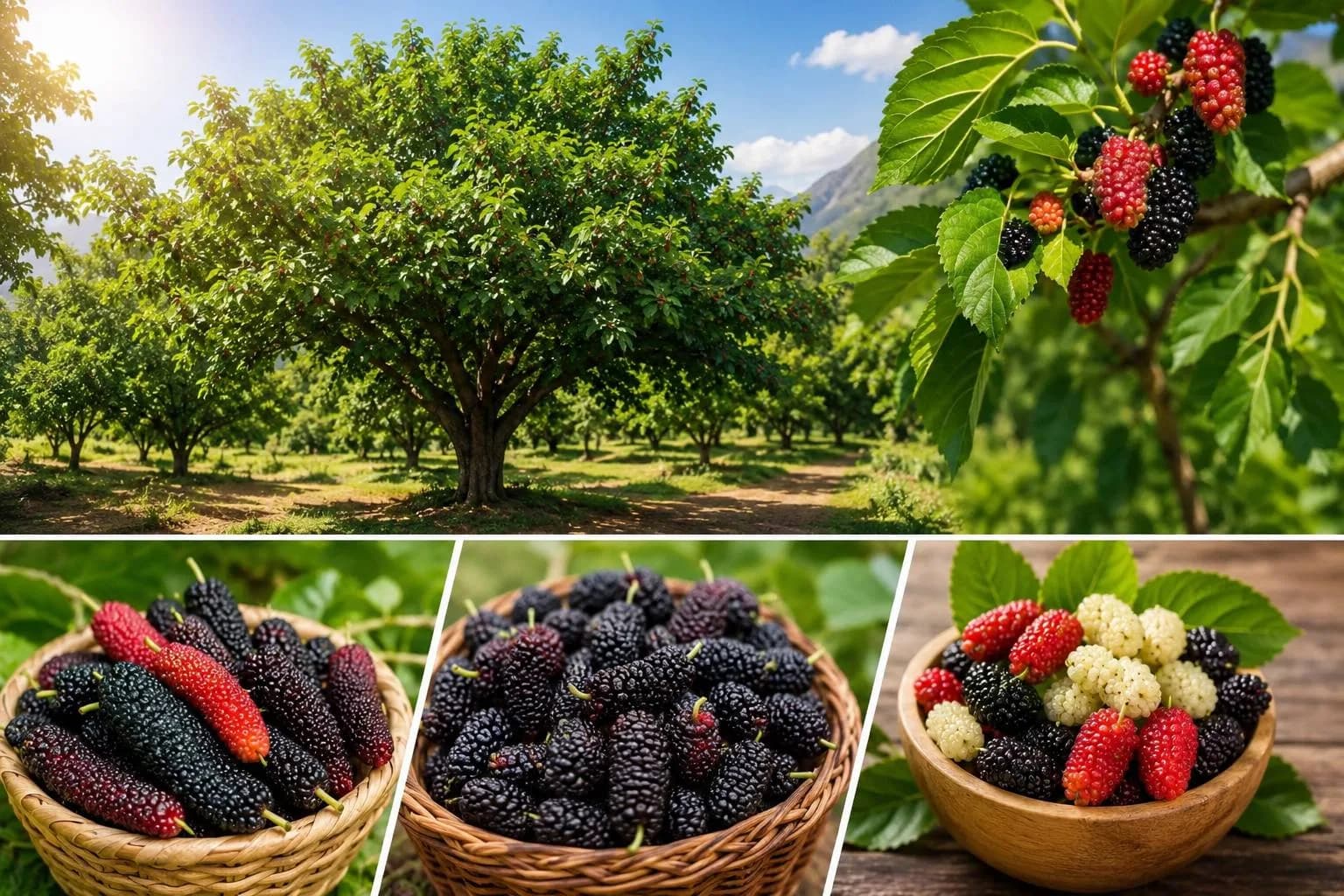
Growing your own fruit tree at home has become increasingly popular in Pakistan, especially among people who want fresh, chemical-free fruits from their own gardens. The Black Mulberry (Shehtoot) Grafted Plant is one of those fruit trees that combines beauty, easy maintenance, and delicious harvests in a single package.
Known locally as Kala Shehtoot, this tree has been a part of Pakistani gardens for generations. However, many homeowners plant mulberry trees without knowing the difference between a seed-grown tree and a grafted variety. This small decision can greatly affect fruit quality, waiting time, and overall growth.
A grafted Shahtoot plant is usually preferred because it is developed from a mature fruiting variety, meaning gardeners can enjoy better-quality fruits in a shorter period. From experience, one common mistake people make is focusing only on the plant size when buying, while ignoring the graft quality and variety.
In areas like Islamabad, Lahore, Rawalpindi, and many parts of Punjab, Shehtoot performs well because it can handle warm summers and adapts to local conditions. Even in smaller home gardens, the tree can become a productive addition when planted in the right location.
Many gardeners also appreciate this tree because it is not only about fruit. Its green foliage provides shade, attracts birds, and adds natural beauty to outdoor spaces. Whether you have a backyard, farmhouse, or a large rooftop gardening setup, a well-maintained mulberry tree can become a long-term investment.
In this guide, we will discuss how to select, plant, and care for a Black Mulberry tree in Pakistan, along with practical tips that help avoid common growing mistakes.
What Makes Black Mulberry (Shehtoot) Grafted Plant Different From Regular Mulberry Trees?
Many people buy a mulberry plant expecting fruits within a short time, but later they realize that not every tree performs the same way. The main difference comes from how the plant is produced. A grafted Shehtoot plant is developed by joining a desired fruiting variety with a strong rootstock, which helps maintain the qualities of the original tree.
A seed-grown mulberry tree can be unpredictable. Even if the parent tree produces large and sweet berries, the new plant may not always produce the same fruit quality. This is because seeds carry mixed characteristics. In comparison, a grafted plant is selected from a proven fruit-producing variety.
For Pakistani home gardeners, this difference matters because space is often limited. People usually want a tree that gives better results without waiting many years. A healthy grafted Shahtoot plant can start producing fruit earlier and provides more confidence about the type of harvest you can expect.
Grafted Shehtoot vs Seed-Grown Mulberry
Feature | Grafted Shehtoot Plant | Seed-Grown Mulberry |
|---|---|---|
Fruit Production | Usually starts earlier | Takes more time |
Fruit Quality | More consistent size, taste, and color | Quality can vary |
Tree Growth | More controlled growth | Can become unpredictable |
Suitable For | Home gardens and small orchards | Large spaces and experimentation |
Variety Selection | Specific fruit variety available | Unknown results |
Why Pakistani Gardeners Prefer Grafted Varieties
In cities like Lahore, Islamabad, and Karachi, gardeners often have limited planting space. A tree that takes many years before producing useful fruit may not be practical for everyone. Grafted varieties solve this problem by offering earlier production and better control.
Another advantage is fruit consistency. If someone plants a Kala Shehtoot grafted tree because they enjoy dark, sweet berries, they are more likely to get similar fruit characteristics every season.
However, buying a grafted plant does not mean it can be ignored after planting. The quality of the nursery plant, planting method, watering routine, and pruning all influence the final results.
From experience, selecting a healthy grafted plant from a reliable source is just as important as choosing the right variety. A weak graft or stressed plant may struggle even if the variety itself is excellent.
Expert Tip Before Buying
Before purchasing a Shehtoot plant, check these points:
The graft point should look properly joined and healthy.
Leaves should appear fresh and free from major damage.
Avoid plants with weak stems or signs of disease.
Ask about the expected fruit variety instead of only asking about plant size.
A good-quality grafted mulberry plant can save years of waiting and give gardeners a much better chance of enjoying sweet Shahtoot fruits at home.
Popular Black Mulberry (Kala Shehtoot) Varieties Grown in Pakistan & Their Differences
Not all mulberry trees produce the same type of fruit. In Pakistan, people often use the word Shehtoot for different mulberry varieties, but their size, taste, color, and growing behavior can be quite different. Choosing the right variety before planting can make a noticeable difference, especially for home gardens where space and maintenance matter.
Among the commonly preferred varieties, dark-colored Shahtoot varieties are highly valued because of their rich sweetness and attractive appearance. Some produce short berries, while others are known for exceptionally long fruits that can become the highlight of a home orchard.
1. Kala Shehtoot (Black Mulberry)
Kala Shehtoot is one of the most loved varieties in Pakistan. It produces dark purple to almost black berries with a sweet and slightly tangy flavor.
This variety is popular because:
Fruits have a rich taste and deep color.
Trees adapt well to Pakistan’s warm climate.
Suitable for fresh eating and homemade products.
Works well in home gardens and small farms.
Many gardeners prefer Kala Shehtoot because the fruit is easy to harvest and the tree provides good shade once established.
2. Long Shahtoot (Morus macroura)
The long-fruited Shahtoot is considered a premium variety due to its unusually elongated berries. In suitable conditions, fruits can become several inches long, making it different from common mulberry types.
Its main characteristics include:
Very long and attractive fruits.
Sweet flavor when fully mature.
High demand among fruit collectors and home gardeners.
Performs especially well in suitable regions with proper sunlight.
This variety is often chosen by people who want something unique rather than a regular backyard fruit tree.
3. White Shahtoot
White Shahtoot is another interesting variety found in some regions. Unlike dark mulberries, it produces lighter-colored fruits that can range from white to pale shades.
Key features:
Mild and sweet flavor.
Attractive appearance.
Suitable for gardeners who want variety.
Requires similar basic care as other mulberry trees.
Comparison of Popular Shehtoot Varieties
Variety | Fruit Color | Taste | Best For |
|---|---|---|---|
Kala Shehtoot | Dark purple to black | Sweet with slight tang | Home gardens and fresh eating |
Long Shahtoot | Purple, elongated fruits | Very sweet | Premium gardens and collectors |
White Shahtoot | White to light color | Mild sweet taste | Variety planting |
Which Shehtoot Variety Should You Choose?
The best choice depends on your purpose. If your goal is regular fruit production for family use, Kala Shehtoot is a practical option because it combines good taste, adaptability, and easy maintenance.
For gardeners who want a unique-looking tree with impressive fruits, Long Shahtoot can be a better choice. However, remember that variety performance can change depending on soil, climate, and plant quality.
One common mistake people make is selecting a variety only because of attractive fruit pictures online. A healthy grafted plant from a reliable nursery is often more important than choosing a variety name alone.
Why Black Mulberry (Shehtoot) Is Ideal for Pakistan’s Climate & Regions
Pakistan has a wide range of climates, from the hot plains of Sindh and Punjab to the cooler areas of Islamabad and northern regions. Finding a fruit tree that can adjust to these different conditions is not always easy. This is one reason Shahtoot remains a popular choice among Pakistani gardeners.
The Black Mulberry (Shehtoot) Grafted Plant performs well because it can tolerate warm temperatures, seasonal changes, and periods of limited rainfall once it becomes established. Unlike some fruit trees that require highly specific conditions, mulberry trees are comparatively adaptable and can grow successfully in many parts of Pakistan.
However, adaptability does not mean every location will give the same results. A tree planted in an open sunny area with proper soil drainage will usually perform much better than one placed in a shaded or waterlogged location.
Regional Suitability of Shehtoot Tree in Pakistan
Different areas of Pakistan offer different growing conditions. Understanding your local environment helps you get better fruit production.
Region | Growing Potential | Important Considerations |
|---|---|---|
Punjab | Excellent | Regular watering during hot months improves fruit quality |
Sindh | Good | Extra attention needed during extreme summer heat |
Islamabad & Northern Areas | Excellent | Cooler winters support healthy growth |
KPK | Good | Suitable where sunlight and drainage are available |
Coastal Areas | Moderate to Good | Protection from salty winds may help |
Why Shehtoot Handles Pakistani Weather Well
One major advantage of mulberry trees is their strong root system. After proper establishment, the roots help the plant access moisture deeper in the soil, making it more resilient during dry periods.
In areas like Punjab, where summer temperatures can become extremely high, mature mulberry trees often continue growing when other plants struggle. However, young grafted plants need more attention during their first year because their root systems are still developing.
Ideal Growing Conditions for Better Results
For healthier growth and sweeter fruits, focus on these practical factors:
Plant in a location receiving direct sunlight for most of the day.
Avoid areas where rainwater remains collected for long periods.
Give extra water during flowering and fruit development.
Maintain enough space around the tree for branch growth.
Use organic compost to improve soil quality.
From experience, many home gardeners focus only on climate but ignore placement. A Shehtoot tree may survive in a poor location, but survival and good fruit production are two different things. The right planting position can significantly improve the size, sweetness, and quantity of fruits.
Best Locations for Home Plantation
Black Mulberry is suitable for:
Home gardens
Farmhouses
Small orchards
Large rooftop containers
Kitchen gardens with enough space
For Pakistani families looking for a low-maintenance fruit tree that provides both shade and seasonal fruits, Shehtoot remains one of the most practical choices.
How to Plant Black Mulberry (Shehtoot) Grafted Plant for Faster Growth
Planting a Shehtoot tree is not difficult, but the early steps decide how well the tree will perform in the coming years. Many gardeners make the mistake of simply digging a hole, placing the plant, and expecting fast growth. In reality, proper location selection, soil preparation, and early care have a direct impact on root development and future fruit production.
A grafted mulberry plant already has the advantage of coming from a selected fruiting variety, but it still needs the right environment to establish itself. A healthy start during the first year can help the tree develop stronger branches and prepare for better harvests.
Step 1: Select the Right Planting Location
Before planting, choose a location where the tree can grow freely. Mulberry trees develop a spreading canopy, so placing them too close to walls, buildings, or other large plants can create problems later.
The ideal location should have:
Direct sunlight for at least 6 to 8 hours daily.
Good air circulation around the branches.
Enough open space for future growth.
Soil that does not remain waterlogged after rain.
In many Pakistani homes, people plant fruit trees in corners to save space. While this may work initially, limited sunlight and restricted root growth can reduce fruit production as the tree matures.
Step 2: Prepare the Soil Properly
Shehtoot is adaptable, but it performs best in fertile, well-drained soil. Before planting, improve the planting area by mixing organic material into the soil.
A good planting mix can include:
Existing garden soil
Well-rotted compost
Organic manure
A small amount of balanced fertilizer if required
Avoid using fresh manure directly around young roots because it can damage the plant.
Step 3: Planting Process
Follow these steps for better establishment:
Dig a hole wider than the plant’s root ball.
Carefully remove the plant without disturbing the roots.
Place the grafted plant at the same depth it was growing in the nursery.
Fill the hole with prepared soil mixture.
Press the soil gently around the roots.
Water thoroughly after planting.
One important point is to avoid covering the graft union with soil. The graft area should remain above ground level to prevent future problems.
Step 4: Early Care After Plantation
The first few months are important because the plant is adapting to its new environment.
During this stage:
Water regularly, especially during hot weather.
Protect young plants from strong winds if necessary.
Remove weeds around the base.
Add mulch to maintain soil moisture.
Best Planting Time in Pakistan
The suitable planting periods are:
February to April during spring
August to October during autumn
These seasons allow the roots to establish before extreme weather conditions arrive.
From experience, gardeners who spend extra attention during the first year usually see much better growth later. A strong root system developed early often results in a healthier tree with improved fruit production.
Black Mulberry Tree Care Guide: Watering, Fertilizer, Pruning & Maintenance Tips
A Black Mulberry tree is considered a low-maintenance fruit tree, but proper care can make a major difference in fruit quality and overall growth. Many people believe that mulberry trees can grow anywhere without attention, but this is only partially true. A neglected tree may survive, but it may not produce the large, sweet fruits that gardeners expect.
The main focus should be on supporting the plant during its early years and maintaining healthy growth after it becomes established. Small improvements in watering, feeding, and pruning routines can help develop a stronger tree with better fruit production.
Watering Requirements for Shehtoot Tree
Watering needs change according to the tree’s age and the season. Young grafted plants require more consistent moisture because their roots are still developing.
A practical watering routine:
First year: Water regularly, especially during hot summer months.
Established trees: Water deeply but less frequently.
Flowering and fruiting period: Maintain proper moisture to support fruit development.
One common mistake people make is overwatering because they think more water means faster growth. In reality, constantly wet soil can weaken roots and create problems. The soil should remain slightly moist but should not stay muddy.
For areas like Karachi, where summers are hotter and rainfall is limited, additional watering may be required compared to cooler regions.
Fertilizer and Soil Nutrition
A healthy tree depends on balanced nutrition. Mulberry trees are not heavy feeders, but they respond well when the soil contains enough organic matter.
Recommended options include:
Well-rotted compost
Organic manure
Balanced fruit tree fertilizer
Natural soil conditioners
Applying compost around the tree base helps improve soil structure and supports gradual nutrient release.
A simple schedule for home gardens:
Add organic compost every few months.
Apply fertilizer according to tree growth and soil condition.
Avoid excessive nitrogen because it may encourage leaves instead of fruits.
From experience, many gardeners focus only on fertilizer while ignoring soil health. Good soil with organic matter often provides better long-term results than simply adding more chemical fertilizer.
Pruning Tips for Better Fruit Production
Pruning is one of the most overlooked parts of mulberry care. A properly pruned tree is easier to manage and usually produces healthier branches.
Benefits of pruning:
Controls tree size.
Improves sunlight exposure.
Encourages new fruiting branches.
Removes weak or damaged growth.
The best time for major pruning is usually during the dormant winter period when the tree is not actively growing.
When pruning:
Remove dead or diseased branches.
Keep the center of the tree open for airflow.
Avoid excessive cutting of healthy branches.
Seasonal Maintenance Checklist
Season | Recommended Care |
|---|---|
Spring | Support new growth, maintain watering, monitor flowering |
Summer | Increase watering during heat, protect young plants |
Autumn | Add compost, prepare tree for cooler months |
Winter | Perform pruning and remove unwanted branches |
Pros and Cons of Growing Black Mulberry Tree
Pros | Cons |
|---|---|
Produces delicious and nutritious fruits | Fruits can create stains when dropped |
Suitable for many Pakistani regions | Requires space because branches spread |
Low maintenance after establishment | Birds may also be attracted to ripe fruits |
Provides shade along with fruit | Regular pruning is needed for small gardens |
Grafted plants produce earlier harvests | Quality depends on plant source and care |
A Black Mulberry tree rewards consistent but simple care. You do not need complicated gardening techniques, but paying attention to the basics during the first few years can make a noticeable difference in the tree’s performance.
When Does Black Mulberry (Shehtoot) Start Producing Fruit & How to Increase Yield?
One of the biggest reasons people choose a grafted Shehtoot plant is the shorter waiting period compared to growing a mulberry tree from seed. However, fruit production does not depend only on the age of the plant. The variety, planting location, sunlight, watering routine, and overall health of the tree all influence when and how much fruit it produces.
A healthy Black Mulberry (Shehtoot) Grafted Plant can often begin producing fruits within 1 to 2 years after planting when grown under suitable conditions. In some cases, the first harvest may be smaller because the tree is still establishing its root system. As the tree matures, fruit quantity and size generally improve.
Many new gardeners expect heavy fruiting immediately, but young trees need time to develop strong branches. A balanced approach during the early years usually creates better long-term results.
Typical Fruiting Timeline of Grafted Shehtoot
Tree Stage | Expected Development |
|---|---|
First 6 Months | Root establishment and new leaf growth |
1st Year | Stronger branches and plant adaptation |
1–2 Years | Initial fruit production may begin |
3+ Years | More consistent and improved harvests |
The exact timeline can vary depending on the plant quality and growing conditions.
Black Mulberry Harvest Season in Pakistan
In most parts of Pakistan, mulberry fruits are available during the warmer months.
Typical harvest period:
Starts around April
Continues into mid-summer
The exact timing can change according to region. For example, warmer areas may see earlier fruit development compared to cooler northern locations.
When fruits become fully ripe, they usually develop a deeper color and softer texture. Picking them at the right stage gives the best sweetness.
Practical Tips to Increase Mulberry Fruit Production
1. Provide Enough Sunlight
Sunlight directly affects flowering and fruit quality. A tree planted in a shaded corner may grow leaves but produce fewer fruits.
For better results:
Choose an open sunny location.
Avoid planting under large trees.
Keep surrounding plants from blocking light.
2. Maintain Balanced Watering
Water stress during flowering and fruit development can reduce fruit size. However, excessive water can also affect root health.
The goal is consistent moisture, especially during important growth stages.
3. Prune at the Right Time
Regular pruning encourages new fruit-bearing branches and keeps the tree manageable.
Remove:
Weak branches
Dead growth
Overcrowded areas
A well-shaped tree receives better sunlight throughout the canopy.
4. Support Soil Health
Instead of depending only on fertilizers, improve the soil naturally.
Useful practices:
Add compost regularly.
Maintain organic matter around the root zone.
Avoid damaging roots while digging near the tree.
A Common Mistake That Reduces Fruit Yield
Many homeowners plant Shehtoot trees near walls, driveways, or crowded areas because the young plant looks small. After a few years, the tree becomes restricted and receives less sunlight.
From experience, planning the final size of the tree before planting saves a lot of trouble later. Giving the tree enough space from the beginning often results in healthier growth and easier maintenance.
A productive mulberry tree is not created by one single action. It comes from choosing a good grafted plant, providing suitable conditions, and maintaining simple care habits consistently.
Black Mulberry (Shehtoot) vs Other Fruit Plants for Pakistani Gardens
Choosing a fruit tree for a home garden is not only about taste. Space, maintenance, waiting time, climate adaptability, and yearly care all matter. Many homeowners in Pakistan compare Shehtoot with other popular fruit plants before making a decision.
Compared to some fruit trees that require specific weather conditions or more intensive care, mulberry is considered a practical option for beginners. Its ability to adjust to different regions makes it suitable for many Pakistani gardens.
However, every fruit tree has its own advantages. The right choice depends on your available space and what you expect from the plant.
Fruit Tree Comparison for Home Gardens in Pakistan
Feature | Black Mulberry (Shehtoot) | Mango Tree | Guava Tree | Citrus Tree |
|---|---|---|---|---|
Climate Adaptability | Suitable for many Pakistani regions | Prefers warmer areas | Adapts well in many areas | Needs balanced climate |
First Fruit Time | Around 1–2 years (grafted) | Several years | Around 2–3 years | Around 2–4 years |
Maintenance Level | Low to moderate | Moderate | Moderate | Higher care requirements |
Space Required | Medium | Large | Medium | Medium |
Home Garden Suitability | Excellent | Depends on space | Good | Good |
From a practical gardening perspective, Shehtoot is often a better choice for people who want earlier fruit production without waiting many years for a mature tree. It also works well for homeowners who want a tree that provides both shade and seasonal fruit.
Customer Experience: Why Gardeners Choose Kala Shehtoot
Many home gardeners in Pakistan choose Black Mulberry because it offers a simple gardening experience. They do not need advanced farming knowledge to maintain the tree, which makes it suitable for families starting their first fruit garden.
A common experience among gardeners is that children enjoy harvesting fresh berries directly from the tree during summer. This is one reason Shehtoot remains popular in residential gardens despite many new fruit varieties entering the market.
Gardeners also appreciate that the tree can continue growing with basic care. Once established, it does not require constant attention like some sensitive fruit plants.
However, there are a few practical things to consider:
Ripe fruits can fall and create stains on nearby surfaces.
The tree needs enough space for branch growth.
Regular pruning helps maintain a manageable shape.
Planning the planting location properly can solve most of these issues.
Buying Guide: How to Choose a Healthy Black Mulberry Grafted Plant
Buying the right plant is the first step toward successful fruit production. Many people focus only on the height of the plant, but a smaller healthy grafted plant can perform better than a larger stressed one.
Before purchasing, check:
A healthy and properly joined graft point.
Fresh green leaves without major damage.
Strong stem structure.
Clear information about the fruit variety.
Healthy root development.
A reliable nursery should be able to explain whether the plant is Kala Shehtoot, Long Shahtoot, or another variety.
Grow Your Own Kala Shehtoot Tree with Pehle Pakistan
A Black Mulberry (Shehtoot) Grafted Plant is a valuable choice for anyone looking to add a productive fruit tree to their garden. With the right planting location and basic care, it can provide sweet seasonal fruits, natural shade, and long-term value for your home.
At Pehle Pakistan, we focus on providing healthy plants that help gardeners grow successfully. Choose a quality Shehtoot plant today and enjoy the experience of growing fresh fruits in your own space.
Frequently Asked Questions (FAQs)
1. How long does a Black Mulberry (Shehtoot) grafted plant take to produce fruit?
A grafted Black Mulberry plant can usually start producing fruit within 1 to 2 years after planting, depending on plant quality, climate, sunlight, and care. The first harvest may be smaller, but production generally improves as the tree becomes more established.
2. Is Black Mulberry suitable for growing in Pakistan?
Yes, Black Mulberry is well-suited for many regions of Pakistan, including Punjab, Sindh, Islamabad, and KPK. The tree adapts well to warm weather and can handle dry conditions once it develops a strong root system.
3. What is the best time to plant Shehtoot in Pakistan?
The best planting periods are usually spring (February to April) and autumn (August to October). These seasons allow the plant to establish roots before facing extreme summer heat or winter conditions.
4. Can Black Mulberry be grown in pots or containers?
Yes, Shehtoot can be grown in large containers, especially in homes with limited space. A large pot, proper drainage, regular pruning, and sufficient sunlight are necessary to keep the tree healthy and productive.
5. How tall does a Black Mulberry tree grow?
A mature Black Mulberry tree can grow around 15 to 25 feet in open areas. In home gardens, regular pruning can help maintain a smaller size while encouraging better fruit production.
6. Does one Black Mulberry tree need another tree for fruit production?
No, a single healthy mulberry tree can produce fruits on its own. It is considered self-fertile, which makes it a convenient choice for homeowners who only want to plant one fruit tree.
7. How can I increase fruit production from my Shehtoot tree?
Better fruit production depends on several factors, including:
Planting in full sunlight
Maintaining proper watering during fruiting season
Applying organic compost regularly
Pruning unwanted branches
Choosing a healthy grafted plant
Consistent care is usually more effective than using excessive fertilizers.
Topics in this story
Article Details
Category: Pakistan
Published:
Updated:
Author: Fiza
More Stories