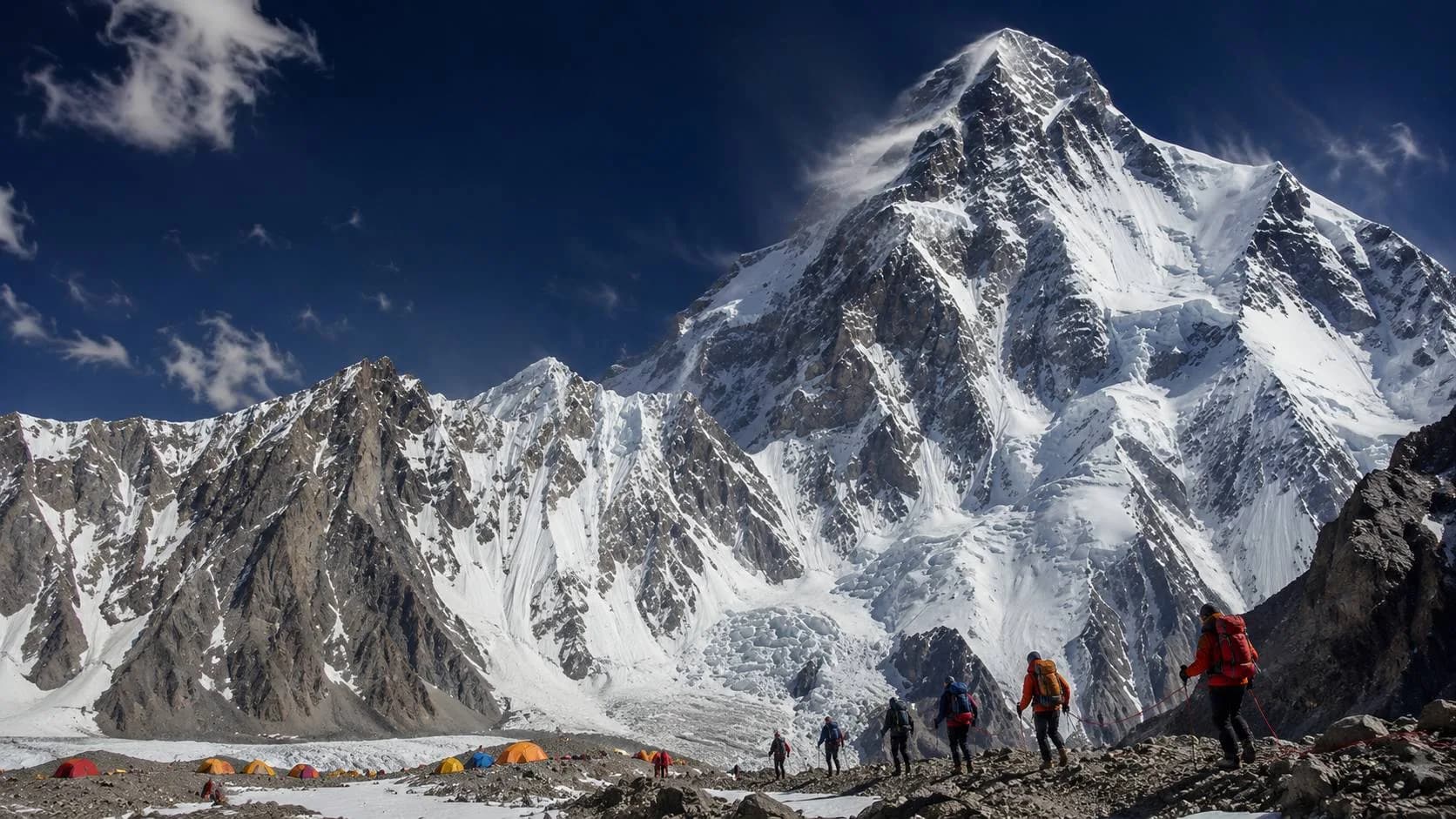
Pakistan is home to some of the most impressive mountain landscapes in the world, where the Karakoram, Himalayas, and Hindu Kush ranges create endless opportunities for adventure. The Top Five Trekking Peaks in Pakistan are not only famous for their breathtaking views but also for the unique experiences they offer, from remote valleys and glaciers to interactions with local mountain communities.
Unlike regular sightseeing trips, trekking in Pakistan requires preparation, patience, and a willingness to adapt. Weather can change quickly, trails can be demanding, and altitude becomes a serious factor as you move higher. But for many travelers, these challenges are exactly what make the journey memorable.
From the legendary peaks of Gilgit-Baltistan to the lesser-explored trails of northern Pakistan, each trekking destination has its own personality. Some routes are suitable for first-time high-altitude trekkers, while others require previous mountain experience and better physical preparation.
One common mistake people make is choosing a trek only because of beautiful pictures online. A peak that looks easy in photos may involve long walking days, unpredictable weather, and demanding terrain. The right choice depends on your fitness level, previous trekking experience, available time, and comfort with high-altitude conditions.
In this guide, we will explore five remarkable trekking peaks in Pakistan, including their difficulty levels, unique features, ideal seasons, and practical tips to help you choose the right adventure.
Why Pakistan’s Trekking Peaks Are Gaining Global Attention
Pakistan’s northern mountains have attracted adventure lovers from around the world because they offer something different from crowded international trekking destinations.
Key reasons trekkers choose Pakistan include:
Dramatic mountain scenery with some of the world’s highest peaks.
Less crowded trails compared to many popular trekking regions.
Rich local culture and traditional mountain villages.
A wide range of trekking options for different experience levels.
For international travelers, especially those who have already explored destinations like Nepal or the Alps, Pakistan offers a more remote and authentic mountain experience. Many trekkers describe the journey as less commercial and more connected to nature.
The biggest attraction is not only reaching a viewpoint or completing a trail. It is the complete experience: walking through valleys, meeting local communities, camping under clear skies, and witnessing landscapes that remain untouched.
Spantik Peak & Rush Peak: Pakistan’s Most Popular Trekking Experiences
Pakistan’s trekking landscape offers options for different types of adventurers. Some trekkers look for a serious high-altitude challenge, while others want to experience the mountains without committing to extremely technical climbs. Spantik Peak and Rush Peak represent two different sides of Pakistan’s trekking culture.
Both peaks are located in Gilgit-Baltistan, but the experience they offer is quite different. Spantik attracts experienced trekkers who want a demanding mountain adventure, while Rush Peak is often considered a better introduction for those stepping into high-altitude trekking.
Spantik Peak (Golden Peak): A Challenge for Experienced Trekkers
Spantik Peak, also known as Golden Peak, is one of Pakistan’s most admired trekking peaks. Located in the Karakoram Range, it is famous for its beautiful golden-colored appearance during sunrise and sunset.
The journey to Spantik is not only about reaching the summit. The route takes trekkers through remote valleys, glaciers, and some of the most dramatic mountain scenery in Gilgit-Baltistan.
Why Trekkers Choose Spantik Peak
Spantik is popular because it offers:
A true high-altitude mountain experience.
Stunning views of the Karakoram landscape.
Less crowded trails compared to many famous trekking destinations.
A rewarding challenge for experienced adventure lovers.
However, it is important to understand that Spantik is not a casual hiking trip. Long walking days, altitude changes, and weather conditions require proper preparation.
From experience, many first-time trekkers underestimate the impact of altitude. Physical fitness helps, but understanding your body’s response to higher elevations is equally important.
Rush Peak: A Better Starting Point for High-Altitude Trekking
Rush Peak, located near Nagar Valley, is one of Pakistan’s most accessible high-altitude trekking experiences. It is especially popular among trekkers who want incredible mountain views without choosing an extremely technical route.
One of the biggest highlights of the Rush Peak trek is the opportunity to see some of the world’s most famous mountains from a single viewpoint, including spectacular views of the Karakoram Range.
Why Rush Peak Stands Out
Rush Peak offers:
A challenging but manageable trekking experience.
Beautiful views of Rush Lake and surrounding peaks.
A good option for beginners with proper preparation.
A combination of adventure and cultural exploration.
Many travelers compare Rush Peak with beginner-friendly trekking routes in countries like Nepal. However, Pakistan’s trails often feel more remote and less commercial, which appeals to people looking for a quieter mountain experience.
Spantik Peak vs Rush Peak Comparison
Feature | Spantik Peak | Rush Peak |
|---|---|---|
Experience Level | Experienced trekkers | Beginner to intermediate |
Location | Karakoram Range | Nagar Valley |
Difficulty | Challenging | Moderate |
Main Attraction | High-altitude adventure | Panoramic mountain views |
Best For | Serious mountain lovers | First high-altitude trek |
Choosing between these two depends on your goal. If you want a demanding expedition-style experience, Spantik can be a rewarding choice. If you are building confidence in high-altitude trekking, Rush Peak offers a more approachable starting point.
Musa Ka Musalla: A Hidden Trekking Gem of Pakistan
While destinations like K2 and Spantik receive international attention, Pakistan is also home to several lesser-known mountain trails that offer equally memorable experiences. Musa Ka Musalla is one such hidden gem, located in the Kaghan Valley region of Khyber Pakhtunkhwa. It is a perfect example of a trek where the journey itself becomes the highlight.
Unlike some famous trekking routes that are focused mainly on reaching a viewpoint, Musa Ka Musalla offers a complete mountain experience. Trekkers pass through green meadows, forests, traditional villages, and open landscapes that represent the natural beauty of northern Pakistan.
The name Musa Ka Musalla is often associated with a mountain peak that resembles a prayer mat spread across the landscape. This unique shape, combined with the surrounding scenery, makes it a fascinating destination for adventure lovers.
Why Musa Ka Musalla Is Different From Popular Trekking Routes
One of the biggest attractions of Musa Ka Musalla is that it remains less crowded compared to famous destinations in Gilgit-Baltistan. For travelers who prefer peaceful trails and a closer connection with nature, this trek offers a more authentic experience.
Key highlights include:
Beautiful green valleys and alpine meadows.
Less commercialized trekking routes.
Traditional mountain communities along the way.
Wide views of surrounding Himalayan landscapes.
Many local trekkers choose Musa Ka Musalla because it provides a challenging adventure without the heavy crowds found on some popular routes.
From experience, one common mistake people make is assuming that less-famous treks are always easier. Musa Ka Musalla may not have the same global recognition as K2 region routes, but it still requires good stamina, proper footwear, and preparation for changing mountain conditions.
Difficulty Level and Best Time to Visit
Musa Ka Musalla is generally considered a moderate-level trek. It is suitable for people who have basic trekking experience and are comfortable with long walking days.
Before planning the trek, consider:
Physical fitness level.
Weather conditions.
Availability of local guides.
Proper trekking equipment.
The best season is usually during the warmer months when trails are more accessible and the landscapes are at their most beautiful.
Who Should Choose Musa Ka Musalla Trek?
This trek is ideal for:
Local adventure seekers looking for a less crowded route.
Beginners who want to move beyond simple hiking trails.
Nature lovers interested in forests, valleys, and mountain scenery.
Travelers who prefer cultural experiences along with trekking.
Musa Ka Musalla may not be the most famous trekking peak in Pakistan, but that is exactly what makes it special. It offers a quieter, more personal mountain experience where the focus is not only on reaching the destination but also enjoying every part of the journey.
K2 Region Trek & Gondogoro La: High Altitude Adventures of Pakistan
For many adventure travelers, the K2 region represents the ultimate mountain experience in Pakistan. Located in Gilgit-Baltistan’s Karakoram Range, this area is home to some of the world’s highest peaks and offers a trekking environment unlike anywhere else.
Many people confuse K2 trekking with climbing K2, but these are completely different experiences. Climbing K2 requires advanced mountaineering skills, while trekking in the K2 region allows adventurers to experience the incredible landscape without attempting the summit.
The journey through this region is not only about mountains. It is about walking across ancient glaciers, camping in remote valleys, and witnessing some of the most dramatic landscapes on Earth.
K2 Base Camp Trek: A Legendary Mountain Journey
The K2 Base Camp trek is considered one of the most spectacular trekking routes in the world. The famous route passes through the Baltoro Glacier and leads toward Concordia, often called the “Throne Room of the Mountain Gods” because of the incredible concentration of towering peaks surrounding the area.
Major highlights include:
Views of K2 and other legendary peaks.
Walking across the massive Baltoro Glacier.
Exploring Concordia’s breathtaking mountain scenery.
Experiencing one of the world’s most remote trekking environments.
However, this trek demands preparation. The distance, altitude, and changing weather conditions make it suitable for physically prepared trekkers.
From experience, many travelers focus only on the destination but underestimate the daily walking routine. Long trekking days with limited facilities require both mental and physical preparation.
Gondogoro La Trek: For Trekkers Seeking a Bigger Challenge
Gondogoro La is one of Pakistan’s most thrilling high-altitude trekking experiences. This route combines the beauty of the K2 region with the excitement of crossing a challenging mountain pass.
The trek is famous for:
High-altitude landscapes.
Glacier crossings.
Close views of iconic Karakoram peaks.
A more adventurous route compared to standard trekking paths.
The Gondogoro La crossing requires careful planning because weather conditions can change quickly at higher elevations. Proper equipment and experienced guides are extremely important.
K2 Region Trek vs Gondogoro La Comparison
Feature | K2 Base Camp Trek | Gondogoro La Trek |
|---|---|---|
Difficulty | Challenging | More demanding |
Best For | Experienced trekkers | Adventure-focused trekkers |
Main Attraction | K2 views and Concordia | High pass crossing and glaciers |
Physical Demand | High endurance required | Higher altitude challenge |
Preparation Level | Advanced planning needed | Expert guidance recommended |
Who Should Choose These Treks?
The K2 region and Gondogoro La are ideal for travelers who:
Have previous trekking experience.
Enjoy remote mountain environments.
Can handle long-distance hiking.
Want a once-in-a-lifetime adventure.
These routes are not the easiest trekking options in Pakistan, but they provide experiences that few places in the world can match. For serious mountain lovers, the combination of natural beauty, challenge, and isolation makes them unforgettable journeys.
Choosing the Right Trekking Peak in Pakistan: Comparison, Pros & Cons, and Real Traveler Insights
Pakistan offers trekking experiences for different types of adventurers. Some travelers want their first high-altitude challenge, while others are searching for a serious expedition-style journey. Choosing the right peak is not only about popularity. Your fitness level, previous experience, available time, and comfort with altitude should guide your decision.
A common mistake many new trekkers make is selecting a route because it looks impressive on social media. A beautiful mountain picture does not show the long walking hours, weather changes, or physical effort required behind that view.
The right trek is the one that matches your preparation and expectations.
Comparison of Top Trekking Peaks in Pakistan
Trekking Peak | Difficulty Level | Best For | Main Attraction | Recommended Experience |
|---|---|---|---|---|
Spantik Peak | Challenging | Experienced trekkers | High-altitude Karakoram adventure | Previous trekking experience |
Rush Peak | Moderate | Beginners & intermediate trekkers | Rush Lake and panoramic views | Basic trekking fitness |
Musa Ka Musalla | Moderate | Nature lovers and local trekkers | Green valleys and peaceful trails | Beginner to intermediate |
K2 Region Trek | Challenging | Serious adventure seekers | Baltoro Glacier and Concordia | Strong physical preparation |
Gondogoro La | Difficult | Advanced trekkers | High pass and glacier experience | Previous high-altitude trekking |
Pros and Cons of Trekking in Pakistan
Pros
Diverse mountain landscapes from valleys to glaciers.
Less crowded trails compared to many international trekking destinations.
Opportunities to experience local cultures and mountain communities.
Options available for different fitness levels.
Unique views of some of the world’s highest peaks.
Cons
Weather conditions can change quickly.
Some remote routes have limited facilities.
High-altitude trekking requires proper preparation.
Travel time to mountain regions can be lengthy.
Professional guidance may be necessary for challenging routes.
Understanding these factors helps travelers prepare realistically instead of relying only on expectations.
Pakistan Trekking vs Other Popular Destinations
Many international trekkers compare Pakistan with destinations like Nepal and the Himalayas. Each destination has its own strengths.
Factor | Pakistan | Nepal | European Alps |
|---|---|---|---|
Crowd Level | Generally less crowded | More commercial routes | Usually busy during peak season |
Mountain Experience | Remote and wild | Well-developed trekking infrastructure | Organized and accessible |
Cost Level | Often more affordable | Moderate | Usually expensive |
Cultural Experience | Strong local interaction | Rich mountain culture | Different alpine lifestyle |
For travelers who want a quieter and less commercial mountain experience, Pakistan offers something unique. However, Nepal and the Alps may be more suitable for people who prefer highly developed trekking systems.
Real Traveler Experience: What Trekkers Appreciate Most
Many adventure travelers highlight that Pakistan’s trekking experience goes beyond the mountains. The hospitality of local communities, remote landscapes, and feeling of exploration are often mentioned as the most memorable parts.
A traveler who has already explored famous routes abroad may find Pakistan refreshing because many areas still feel untouched. Instead of walking through heavily commercialized trails, trekkers often experience a stronger connection with nature.
From experience, the biggest factor behind a successful trek is not only choosing a famous peak. It is choosing a route that matches your ability and preparing properly before departure.
Planning Your Trekking Adventure in Pakistan: Essential Tips Before You Start
A successful trekking experience in Pakistan depends on preparation more than just choosing a beautiful destination. The mountains can be unpredictable, and even experienced travelers understand that proper planning makes the journey safer and more enjoyable.
Whether you are planning a moderate trek like Rush Peak or preparing for a demanding route in the K2 region, understanding your own limits is important. A well-planned trek allows you to enjoy the landscapes instead of spending the entire journey managing avoidable problems.
One common mistake people make is buying expensive gear before understanding what they actually need. The right equipment depends on the season, altitude, trek duration, and difficulty level.
Essential Things to Prepare Before Trekking
Before heading toward Pakistan’s mountain trails, focus on these important areas:
Physical Preparation
High-altitude trekking requires more than normal walking ability. Prepare your body with:
Regular walking or hiking practice.
Cardio exercises for stamina.
Strength training for carrying a backpack.
Practice with trekking shoes before the trip.
Important Trekking Gear
Your equipment should match the route and weather conditions.
Basic essentials include:
Comfortable trekking boots.
Weather-resistant clothing.
Warm layers for higher altitudes.
Backpack with proper support.
Sleeping bag suitable for temperature conditions.
Water bottle and personal medical supplies.
Navigation tools and emergency equipment.
For challenging routes like Gondogoro La or K2 region treks, professional guidance and proper equipment become even more important.
Common Mistakes to Avoid During Mountain Treks
Even experienced travelers can make mistakes when they underestimate mountain conditions.
Avoid:
Starting a difficult trek without proper training.
Ignoring altitude symptoms.
Carrying unnecessary weight.
Depending only on weather forecasts from cities.
Choosing a route beyond your experience level.
Mountain trekking is not a race. Taking proper rest and allowing your body to adjust can make a significant difference.
Start Your Pakistan Mountain Adventure
Pakistan’s trekking peaks offer some of the most rewarding adventure experiences in the world. From the peaceful trails of Musa Ka Musalla to the legendary landscapes of the K2 region, every route offers something different.
The key is choosing a trek that matches your experience, preparing properly, and respecting the mountains. With the right planning, Pakistan’s northern landscapes can become a journey you remember for a lifetime.
Whether you are a beginner looking for your first mountain experience or an experienced trekker searching for a bigger challenge, exploring Pakistan’s peaks offers a unique combination of adventure, culture, and natural beauty.
Plan your trekking adventure today and discover the incredible mountain experiences waiting in Pakistan.
Frequently Asked Questions (FAQs)
1. What are the top five trekking peaks in Pakistan?
The most popular trekking peaks in Pakistan include Spantik Peak, Rush Peak, Musa Ka Musalla, K2 Region Trek, and Gondogoro La. Each destination offers a different experience, from beginner-friendly routes to challenging high-altitude adventures.
The best choice depends on your trekking experience, fitness level, and the type of mountain experience you want.
2. Which trekking peak in Pakistan is best for beginners?
Rush Peak is often considered a suitable option for beginners who want to experience high-altitude trekking. It provides incredible views of the Karakoram mountains without the extreme difficulty of some advanced routes.
However, beginners should still prepare physically because high-altitude environments require stamina and proper planning.
3. What is the best time for trekking in Pakistan?
The ideal trekking season in Pakistan is generally from May to September, depending on the location and altitude of the trek.
Higher-altitude routes like the K2 region and Gondogoro La are usually planned during summer months when weather conditions are more manageable.
4. Do I need previous climbing experience for trekking peaks in Pakistan?
It depends on the peak. Some trekking routes require only good physical fitness, while more challenging destinations may require previous high-altitude trekking experience.
For example, Rush Peak is more approachable for newer trekkers, while Spantik and Gondogoro La require better preparation and experience.
5. How much does trekking in Pakistan usually cost?
The cost depends on several factors, including:
Trek duration.
Location and transportation.
Guide services.
Equipment requirements.
Group size.
Shorter and easier treks usually cost less, while remote high-altitude routes require more resources because of logistics and support needs.
6. Is trekking in Pakistan safe for travelers?
Yes, trekking in Pakistan can be a safe and rewarding experience when properly planned. Choosing experienced guides, checking weather conditions, carrying suitable equipment, and following safety guidelines are important steps.
Remote mountain areas require respect for nature and preparation because conditions can change quickly.
7. What equipment is required for trekking in Pakistan?
Essential trekking equipment depends on the route, but common items include:
Quality trekking shoes.
Weather-appropriate clothing.
Backpack.
Sleeping bag.
Water bottle.
First-aid supplies.
Sun protection.
Navigation and emergency tools.
For high-altitude treks, specialized gear and professional support may be necessary.
Topics in this story
Article Details
Category: Pakistan
Published:
Updated:
Author: Fiza
More Stories