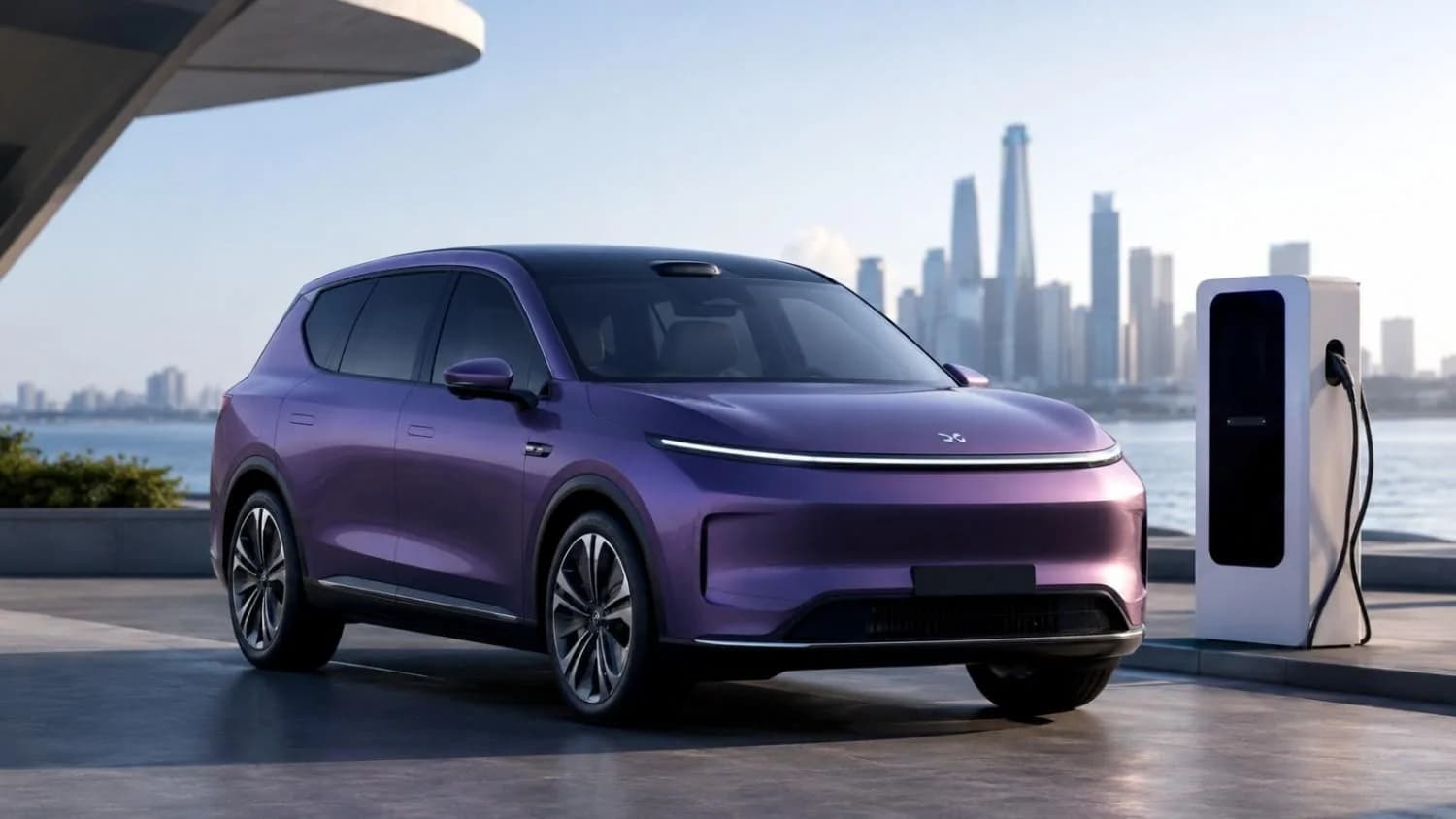
Canada Faces EV Pressure as Zeekr Expands and Nissan Shifts Strategy
What happens when low-cost electric vehicles start entering markets faster than regulators and legacy automakers can react? Canada is beginning to face that exact challenge as Chinese EV brand Zeekr accelerates its global expansion while Nissan recalibrates its electric vehicle strategy.
Canada’s EV market has grown steadily over the past few years, supported by government incentives and rising fuel costs. But the arrival of aggressive international competition is now creating pressure across pricing, manufacturing, and consumer expectations. In many cases, buyers simply want affordable technology that works without stretching family budgets.
Zeekr’s Rapid Expansion Changes the Conversation
Zeekr, the premium electric vehicle brand backed by Chinese auto giant Geely, has been expanding into multiple international markets at a pace that is catching traditional automakers off guard. The company is pushing advanced EV features, long battery range, and competitive pricing in regions where consumers are already sensitive to rising living costs.
From experience, one common mistake people make is assuming EV competition is only about battery technology. Pricing matters just as much. A family comparing monthly car payments often treats it like grocery shopping during inflation. If one option offers similar features for thousands less, the cheaper model naturally gains attention.
Canadian policymakers are now under pressure to balance domestic industry protection with consumer demand for affordable EVs. That challenge becomes even more complicated as Chinese manufacturers continue improving quality and production efficiency.
Why Canadian Automakers Are Concerned
Local industry observers worry that rapid imports of lower-cost EVs could weaken North American manufacturing competitiveness. Canadian supply chains are heavily linked with US production networks, and any sudden market disruption could affect jobs, investment planning, and future battery projects.
At the same time, consumers are becoming more price-conscious. High interest rates and household expenses have already slowed big-ticket purchases in several sectors.
| Factor | Impact on Canada EV Market |
|---|---|
| Lower-cost Chinese EVs | Increases pricing pressure on competitors |
| Battery production expansion | Boosts long-term industrial investment |
| Consumer affordability concerns | Delays premium EV purchases |
| Nissan strategy changes | Signals intensifying global competition |
Nissan Responds to Intensifying EV Competition
Nissan, once considered an early EV leader through the Leaf, is now adapting its strategy to compete in a far more crowded market. The company has been reviewing production plans, partnerships, and regional investments as competition grows stronger from both Chinese and American manufacturers.
Industry analysts believe Nissan’s reaction highlights a broader shift happening across the automotive sector. Legacy brands can no longer rely only on brand loyalty. Buyers now compare software, charging speed, warranty coverage, and overall ownership cost before making decisions.
In many cases, automakers are being forced to cut margins to remain relevant. That creates another layer of pressure for markets like Canada, where manufacturing costs remain higher than several Asian production hubs.
What This Means for Canadian Consumers
For Canadian drivers, stronger EV competition could eventually bring better prices and more technology choices. However, there are still concerns around charging infrastructure, resale values, and long-term maintenance support for newer brands entering the market.
Experts also warn that rapid shifts in the EV industry may create uncertainty for consumers who are waiting for prices to stabilize. Some buyers are delaying purchases in hopes of lower prices or improved battery technology over the next two years.
Closing Thought
The pressure building in Canada’s EV market reflects a larger global transformation in the auto industry. Zeekr’s expansion and Nissan’s strategic adjustments show how quickly competition is evolving. While challenges around manufacturing and affordability remain, consumers may ultimately benefit from wider choices, lower costs, and faster innovation in the years ahead.
Quick Facts
- Zeekr continues expanding into international EV markets
- Canadian consumers remain highly sensitive to EV pricing
- Nissan is adjusting strategy amid growing global competition
- Lower-cost EV imports may pressure North American automakers
Article Details
Category: Auto
Published:
Updated:
Author: Muhammad Anus
More Stories