CAP Pushes For Permanent 10PM Market Closing Across Pakistan
What happens when shops stay open deep into the night while electricity bills continue climbing? That question is once again at the center of Pakistan’s retail and energy debate.
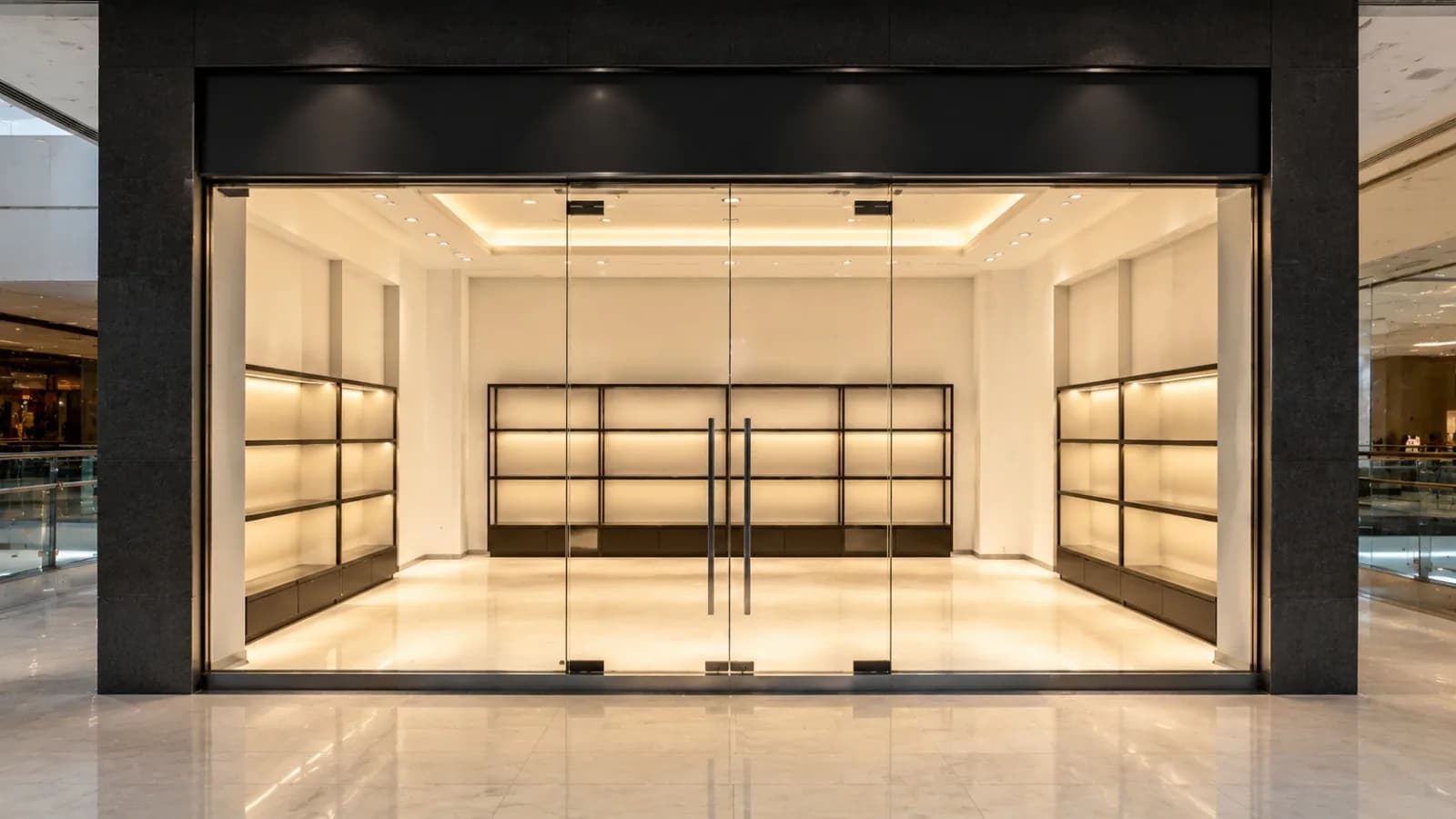
The Chainstore Association of Pakistan (CAP) has urged authorities to introduce a permanent nationwide 10PM store closing policy for commercial markets and retail outlets. The proposal comes as businesses face rising operational expenses and the country continues struggling with energy efficiency challenges.
Retail Sector Wants Predictable Business Timings
CAP believes a unified closing schedule can create better discipline in the retail sector while reducing unnecessary power consumption. In many cases, stores remain open late despite low customer activity after peak evening hours.
Retailers argue that fixed timings would help businesses plan staffing, electricity usage, and logistics more effectively. From experience, many store operators say unpredictable operating hours increase overtime costs without delivering meaningful sales growth.
According to industry stakeholders, shopping activity in major urban centers usually peaks between 5PM and 9PM. After that, foot traffic drops sharply in most commercial districts.
Why Businesses Are Supporting The Move
Store owners say rising utility costs are becoming difficult to absorb, especially for medium-sized businesses. Air conditioning, lighting systems, and security operations running until midnight can significantly increase monthly expenses.
For families already dealing with inflation, the effect eventually reaches consumers too. A retailer paying high electricity bills often passes those costs down through higher prices. It is similar to running a car engine while parked for hours. Fuel keeps burning even when movement slows down.
One common mistake people make is assuming longer business hours automatically mean stronger sales. Retail experts say productivity matters more than keeping lights on late into the night.
| Area | Expected Impact |
|---|---|
| Electricity Usage | Lower commercial power consumption during late hours |
| Retail Operations | More predictable staffing and inventory planning |
| Consumers | Potential reduction in indirect operational costs |
| Urban Traffic | Reduced congestion in late-night commercial zones |
Energy Conservation Remains A Major Concern
Pakistan has repeatedly explored energy-saving measures over the years, particularly during periods of fuel shortages and rising import costs. Commercial centers consume a significant portion of urban electricity during nighttime hours.
Supporters of the CAP proposal believe standardized closing times could help reduce pressure on the national grid, especially during summer months when demand spikes.
Some business owners, however, believe implementation should remain flexible for pharmacies, restaurants, and essential service providers operating in high-demand areas.
Small Traders Seek Balanced Enforcement
Market associations in several cities have previously expressed concerns about uneven enforcement. Traders often complain that some sectors follow regulations while others continue operating without restrictions.
Retail groups now want any future policy to be applied fairly across all provinces and commercial categories. Many believe consistency is the only way such a rule can work effectively.
Quick Facts
- CAP wants a permanent nationwide 10PM market closing policy
- Retailers say late-night operations increase electricity expenses
- Peak shopping activity mostly occurs before 10PM
- Proposal aims to improve energy efficiency and business discipline
Closing Thought
The debate over commercial operating hours is likely to continue as Pakistan balances economic activity with energy conservation. A permanent 10PM closing rule may not solve every retail challenge, but it has reopened an important discussion about smarter urban business practices and sustainable electricity use in the years ahead.
Article Details
Category: Business
Published:
Author: Muhammad Anus
More Stories