Quick Answer
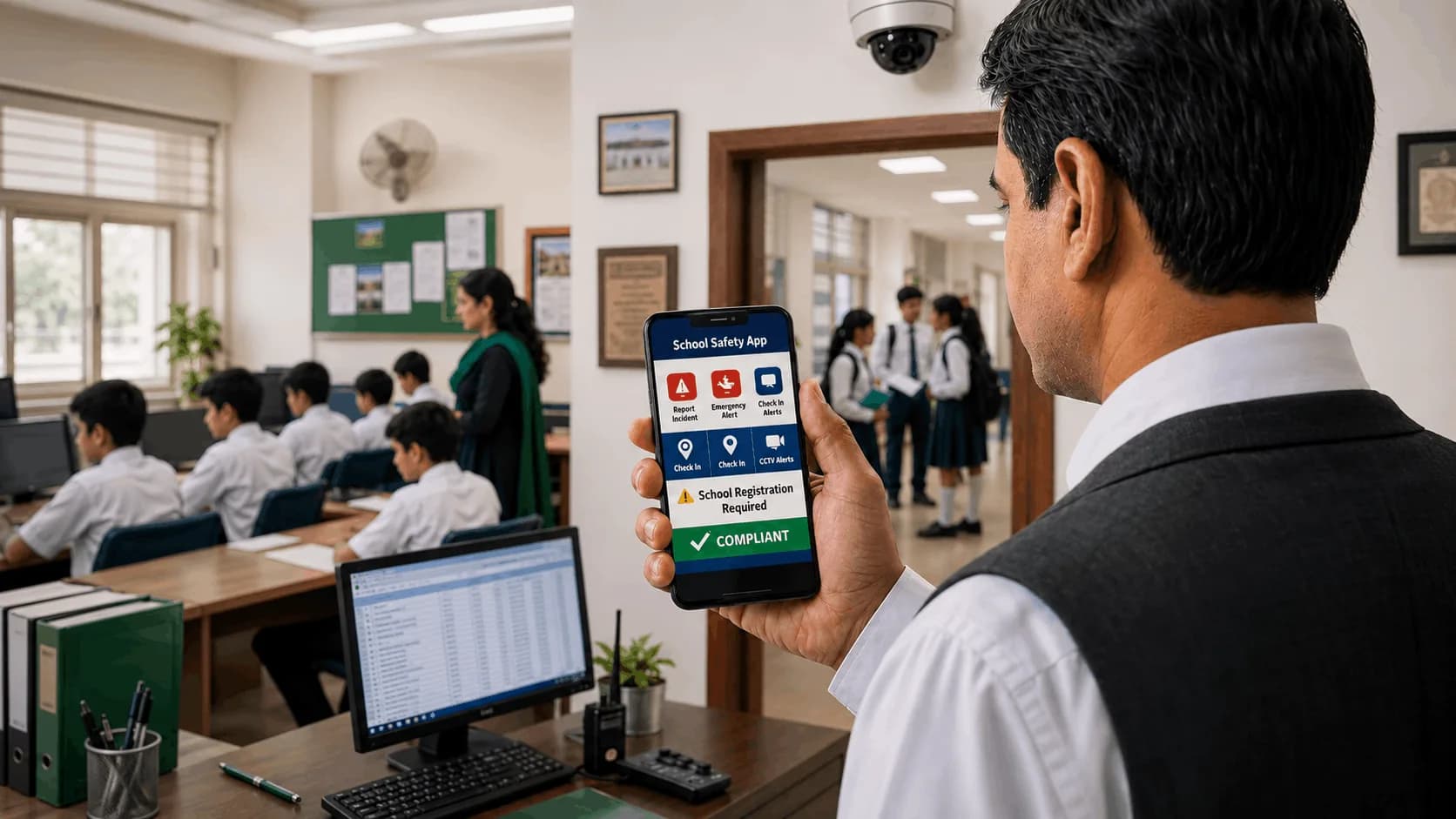
The Punjab School Education Department has directed all public and private schools to use the Educational Institutions Security Status (EISS) Mobile Application and Web Portal. Schools must sign in through their official credentials, provide correct information about their security arrangements and keep the record updated. The Punjab Information Technology Board developed the platform to support province-wide monitoring.
EISS Security System at a Glance
Information | Details |
|---|---|
Full Name | Educational Institutions Security Status |
Short Name | EISS |
Coverage | Public and private schools across Punjab |
Responsible Department | Punjab School Education Department |
Development Authority | Punjab Information Technology Board |
Initiated On Directions Of | Punjab Home Department |
Official Letter Date | August 23, 2026 |
Access Method | Official school login credentials |
Platforms | Mobile application and web portal |
Main Purpose | Central monitoring of school security information |
Punjab Issues EISS Instructions to Schools
The Directorate General of Monitoring and Evaluation issued the instructions through a letter dated August 23, 2026. It was addressed to the Chief Executive Officers of all District Education Authorities in Punjab.
The CEOs were asked to circulate the directions among heads of government and private schools and ensure proper implementation.
According to the department, the EISS application and web portal have been made operational for province-wide use. Schools must now submit their security information through the central platform.
What Is the EISS Security App?
EISS is a digital reporting and monitoring system for educational institutions. It has been created to maintain a central record of security arrangements at schools.
The platform includes:
A mobile application
A web portal
A central digital database
Access for authorised education officials
A system for submitting and reviewing security information
Instead of sending separate paper reports, school administrations will be able to enter the required details directly into the system.
Why Has Punjab Introduced EISS?
The Punjab Home Department called for the establishment of a central repository containing security information from educational institutions.
The system is intended to help authorities identify weaknesses, monitor required security measures and plan inspections using current records. It can also provide useful information while preparing policies related to school safety.
The decision follows several school-security measures introduced in Punjab during 2026. These included instructions concerning CCTV cameras, controlled entry points, boundary walls, emergency procedures and panic buttons. However, schools must complete only the fields officially displayed in EISS rather than relying on older notifications.
Which Schools Must Use the Platform?
The order applies to government and private schools across Punjab. It is not limited to selected districts or institutions placed in specific security categories.
Covered institutions include:
Government primary schools
Government elementary schools
Secondary and higher secondary schools
Registered private schools
Other institutions administered by the School Education Department
District authorities are responsible for sharing access instructions with schools under their control.
PITB’s Role in the EISS Project
The Punjab Information Technology Board was assigned to develop and operationalise the EISS Mobile Application and Web Portal.
PITB has previous experience in creating education-sector systems in Punjab. Its existing projects include the School Information System for public schools and the Private Education Provider Registration and Information System for private institutions.
According to PITB, its School Information System already supports real-time reporting and maintains records for millions of students. This experience provides the technical background for developing a province-wide school monitoring platform.
For EISS, PITB’s responsibilities include establishing the application, portal and central database through which authorised officials can review security information.
How Schools Can Access EISS
School heads must use their existing or designated official login credentials.
The expected process is:
Open the authorised EISS application or web portal.
Enter the school’s official username and password.
Open the security status or self-assessment section.
Complete all mandatory fields.
Review the information before submitting it.
Correct any incomplete or outdated entries.
update the record when security arrangements change.
The official letter available publicly does not provide a portal address, application-store link or password-recovery procedure. Schools should obtain these details directly from their District Education Authority rather than using links shared by unofficial sources.
Information Schools Must Provide
The department has instructed school administrations to enter information about security enablers and other mandatory parameters shown on the platform.
The exact list of EISS fields has not been made public. Schools should therefore follow the form available through their authorised accounts.
Punjab’s earlier security directions covered matters such as:
Boundary walls
Controlled entry and exit points
Security guards
CCTV cameras
Metal detectors
Visitor monitoring
Panic buttons
Emergency procedures
Mock security drills
These measures provide background to the province’s school-security policy, but they should not be presented as the confirmed EISS form unless they appear inside the official platform.
Schools Must Submit Accurate Information
School heads must check the actual security arrangements before completing the form. The submitted record must be complete, correct and current.
Inaccurate entries could prevent authorities from identifying genuine security gaps. They could also affect inspections and administrative decisions based on the central database.
Schools should review the record whenever cameras, guards, gates or other relevant arrangements are added, removed or changed.
Five-Tier Monitoring Mechanism
The official communication refers to a five-tier monitoring system created to assess compliance with school-security requirements.
Level I: Self-Assessment by Schools
Level I requires each institution to report its own security status through the EISS platform. The launch of the application and portal has made this stage operational.
School heads will be responsible for completing the assessment and ensuring that the submitted information reflects conditions on the campus.
Levels II to V
The publicly available instructions do not explain who will conduct the remaining four levels of monitoring.
These stages may include physical inspections and reviews by district or provincial officers, but their responsibilities should not be stated without the complete official framework.
Responsibilities of School Heads
Heads of institutions are required to:
Access EISS through authorised credentials
Complete every mandatory field
Verify the information before submission
Correct inaccurate records
Keep the security status updated
Cooperate with monitoring officers
Protect login details from unauthorised use
The responsibility for the quality of information rests with the institution submitting it.
Responsibilities of District Education Authorities
CEOs of District Education Authorities must ensure implementation within their districts.
Their responsibilities include:
Sharing the order with all school heads
Providing access instructions
Monitoring completion of the required data
Following up with institutions that have not complied
Reporting technical or administrative problems
Coordinating with the School Education Department
The Directorate General of Monitoring and Evaluation will supervise the broader implementation process.
How EISS May Improve School Security
The platform will provide one central view of security arrangements at schools across Punjab.
Authorised officials may use the information to:
Identify institutions with incomplete arrangements
Compare security compliance across districts
Plan inspections
Monitor corrective work
Prepare administrative reports
Support decisions about school-safety policies
The system’s value will depend on accurate reporting and physical verification. Digital records cannot replace guards, cameras, emergency planning or inspections inside schools.
EISS and the Public Safety App Are Different
EISS should not be confused with the Punjab Safe Cities Authority’s Public Safety App.
Platform | Main Purpose |
|---|---|
EISS | Recording and monitoring school security arrangements |
PSCA Public Safety App | Sending emergency alerts to public safety authorities |
Punjab previously directed schools to install panic buttons connected with the PSCA Public Safety App. that these buttons were intended to alert law-enforcement agencies during an emergency.
A school may be required to use both platforms, but they perform different functions.
Protecting Security Information
Because EISS stores details about educational institutions, access should remain limited to authorised staff.
Schools should:
Keep usernames and passwords confidential
Avoid sharing portal screenshots publicly
Check information before uploading it
Report suspicious access through official channels
Use only verified application and portal links
Avoid entering unnecessary personal information
The public instructions do not explain the platform’s data-retention policy, privacy safeguards or full access controls. These details should be confirmed by the responsible departments.
Has a Deadline Been Announced?
The August 23 letter directs schools to implement the system but does not mention a clear final date for completing the first submission.
Institutions should follow any schedule communicated by their district CEO or education office. They should not wait for an unofficial deadline circulating on social media.
Action for Non-Compliance
The department has asked district authorities to ensure implementation “in letter and spirit.” However, the available EISS communication does not mention a specific fine, suspension or closure order for non-compliance.
Schools with missing records may receive follow-up instructions or face further inspection. Any formal penalty should be reported only after it is announced through an official notification.
Important Instructions for Schools
Obtain login details through the District Education Authority.
Use only the official application or portal.
Check security arrangements before entering data.
Complete every mandatory field carefully.
Keep the submitted record current.
Do not share login credentials.
Contact the district office if the account does not work.
Follow any additional directions displayed on the platform.
Frequently Asked Questions
What does EISS stand for?
EISS stands for Educational Institutions Security Status. It is a digital platform for recording and monitoring security information from schools.
Which institutions must use EISS?
The directions cover government and private schools across Punjab.
Who developed the application?
The Punjab Information Technology Board developed and operationalised the mobile application and web portal.
How can a school sign in?
A school must use its existing or designated official credentials. Login assistance should be obtained from the relevant District Education Authority.
What information must schools submit?
Schools must complete the security fields and other mandatory parameters displayed in their authorised EISS accounts.
Is EISS an emergency alert application?
EISS is mainly a security reporting and monitoring system. Emergency alerts are handled through systems such as the PSCA Public Safety App.
What is Level I monitoring?
Level I is the school’s self-assessment of its security status through the EISS platform.
Has the department announced a submission deadline?
No clear deadline appears in the publicly available communication. Schools should follow the schedule issued by their district education office.
Topics in this story
Article Details
Category: News
Published:
Author: Rabia
More Stories