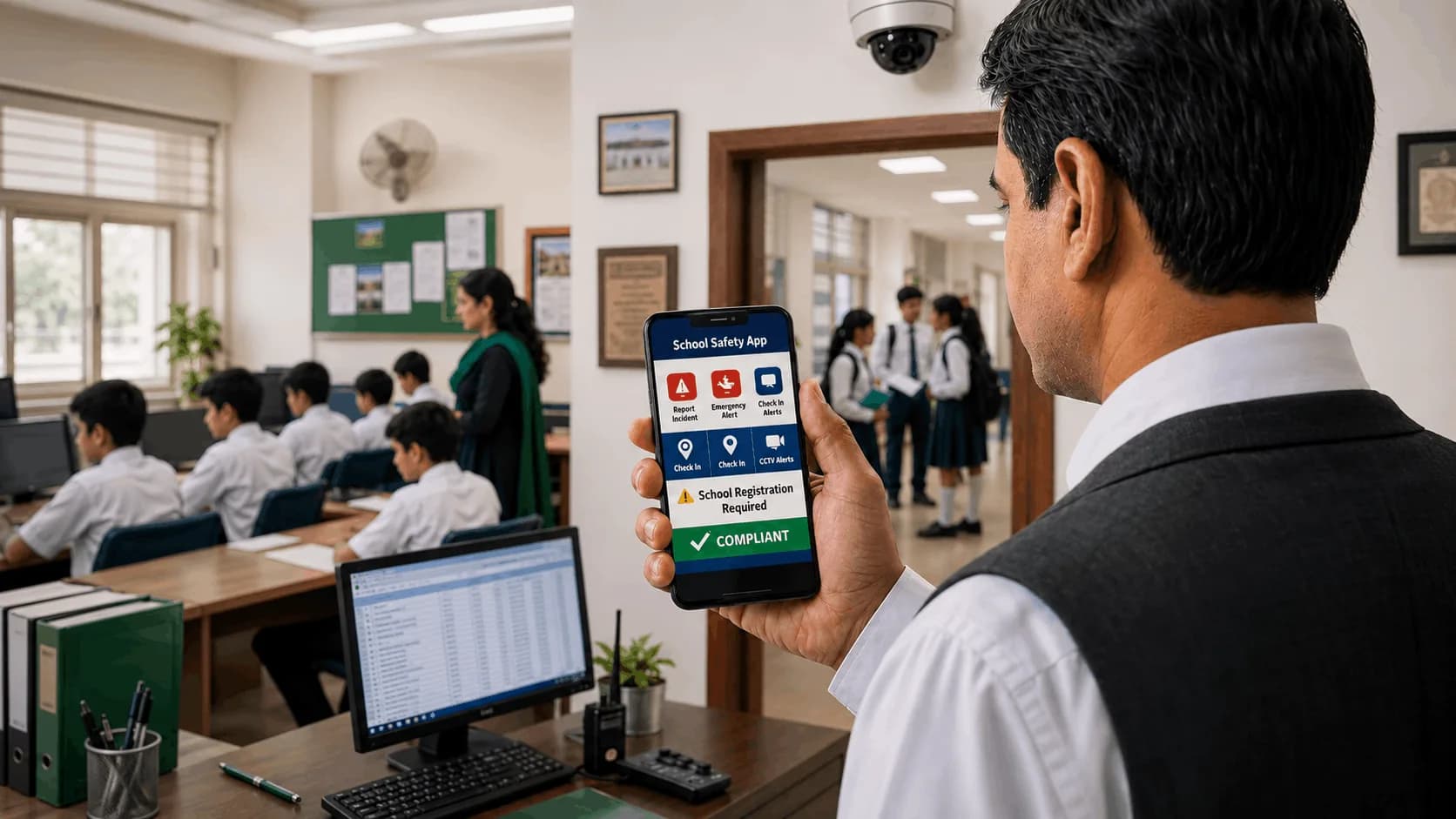
Ever received a fake message that looked almost real? That small alert on your phone shows how deeply cybersecurity now affects Pakistan’s telecom users, from mobile wallets to SIM registration.
Why Telecom Cybersecurity Matters More Now
Telecom networks are no longer used only for calls. They carry banking alerts, OTPs, online classes, business orders, mobile payments, and personal conversations. This makes the sector a major target for criminals.
Cybersecurity In Pakistan Telecom Sector has become more important as digital usage grows across cities and rural areas. PTA has also issued a Cyber Security Strategy for the Telecom Sector 2023-2028, built around legal framework, cyber resilience, incident response, capacity building, cooperation, and public awareness.
Major Cybersecurity Challenges
| Challenge | Risk For Users |
|---|---|
| SIM misuse | Illegal or poorly verified SIMs can be used for scams and anonymous fraud. |
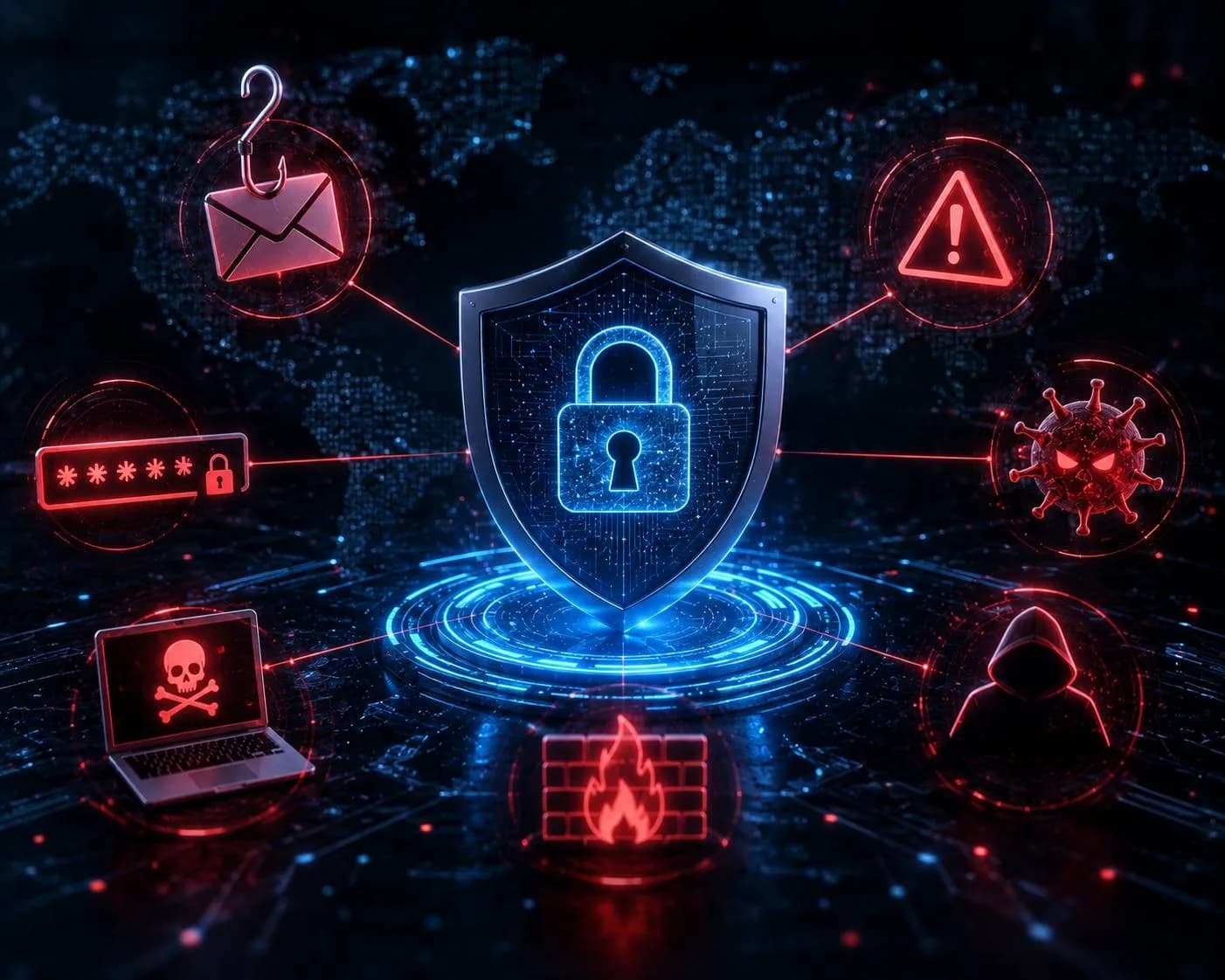
| Phishing links | Fake SMS and WhatsApp links can steal passwords, OTPs, and wallet access. |
| Data protection gaps | Weak controls can expose customer records and sensitive usage patterns. |
| Network attacks | Malicious traffic can disrupt services, systems, and business operations. |
The Human Side Of Telecom Cyber Risk
In many cases, the weakest point is not the network tower. It is the user receiving a convincing call or message. Scammers create urgency and ask for OTPs, PINs, CNIC details, or account verification.
From experience, one common mistake people make is trusting a message because it mentions their mobile operator, bank, or government service. Real organizations do not need your secret codes through a random call or link.
The Financial Burden On Families
A single telecom scam can disturb an entire household budget. If a mobile wallet is drained, a family may struggle with school fees, rent, groceries, or medicine. It is like locking the front door but handing the key to a stranger because he spoke confidently.
What Operators And Regulators Need To Do
Telecom companies need stronger monitoring, faster fraud detection, secure customer databases, staff training, and quick reporting channels. They also need to make complaint systems easier for ordinary users.
PTA’s telecom cyber strategy focuses on resilience, monitoring, incident response, cooperation, and awareness. These areas matter because cyber threats change quickly, and the sector cannot depend only on old security methods.
How Users Can Stay Safer
Users should never share OTPs, PINs, passwords, CNIC photos, or banking details through calls or messages. They should avoid unknown links, report suspicious numbers, and check active SIMs against their CNIC through official channels.
Cybersecurity In Pakistan Telecom Sector will improve only when companies, regulators, and users all play their part. Better systems are important, but public awareness is equally necessary.
Closing Thought
Pakistan’s telecom sector is entering a more complex digital phase where speed alone is not enough. Security, privacy, trust, and fast response will define service quality. A safer telecom environment can protect families, businesses, students, and the wider digital economy from avoidable harm.
Quick Facts Box
- PTA issued the Cyber Security Strategy for Pakistan’s Telecom Sector 2023-2028.
- The strategy focuses on resilience, incident response, cooperation, and awareness.
- Phishing, fake calls, SIM misuse, and data risks remain major user-level threats.
- Users should never share OTPs, PINs, passwords, or CNIC details on calls or links.
Article Details
Category: Telecom
Published:
Author: Pari Row
More Stories