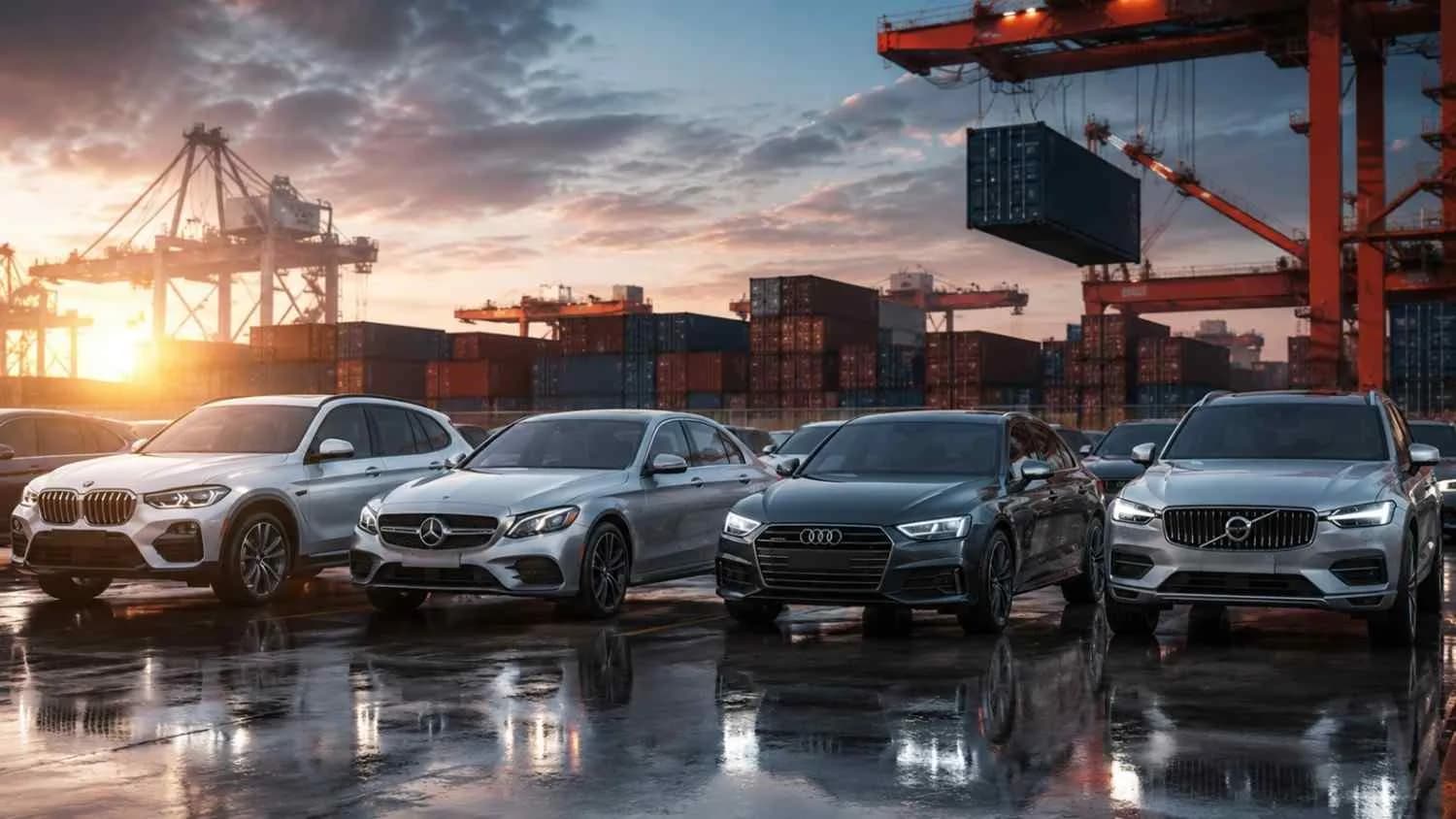
European Cars Built in China Are Changing the Global Auto Industry
Would you buy a European car if it was manufactured in China? That question is now driving heated discussions across the global auto industry as more well-known European brands shift production to Chinese factories.
From electric SUVs to compact luxury sedans, several vehicles carrying famous European badges are now rolling out of production plants in China before being shipped worldwide. For many buyers, the change raises concerns about quality, pricing, jobs, and long-term dependence on Chinese manufacturing.
Why European Brands Are Expanding Production in China
Car makers are under pressure from rising production costs, stricter emission rules, and the global shift toward electric vehicles. China offers lower manufacturing expenses, a mature EV supply chain, and faster access to battery technology.
In many cases, producing vehicles in China allows companies to reduce costs while staying competitive against fast-growing Chinese automakers. Several European firms already operate joint ventures there, making expansion easier than building entirely new facilities elsewhere.
From experience, auto companies often follow one simple rule: produce where the supply chain is strongest. Right now, China dominates battery manufacturing and EV component production.
Consumers Are Divided Over Quality Concerns
Not every buyer is comfortable with the shift. Some customers still associate European engineering with factories located in Germany, France, or Italy. Others believe modern production standards make factory location less important.
One common mistake people make is assuming all Chinese-made products are lower quality. In reality, many premium smartphones, electronics, and even luxury goods are already produced there under strict international standards.
Still, the emotional connection matters. For car enthusiasts, a European badge often represents heritage and craftsmanship. When manufacturing moves abroad, some buyers feel the brand identity weakens.
Trade Tensions Add More Pressure
The debate is no longer only about manufacturing. Governments in Europe and North America are closely watching Chinese vehicle exports and supply chain influence.
Some regulators fear that cheaper Chinese-made vehicles could hurt domestic industries. That has increased discussions around tariffs, import duties, and trade restrictions.
Families may also feel the impact indirectly. Higher tariffs could push vehicle prices upward, much like grocery bills climbing after fuel costs rise. A small increase may not seem huge at first, but over time it affects household budgets.
| Factor | Impact on Auto Industry |
|---|---|
| Lower Production Costs | Helps brands stay competitive globally |
| Chinese EV Supply Chain | Faster battery and component access |
| Trade Tariffs | Could increase vehicle prices |
| Consumer Perception | Mixed reactions about quality and heritage |
Electric Vehicles Are Driving the Biggest Shift
The biggest transformation is happening in the EV segment. European companies are racing to keep up with Chinese competitors that already dominate affordable electric mobility.
Several manufacturers now rely heavily on Chinese battery suppliers, software systems, and assembly plants. This partnership helps speed up production but also creates strategic dependence.
Industry analysts believe the next few years will determine whether global automakers can balance efficiency with brand identity. Buyers are becoming more informed and increasingly care about where products are made.
Closing Thought
The global car industry is entering a new phase where manufacturing borders matter less than technology, pricing, and supply chains. European Cars Made In China may continue to divide opinions, but they also reflect how interconnected the modern auto business has become. As electric vehicles expand worldwide, companies and consumers alike will need to adapt to a market that no longer follows traditional manufacturing boundaries.
Quick Facts
- China remains the world’s largest electric vehicle production hub
- Several European brands already manufacture EVs in Chinese factories
- Battery supply chains are increasingly centered in Asia
- Trade tariff discussions continue across Europe and North America
Article Details
Category: Auto
Published:
Author: Muhammad Anus
More Stories