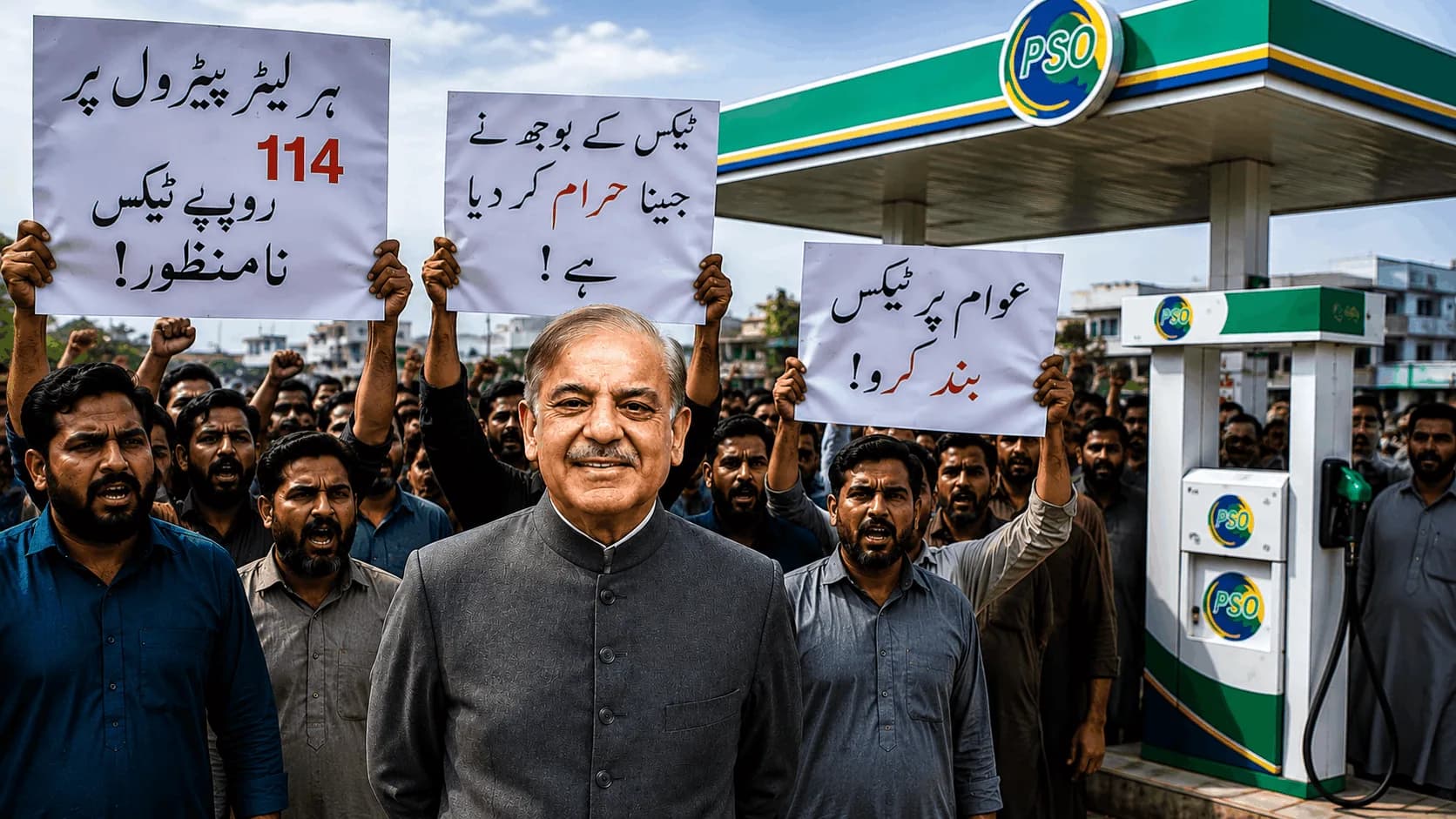
What happens when taxpayers pay a tax that later gets challenged in court or declared inapplicable? For many individuals and businesses in Pakistan, this question has now become a real financial concern as calls grow for a clear refund mechanism from the Federal Board of Revenue.
The Federal Board of Revenue is reportedly being urged to introduce a transparent refund policy for cases linked to Section 7E and Super Tax under the Income Tax Ordinance 2001. The demand has gained momentum after recent court rulings raised questions about the applicability of certain tax charges.
Growing Demand for a Transparent Refund Framework
Tax professionals and legal experts argue that taxpayers need a uniform system that clearly defines how refunds will be processed when taxes are deemed unconstitutional or not applicable. At present, the absence of a structured process is creating uncertainty across multiple sectors.
In many cases, taxpayers have already paid significant amounts under Section 7E and Super Tax provisions. When legal interpretations change, the lack of clarity on refunds places additional financial pressure on individuals and businesses already managing tight cash flows.
From experience, one common mistake people make is assuming tax adjustments automatically lead to refunds. In reality, without a defined procedure, even eligible claims can take months or years to resolve.
Key Issues Highlighted by Stakeholders
The debate is not only about refunds but also about trust and efficiency in the tax system. Stakeholders believe that a structured approach would improve compliance and reduce disputes between taxpayers and authorities.
Refund Concerns Overview
| Area | Current Challenge |
|---|---|
| Section 7E Cases | Unclear refund eligibility after legal challenges |
| Super Tax | Delays in processing adjustments and claims |
| Taxpayer Communication | Lack of centralized refund tracking system |
| Administrative Process | Case-by-case handling without uniform rules |
For households and small businesses, delayed refunds can feel like money stuck in limbo. It is similar to lending money to a friend without a clear return date. The uncertainty creates stress, especially when that capital could otherwise be used for operations, savings, or reinvestment.
Why a Clear Refund Policy Matters Now
A structured refund system could improve predictability in Pakistan’s tax environment. It would also help align tax administration with recent judicial developments, reducing confusion among taxpayers who are unsure about their financial position after court decisions.
Experts also suggest that a digital tracking system could simplify the process. Such a system would allow taxpayers to monitor refund status in real time, reducing dependency on manual follow-ups and long administrative cycles.
Quick Facts
- Calls for refund policy linked to Section 7E and Super Tax
- Focus on improving transparency and taxpayer confidence
- Legal experts demand uniform nationwide refund mechanism
- Concerns rising after recent court rulings
Closing Thought
As Pakistan’s tax landscape continues to evolve, the need for clarity in refund processes is becoming more important. A transparent system would not only help taxpayers recover eligible funds but also strengthen confidence in the broader financial framework. The direction FBR takes in response to these calls could shape how efficiently future tax disputes are resolved.
Article Details
Category: Pakistan
Published:
Updated:
Author: Fiza
More Stories