
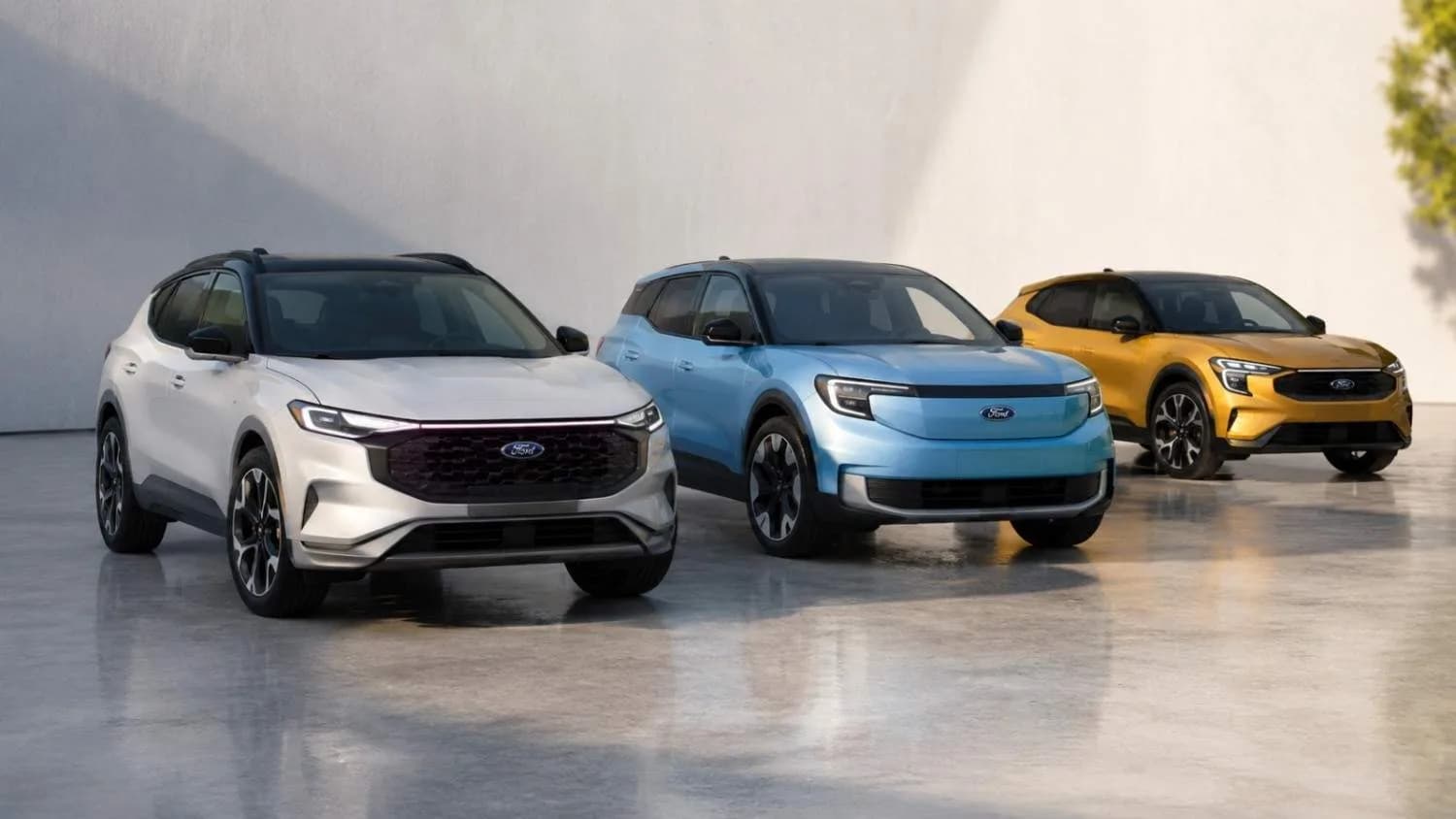
Ford Expands Hybrid Strategy in Europe After EV Shift
What happens when customers are not fully ready to go all-electric? Carmakers are now finding out the hard way, and Ford is adjusting its roadmap before the gap becomes too costly.
Ford is expanding its hybrid strategy across Europe after realizing that the region’s aggressive electric vehicle push may need more time to mature. The company had previously committed heavily toward EV adoption, but slowing consumer demand, charging concerns, and rising ownership costs are changing the market dynamic.
Ford Rebalances Its European Vehicle Plans
The automaker is now increasing focus on hybrid technology to bridge the gap between traditional fuel vehicles and fully electric cars. In many cases, buyers still want better fuel economy without worrying about charging infrastructure or battery range.
Ford’s latest approach reflects a wider shift happening across the European automotive sector. Several manufacturers are quietly reconsidering how quickly customers can realistically transition to EV-only mobility.
From experience, one common mistake people make is assuming all drivers have the same daily routine. Urban commuters may adapt easily to EVs, but families living outside major cities often face different challenges. Long-distance travel, limited chargers, and rising electricity costs remain genuine concerns.
Why Hybrids Are Gaining Ground Again
Hybrid vehicles are becoming the “middle lane” for buyers who want lower fuel bills without changing their lifestyle overnight. Unlike full EVs, hybrids allow drivers to continue using petrol stations while benefiting from improved efficiency.
For many European households already dealing with inflation, vehicle affordability has become a major issue. Buying a new EV today can feel similar to upgrading every appliance in a house at once. The long-term savings may exist, but the upfront financial pressure can overwhelm average families.
Ford appears to recognize this hesitation. The company is now positioning hybrids as a practical transition technology rather than treating them as a temporary stopgap.
| Vehicle Type | Main Advantage | Consumer Concern |
|---|---|---|
| Fully Electric Vehicles | Zero tailpipe emissions | Charging infrastructure |
| Hybrid Vehicles | Better fuel efficiency | Higher purchase price than petrol cars |
| Petrol Vehicles | Wide fueling access | Fuel costs and emissions rules |
European EV Market Faces Slower Momentum
Europe remains committed to cleaner transportation, but the pace of adoption has cooled in some markets. Higher borrowing costs and reduced government incentives are making consumers more cautious about large purchases.
Ford’s revised strategy also highlights a deeper industry challenge. Carmakers invested billions into EV production expecting rapid mass adoption. Instead, many buyers are choosing flexibility over full electrification.
Analysts believe hybrid models could remain relevant longer than originally expected, especially in regions where charging infrastructure is still developing. This gives companies like Ford breathing room while maintaining environmental targets.
Closing Thought
The European auto market is entering a more realistic phase where consumer habits matter just as much as policy goals. Ford’s hybrid expansion shows that the road to electrification may not be a straight line. Instead of forcing rapid change, automakers are now trying to meet drivers where they are today while preparing for where the industry could be tomorrow.
Quick Facts
- Ford is increasing hybrid focus in Europe alongside EV production
- Consumer concerns include charging access and vehicle affordability
- Hybrid demand is rising as buyers seek flexible mobility options
- European EV growth has slowed in several major markets
Article Details
Category: Auto
Published:
Updated:
Author: Muhammad Anus
More Stories