The Sindh government will provide free solar home systems in Sindh to 275,000 low-income families under a project worth Rs18.206 billion.
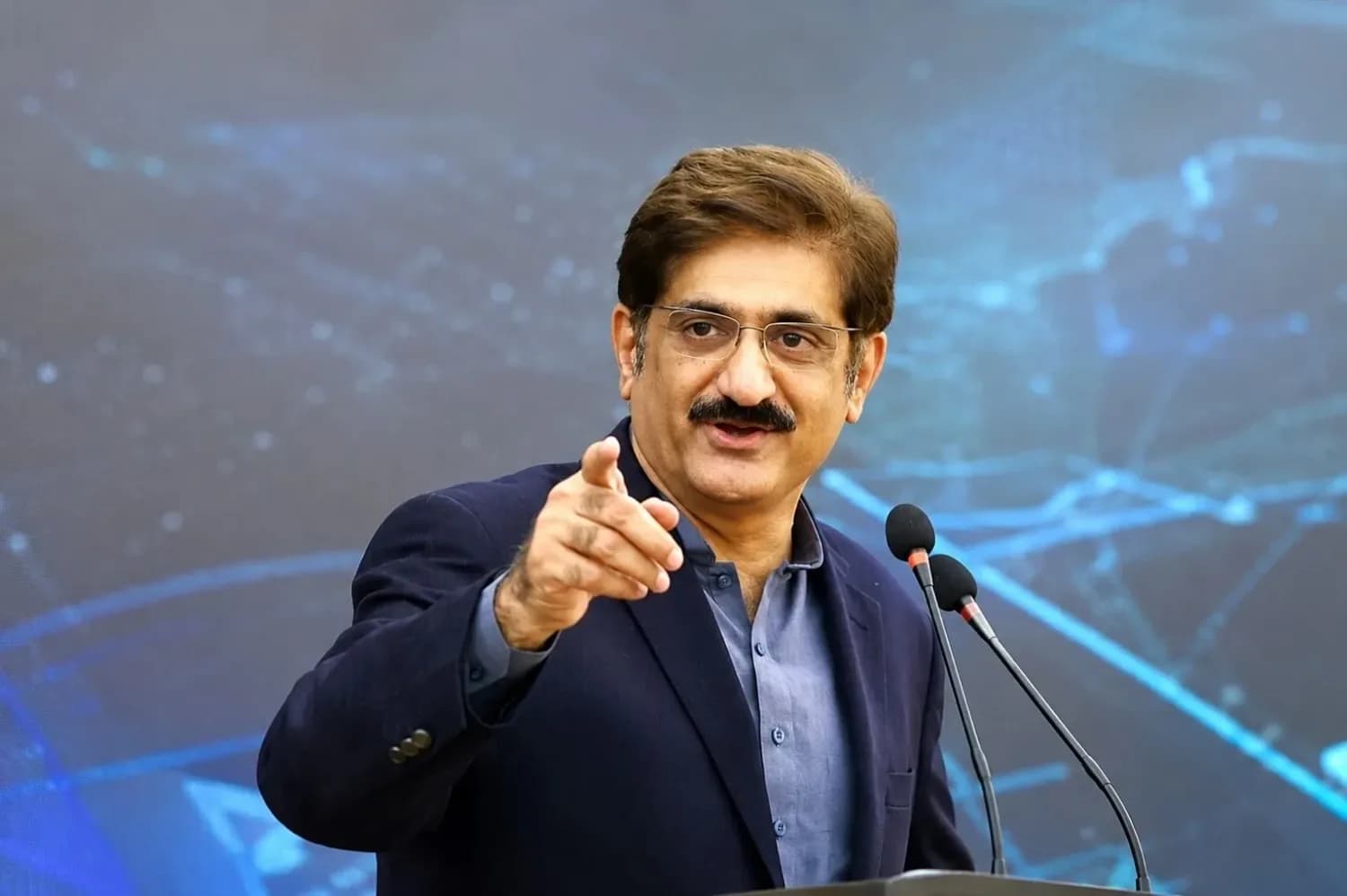
Sindh Chief Minister Syed Murad Ali Shah has directed the concerned authorities to speed up the distribution and installation process.
The initiative aims to provide affordable and environmentally friendly electricity to families facing high electricity costs, power outages or no grid access.
Sindh Solar Home System Project at a Glance
The project covers both families connected to the electricity grid and households living in areas without reliable grid access.
Project detail | Information |
|---|---|
Total beneficiary families | 275,000 |
Total project cost | Rs18.206 billion |
Off-grid households | 132,000 |
On-grid consumers | 143,000 |
Systems installed so far | 11,571 |
Project starting date | April 2025 |
Expected completion | June 2027 |
The figures were shared during a review meeting chaired by the Sindh chief minister.
What Will Each Family Receive?
Every eligible family will receive a basic solar package designed to cover essential household electricity needs.
The package includes:
One 180-watt solar panel
A lithium battery
A DC fan
LED lights
A charge controller
Mobile phone charging support
An inverter with the battery system
The system is intended for basic needs such as lighting, running a fan and charging mobile phones. It is not designed to operate heavy appliances such as air conditioners, water pumps, irons or electric heaters.
Previous project information shows that the complete kit includes three LED lights and a 50Ah lithium battery.
Free Installation and Maintenance
The National Energy and Transport Corporation Limited is supplying the solar kits.
The Sindh Rural Support Organization is responsible for free installation and maintenance. The package also includes a two-year warranty, according to information shared by the Sindh Chief Minister House.
Who Is Eligible for the Free Solar Scheme?
The project has been divided into on-grid and off-grid categories.
On-Grid Consumers
Households Using Up to 100 Units
The on-grid category covers protected consumers who use up to 100 electricity units per month.
These families may already have an electricity connection but often struggle with rising bills, voltage problems or extended power outages.
A solar kit can provide basic backup electricity for lights, a fan and mobile charging during load shedding.
Off-Grid Families
Remote and Electricity-Deprived Areas
The off-grid category covers poor families living in:
Remote villages
Desert regions
Mountainous areas
Riverine communities
Difficult-to-reach locations
Areas without reliable grid electricity
Out of the total systems, 132,000 kits are reserved for off-grid households, while 143,000 systems are planned for on-grid consumers.
Priority for Deserving Families
According to the project briefing, priority is being given to deserving households registered with the Benazir Income Support Programme.
The government has also directed officials to ensure that the distribution process remains fair, transparent and focused on genuinely deserving families.
How to Apply for the Sindh Free Solar System?
The Sindh government has not yet announced a separate online application portal, registration form or application deadline for this project.
Eligible families are expected to be identified through official government records, electricity consumption data and poverty-related information.
On-grid beneficiaries include protected consumers using up to 100 electricity units per month.
Off-grid beneficiaries include deserving families living in remote areas without reliable electricity access.
Residents should follow official updates from the Sindh Energy Department, Sindh Chief Minister House, Sindh Rural Support Organization and district administration offices.
Applicants should not pay any agent or submit personal documents through an unofficial website, WhatsApp number or social media account.
Application details should only be trusted when they are announced through official government channels.
More Than 11,000 Solar Systems Installed
Officials informed the chief minister that 11,571 solar home systems have already been installed in different parts of Sindh.
Installation work is currently underway in:
Ghotki
Umerkot
Shaheed Benazirabad
Dadu
Tharparkar
Thatta
Karachi
The project began in April 2025 and is scheduled to be completed by June 2027.
Earlier in April 2026, the project was formally inaugurated across Khairpur, Larkana, Qambar Shahdadkot and Shikarpur, with SRSO leading implementation activities.
On-Grid and Off-Grid Solar Systems Compared
Category | On-grid households | Off-grid households |
|---|---|---|
Electricity connection | Already connected to the grid | Limited or no grid access |
Main eligibility | Protected users consuming up to 100 units | Low-income families in remote areas |
Planned systems | 143,000 | 132,000 |
Main benefit | Backup during outages | Basic household electricity |
Typical use | Lights, fan and phone charging | Lights, fan and phone charging |
Both categories receive systems intended for basic energy needs. However, the practical impact may be greater for off-grid households that previously had little or no access to electricity.
How the Solar Kit Can Help Families
A 180-watt system is small compared with a complete rooftop solar setup, but it can still make a noticeable difference in a low-income household.
For example, a family in Tharparkar may be able to use LED lights after sunset, operate a fan during hot weather and keep a mobile phone charged for communication.
Similarly, an on-grid household in Karachi or Thatta may use the system as basic backup during load shedding.
The most important point is setting realistic expectations. The kit offers essential power support, not full household solarisation.
Benefits and Practical Limitations
Pros
The system is being provided free of cost
It supports families affected by energy poverty
Solar power can reduce dependence on grid electricity
The lithium battery stores power for use after sunset
Free installation reduces the burden on beneficiaries
Maintenance support and a two-year warranty are included
Remote families can access basic lighting and mobile charging
Cons
A 180-watt panel cannot run heavy appliances
Performance may fall during extended cloudy weather
Battery life depends on correct use and maintenance
Families must avoid connecting equipment beyond the system’s capacity
Transparent beneficiary selection will be essential
The project still has a large number of installations to complete
These limitations do not reduce the project’s value, but they show why beneficiaries should receive clear instructions about safe use and system capacity.
Murad Ali Shah Orders Faster Implementation
Chief Minister Murad Ali Shah directed officials to accelerate both the distribution and installation of the systems.
He said affordable and sustainable energy was important for improving the quality of life of low-income families.
The chief minister also called for continuous monitoring of installation quality, technical support and maintenance services.
Authorities were instructed to prioritise deserving families in remote areas and complete the project without unnecessary delays.
Why Transparent Distribution Matters
The success of the project will depend on more than the number of kits distributed.
Officials will need to ensure that:
Beneficiary records are verified
Kits reach the selected households
No payment is demanded for free systems
Installation quality is monitored
Warranty claims are handled properly
Families receive basic usage instructions
One common mistake in public welfare projects is focusing only on distribution numbers. Long-term technical support is equally important because even a minor battery or wiring issue can make a solar kit unusable.
No individual beneficiary testimonials were included in the latest official review. Therefore, no unverified customer statements have been added to this report.
How to Apply for the Sindh Free Solar System
The latest review did not announce a separate public application website or a new online registration form.
Eligibility appears to be based on government verification, electricity usage records and information about deserving households, including BISP data.
Applicants should avoid paying agents or sharing personal information through unofficial social media pages.
For verified application or registration information, residents should follow announcements from:
Sindh Energy Department
Sindh Chief Minister House
Sindh Rural Support Organization
Relevant district administration offices
Stay Updated with Pehle Pakistan
For the latest information about the Sindh free solar scheme, eligibility announcements, government relief programmes and application procedures, follow Pehle Pakistan.
Readers should rely on official notices before submitting documents or paying any fee to a person claiming to provide a solar kit.
Frequently Asked Questions
1. How many families will receive free solar systems in Sindh?
The Sindh government plans to provide free solar home systems to 275,000 low-income families across the province.
2. What is included in the free solar kit?
The kit includes a 180-watt solar panel, lithium battery, fan, LED lights, charge controller, mobile charging facility and an inverter.
3. Who is eligible for the Sindh free solar scheme?
Protected consumers using up to 100 units and poor families living in remote or off-grid areas are included in the project.
4. Is the Sindh solar home system completely free?
The government says the kit, installation and maintenance services are free for eligible families. A two-year warranty is also included.
5. How can I apply for the free solar system in Sindh?
A separate public application portal was not announced in the latest update. Residents should wait for verified instructions from official departments.
6. Which districts are receiving solar systems?
Installation is underway in Karachi, Ghotki, Umerkot, Dadu, Tharparkar, Thatta and Shaheed Benazirabad, with other districts also covered under the wider programme.
7. When will the Sindh solar project be completed?
The project began in April 2025 and is expected to be completed by June 2027.
Sources
Article Details
Category: News
Published:
Updated:
Author: Usama Haider
More Stories