Germany Faces Sharp Slowdown as Foreign Investors Step Back
What happens when global investors start pressing pause on one of Europe’s most stable economies? That question is now being asked across financial circles after Germany recorded a noticeable drop in foreign investment activity.
Investment Climate Shows Clear Cooling Trend
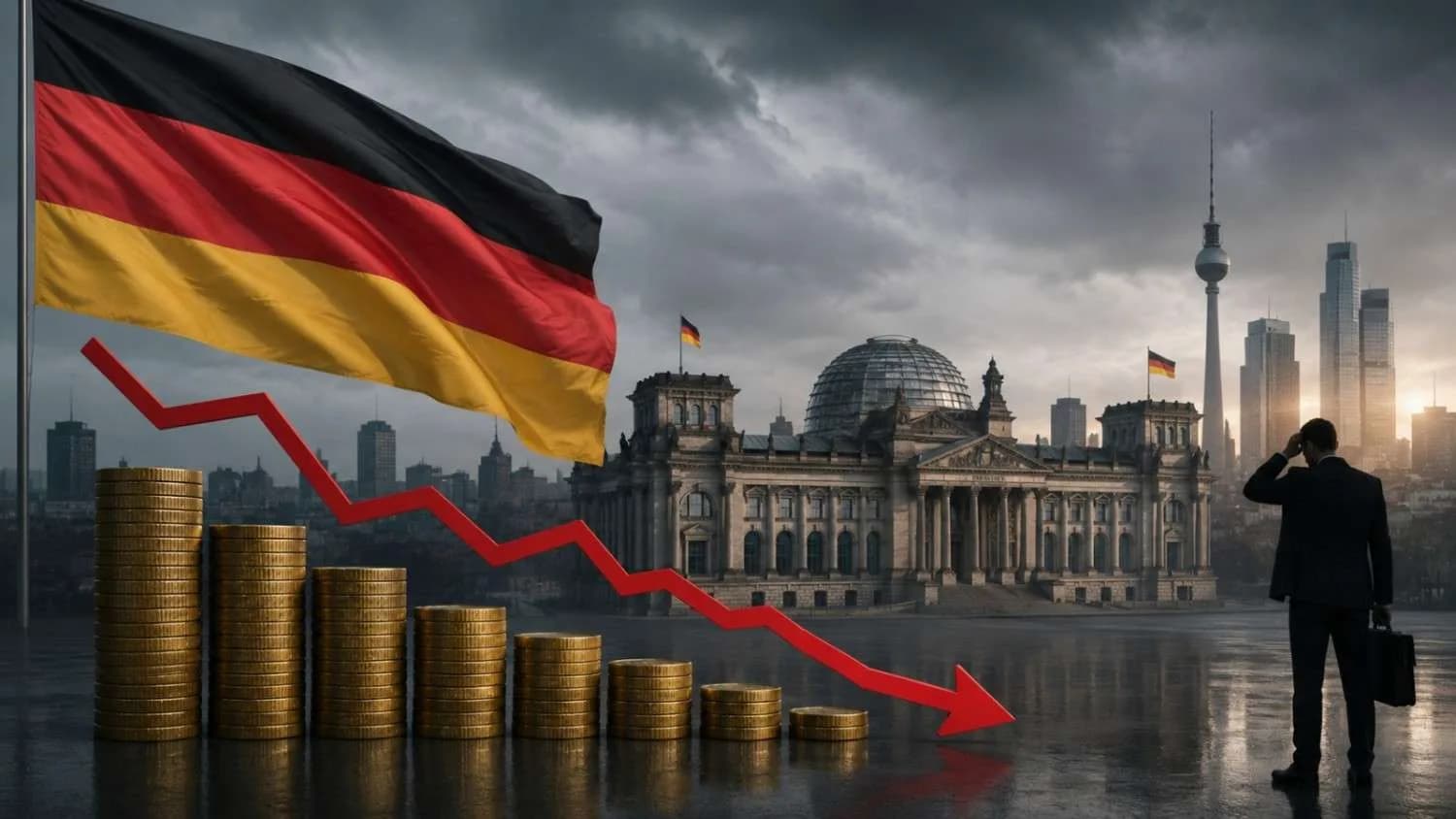
Foreign investment projects in Germany have fallen to their lowest level in nearly a decade. The latest figures highlight a 9.3% decline in 2025, reflecting weaker expansion plans from international companies, especially from the United States.
The data released by Germany Trade & Invest signals a broader hesitation among global firms as they reassess costs, energy stability, and long-term industrial strategy in Europe.
Why Companies Are Slowing Expansion
In many cases, companies are delaying decisions due to rising operating expenses and unpredictable energy pricing. From experience, investors tend to shift toward regions where long-term cost structures feel more stable.
One common mistake people make is assuming investment flows depend only on market size. In reality, regulatory clarity and infrastructure reliability matter just as much, sometimes even more.
Key Figures Behind the Decline
- 1,564 foreign investment projects recorded in 2025
- 9.3% year-on-year decline in activity
- Fourth consecutive annual drop in investment inflows
- US firms show notable slowdown in expansion plans
Foreign Investment Trend Overview
| Year | Projects | Trend |
|---|---|---|
| 2022 | ~1,900 | Strong inflow phase |
| 2023 | ~1,750 | Initial slowdown |
| 2024 | ~1,720 | Gradual decline |
| 2025 | 1,564 | 9.3% drop |
Impact on Everyday Economy
When foreign investment slows, the effects are not limited to boardrooms. Local job creation, supplier contracts, and regional development plans can also lose momentum.
A simple way to understand this is by thinking of a household budgeting for education. If income becomes uncertain, families delay major spending decisions. Similarly, companies hold back on expansion when returns look unstable.
Shifting Global Investment Patterns
Germany remains a key industrial hub, but competition from other regions is intensifying. Investors are increasingly diversifying their portfolios and exploring markets with faster regulatory approvals and lower operational costs.
Technology-driven sectors and renewable energy projects may still attract interest, but traditional manufacturing investments are becoming more selective.
What Lies Ahead for Germany
The current slowdown does not signal a permanent exit of global capital. Instead, it reflects a recalibration phase where investors are waiting for clearer signals on energy costs and industrial policy direction.
Future recovery will depend on how quickly Germany adapts to shifting global supply chains and restores investor confidence in long-term stability.
Article Details
Category: Investment
Published:
Updated:
Author: Aliya
More Stories