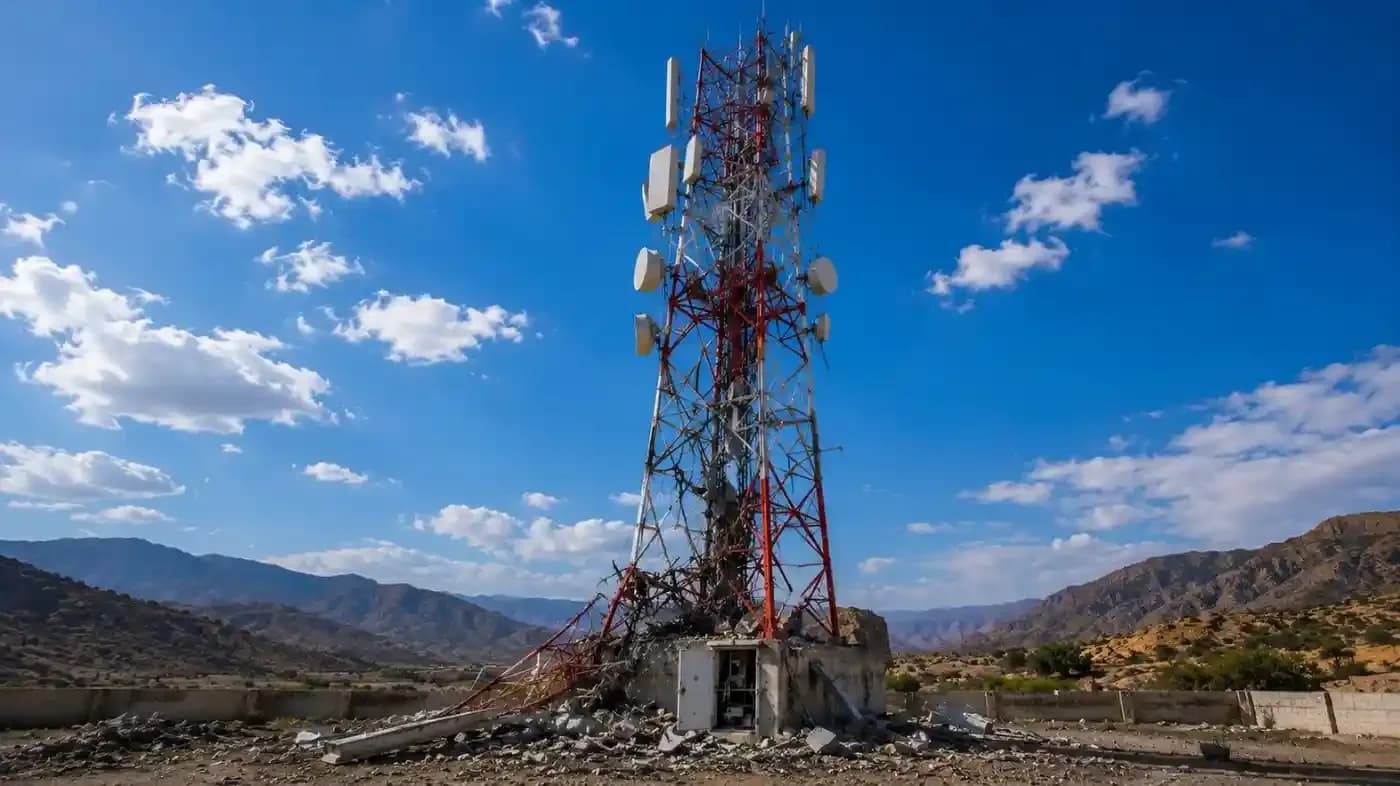
Global markets gain confidence amid easing geopolitical tensions.
Global Markets Regain Confidence as Tensions Begin to Ease
Can one shift in geopolitical mood change the direction of global markets? Investors are showing renewed confidence as easing tensions reduce fears around oil supply, trade routes, inflation pressure, and risk-heavy assets.
Closing Thought
The recovery in global markets shows how quickly investor confidence can improve when geopolitical risks cool. Still, markets remain sensitive. A lasting rally will depend on stable energy flows, central bank signals, corporate earnings, and whether diplomatic progress continues without fresh shocks.
Quick Facts Box
- Investor confidence has improved as geopolitical tensions show signs of easing.
- Gulf markets recently gained on hopes of progress linked to Iran talks.
- Oil prices and shipping routes remain key indicators for global sentiment.
- Equities, currencies, and commodities are reacting to lower risk expectations.
Why Markets Are Feeling More Confident
Markets dislike uncertainty more than bad news itself. When investors sense that tensions may cool, they usually move back into stocks, emerging markets, and sectors linked to growth.
In many cases, even a small diplomatic opening can calm traders. It reduces the fear of sudden oil shocks, sanctions disruption, shipping delays, and emergency policy moves by central banks.
Market Areas Reacting to Lower Tension
Oil Prices Remain the Biggest Signal
Energy markets remain central to this story. When geopolitical risks rise in the Middle East, oil traders quickly price in the possibility of disrupted supply routes.
From experience, oil shocks do not stay inside financial markets. They move into petrol pumps, electricity costs, transport fares, food prices, and household budgets.
Why Families Should Care
A family may not follow bond yields or global indices every day, but it does feel fuel and food prices. If a delivery truck pays more for diesel, the cost can eventually reach the price of vegetables, flour, medicine, and school transport.
This is why easing geopolitical tensions matter. Lower uncertainty can help soften pressure on energy-importing countries and reduce the risk of another inflation wave.
What Investors Should Watch Now
One common mistake people make is assuming a few positive trading sessions mean all risks have disappeared. Markets can recover quickly, but they can also reverse quickly if talks fail or conflict escalates again.
Investors should watch oil prices, diplomatic statements, shipping activity, central bank guidance, and corporate earnings. These indicators will show whether confidence is broad-based or only temporary.
What It Means for Emerging Markets
Emerging markets often benefit when global risk appetite improves. Investors become more willing to buy stocks, bonds, and currencies in developing economies when fear levels come down.
For Pakistan, easing geopolitical pressure can help by reducing imported inflation risks and improving investor mood. However, local stability, fiscal discipline, and policy consistency remain just as important.
A Careful Rally, Not a Free Pass
The current improvement in sentiment is encouraging, but markets are still operating in a fragile global environment. Trade tensions, inflation surprises, interest rate decisions, and regional conflicts can still affect direction.
Smart investors will avoid emotional buying. A disciplined strategy, sector research, and attention to risk can help protect gains while still benefiting from improving market confidence.
Article Details
Category: Investment
Published: 24 May 2026
Time: 12:47 pm
Author: Muzamil Ahmad
More Stories