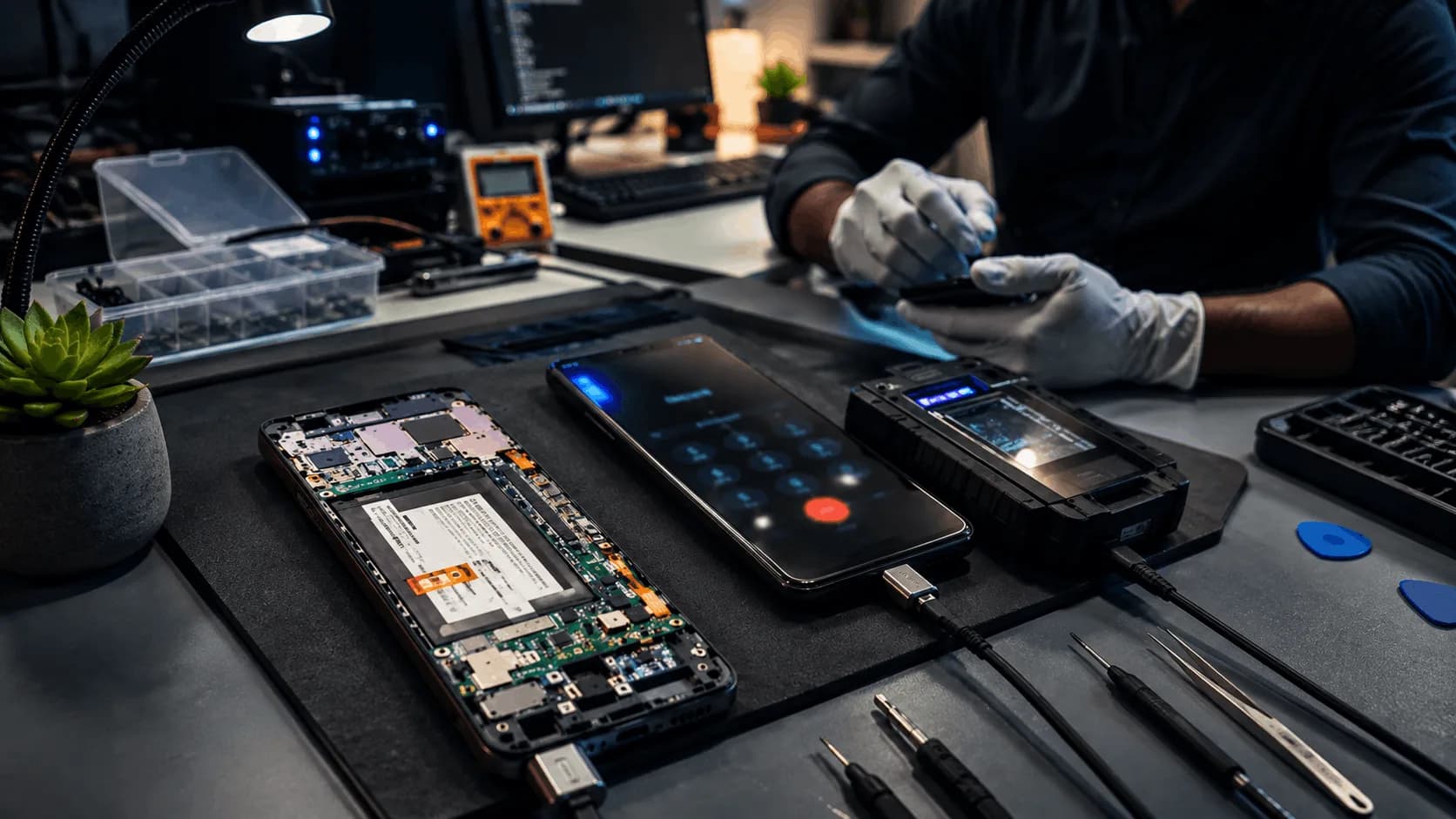
Google Gemini Go brings powerful AI features to budget Android smartphones, making smart assistance accessible to more users.
Overview
Google is making artificial intelligence more accessible with the launch of Google Gemini Go, a lightweight version of its AI assistant designed specifically for affordable Android devices.
For years, advanced AI features were mostly reserved for premium smartphones. That created a gap for millions of users who rely on entry-level devices for work, education, and communication. Gemini Go aims to change that.
In many cases, users don't need a flagship phone to benefit from AI. They simply want faster access to information, better productivity tools, and smarter assistance for daily tasks. Google appears to be targeting exactly that audience.
The update is especially relevant in markets like Pakistan, where budget Android smartphones remain popular among students, freelancers, small business owners, and first-time smartphone users.
Google Gemini Go Expands AI Access to Affordable Android Devices
Google has confirmed that Gemini Go will be available on Android Go Edition smartphones equipped with at least 2GB of RAM. Since Android 13 Go Edition already requires this hardware baseline, many existing devices are expected to qualify for the upgrade.
Instead of creating a completely new experience, Google has focused on making AI work efficiently on limited hardware. The result is a streamlined assistant that consumes fewer system resources while still delivering practical everyday functionality.
Why This Launch Matters
One common mistake people make is assuming AI only benefits power users. In reality, everyday smartphone owners often gain the most value from simple automation and quick assistance.
Gemini Go helps bridge that gap by bringing useful AI features to lower-cost devices.
| Feature Area | Benefit for Users |
|---|---|
| Voice Assistance | Faster hands-free tasks |
| Communication | Easier calling and messaging |
| Productivity | Quick reminders and scheduling |
| Navigation | Travel time and location support |
| Search | Faster information discovery |
A Step Forward for Emerging Markets
From experience, affordability often determines technology adoption more than innovation itself. By bringing Gemini Go to budget smartphones, Google is creating an opportunity for millions of users to experience AI without upgrading to expensive hardware.
For users across Pakistan, this could mean better digital assistance, improved productivity, and easier access to smart features that were previously associated with premium devices.
Customer Testimonial Highlights
Early reactions from Android Go users on technology forums and community discussions have been largely positive:
- "My phone isn't powerful, but I still want modern AI features."
- "Replacing Assistant Go with Gemini feels like a big upgrade."
- "Students can benefit from quick answers and reminders without buying a costly device."
- "This makes AI accessible to people who use entry-level phones every day."
These sentiments reflect a growing demand for practical AI tools rather than hardware-intensive features.
Features, Real-World Benefits, and What Users Can Expect
Google Gemini Go is designed to handle everyday tasks that people perform dozens of times each week. Instead of opening multiple apps, users can interact with the AI through simple voice or text commands.
Once installed, Gemini Go can be launched by pressing and holding the Home button or power button on supported devices. The assistant then becomes a central hub for common smartphone activities.
What Can Gemini Go Do?
The new AI assistant offers a range of practical features that can save time throughout the day.
- Make phone calls without manually searching contacts
- Send text messages through voice commands
- Check travel and drive times
- Locate nearby restaurants and services
- Find EV charging stations
- Set alarms and reminders
- Create calendar events
- Control media playback
- Answer questions and provide information
Unlike the older Assistant Go, Gemini Go also supports file uploads. Users can share documents, photos, and images to give the AI additional context before asking questions.
Real-World Use Cases for Pakistani Users
In many cases, the value of AI becomes clearer when applied to everyday situations.
A university student in Lahore could upload lecture notes and ask Gemini Go to explain key concepts before an exam.
A small business owner in Karachi might create reminders, schedule meetings, and send messages without switching between multiple apps.
A delivery rider could quickly check routes, traffic conditions, and estimated travel times while on the move.
These are practical benefits that help users save time rather than simply showcasing advanced technology.
The Rollout Timeline
Google says the rollout will happen gradually across regions over the coming weeks. Compatible Android Go devices should receive the update automatically through Google's software distribution channels.
Because software releases are often staged, some users may receive access sooner than others.
Conclusion
The launch of Google Gemini Go represents a significant step toward making artificial intelligence available to a wider audience. Rather than focusing solely on premium smartphones, Google is bringing useful AI tools to devices that millions of people already own.
For Pakistan's growing mobile-first population, that could mean easier access to productivity tools, smarter assistance, and a more capable smartphone experience without the need for expensive hardware upgrades.
As AI continues to become part of everyday digital life, Gemini Go may prove that accessibility is just as important as innovation.
[Source: ARY news]Article Details
Category: Tech
Published:
Updated:
Author: Urooj
More Stories