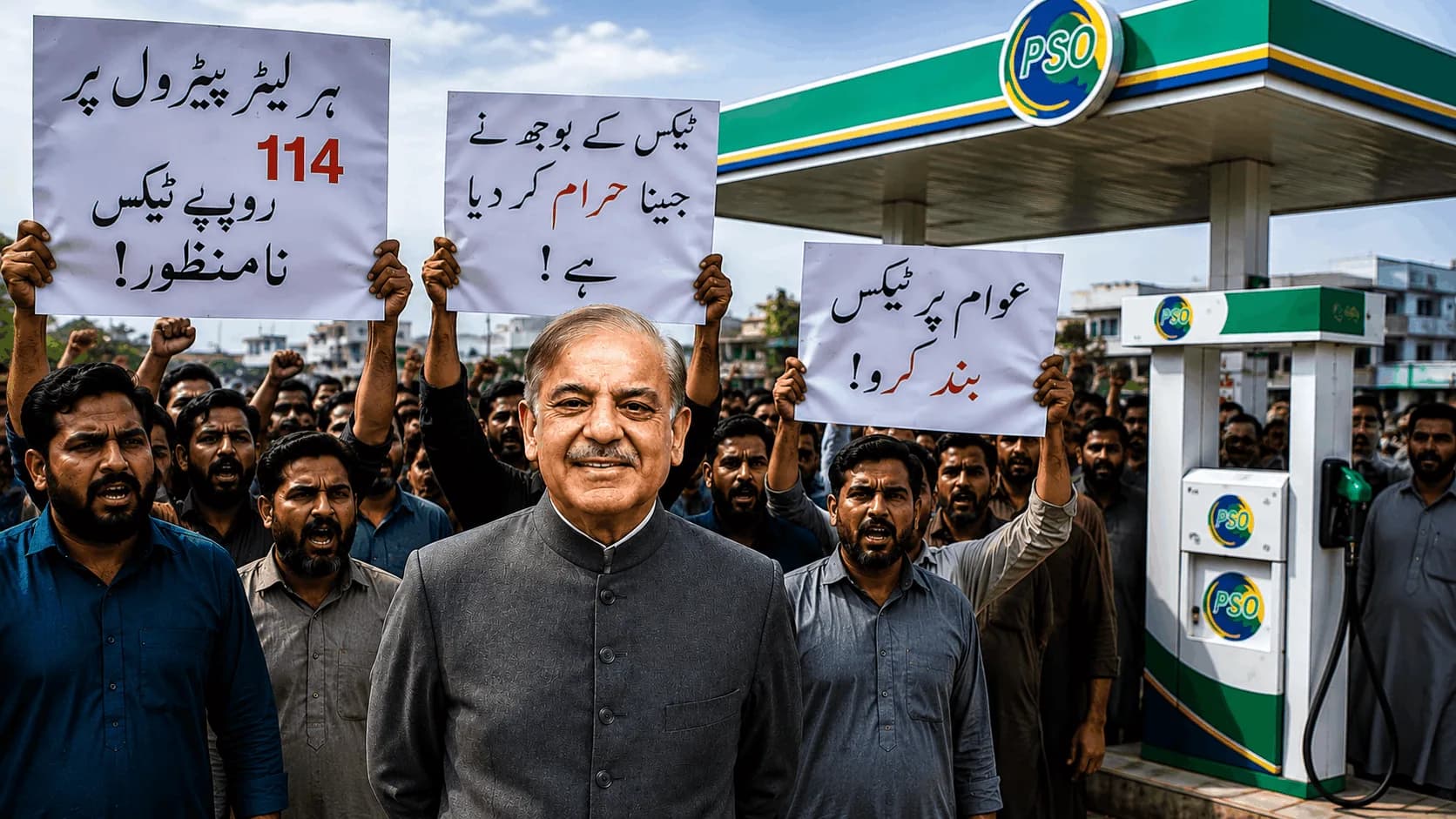
Government Announces Major Gas Price Hike Across Pakistan, Adding Pressure on Household Budgets
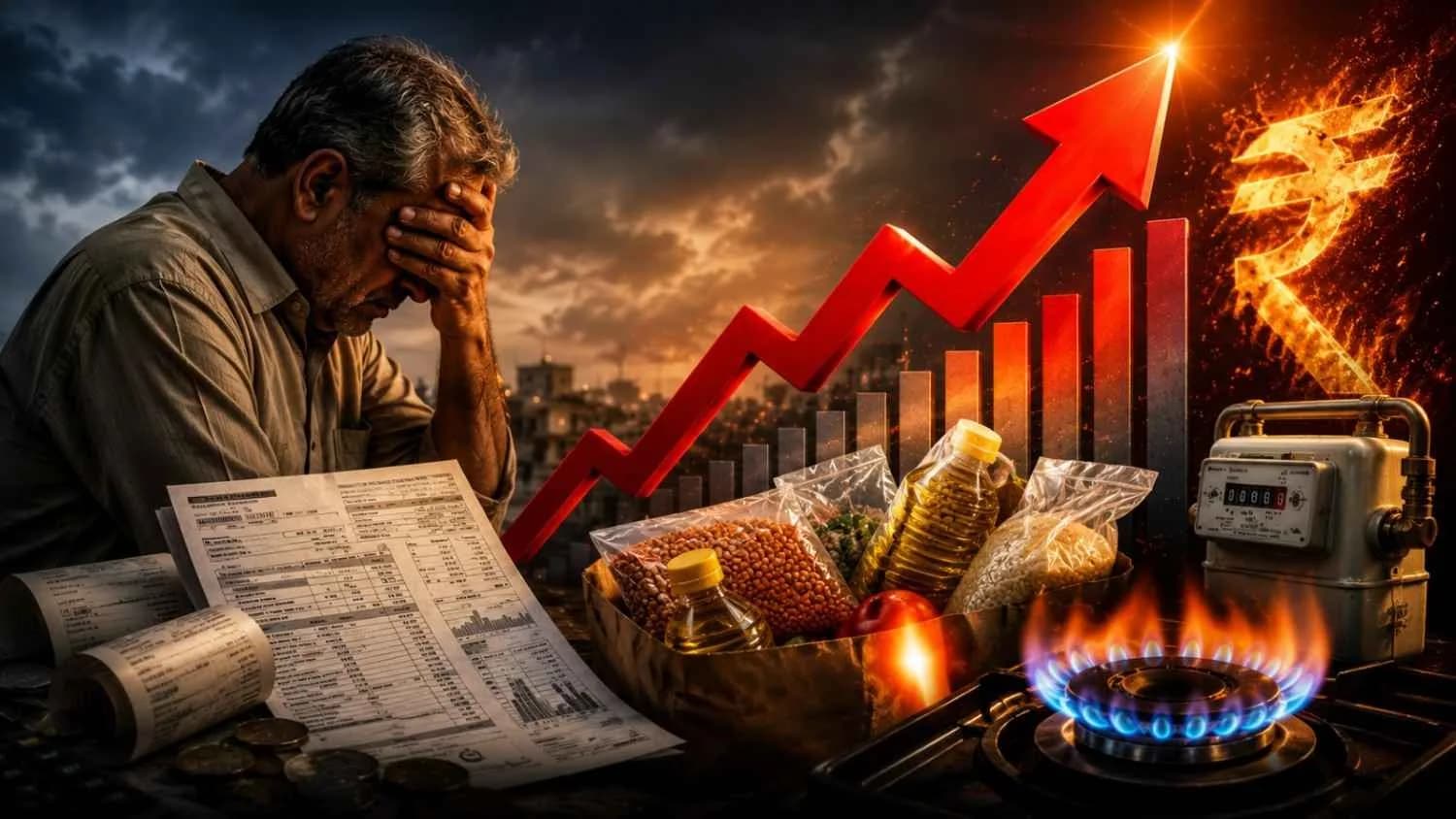
What happens when a basic household utility suddenly becomes more expensive? For millions of families across Pakistan, the latest gas price increase could mean difficult choices in monthly budgeting as energy costs continue to rise.
Gas Tariffs Revised Across Multiple Consumer Categories
The government has approved a significant increase in gas tariffs across Pakistan, affecting domestic, commercial, and industrial consumers. The decision comes as authorities seek to address growing financial pressures in the energy sector and improve revenue collection from utility services.
The revised rates are expected to impact monthly household expenses immediately, especially for families already dealing with rising prices of food, transportation, and other essential services.
In many cases, utility bills represent a major portion of household spending. Even a moderate increase in gas charges can create noticeable pressure for middle-income and lower-income families.
How Consumers May Feel the Impact
For ordinary households, the increase could translate into higher monthly utility bills during cooking, water heating, and winter heating seasons. From experience, many families plan their monthly budgets around fixed expenses, and any unexpected rise in utility costs often requires adjustments elsewhere.
A simple example is a family managing expenses on a fixed salary. When gas costs rise, it can feel similar to adding another grocery bill to the monthly budget without any increase in income.
One common mistake people make is underestimating the cumulative impact of utility increases. Small adjustments across multiple services can significantly affect overall household finances over time.
Expected Impact on Businesses and Industry
Commercial establishments and industrial users are also likely to face increased operating costs. Restaurants, bakeries, manufacturing units, and small businesses that rely heavily on gas may experience higher production expenses.
These additional costs can eventually influence the prices consumers pay for goods and services. While businesses may attempt to absorb some of the increase, long-term sustainability often requires passing part of the burden on to customers.
Gas Price Hike Overview
| Category | Expected Impact |
|---|---|
| Domestic Consumers | Higher monthly gas bills |
| Commercial Sector | Increased operational expenses |
| Industrial Users | Higher production costs |
| Consumers Overall | Potential inflationary pressure |
Practical Steps for Households
Consumers can reduce some of the impact by improving energy efficiency at home. Simple measures such as checking gas appliances for leaks, reducing unnecessary usage, and maintaining equipment properly can help control monthly consumption.
Families may also benefit from tracking utility expenses more closely and adjusting household budgets before higher bills begin to arrive.
What Comes Next?
The latest tariff adjustment reflects broader challenges facing Pakistan’s energy sector. While authorities aim to improve financial sustainability, consumers will be watching closely to see how the increase affects household budgets and business activity in the coming months. The long-term success of such measures will depend on balancing energy sector reforms with affordability for ordinary citizens.
Quick Facts
- Gas tariffs have been increased across multiple consumer categories.
- Domestic, commercial, and industrial users are expected to be affected.
- Higher utility bills may add pressure to household budgets.
- Businesses could face increased operational and production costs.
Article Details
Category: News
Published:
Updated:
Author: Rabia
More Stories