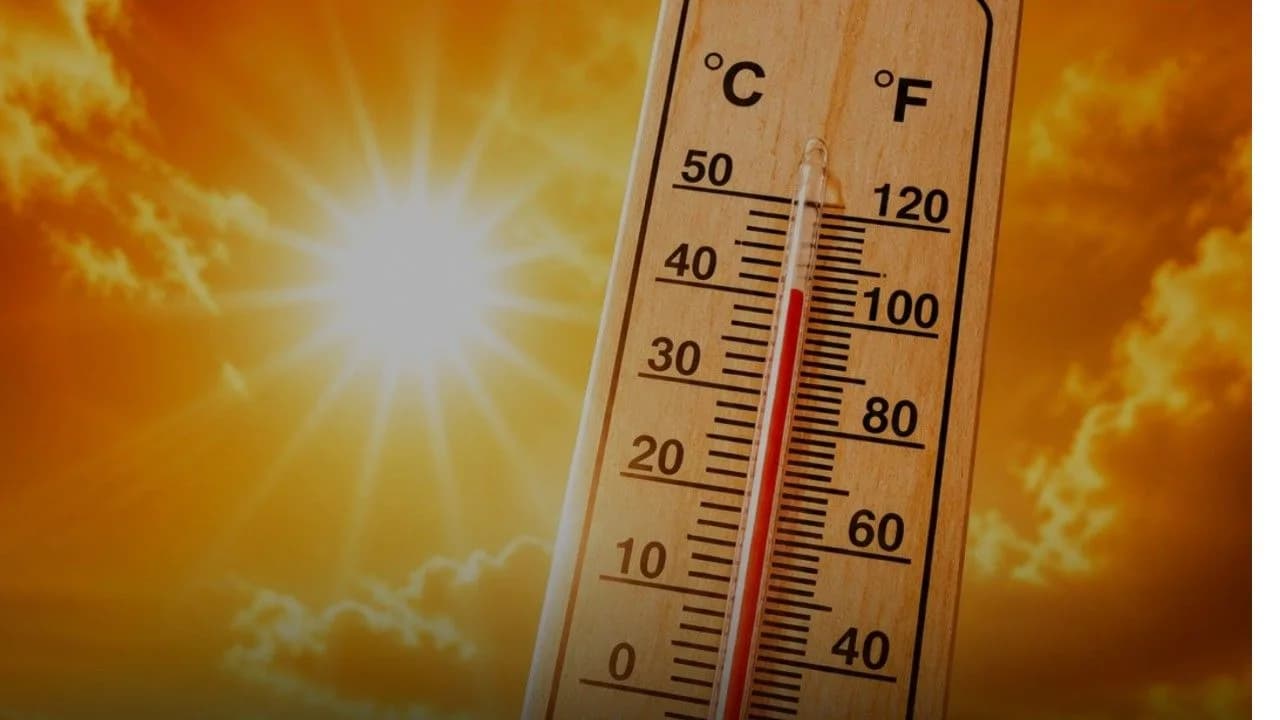
Heatwave Alert in Karachi What’s Really Happening and How to Stay Safe
The heatwave alert in Karachi is not just another weather update people casually scroll past anymore. It has become a serious public concern, especially for those living in densely populated areas where heat gets trapped between buildings and humidity makes everything worse. Over the past few years, Karachi has been experiencing stronger and longer heat waves, and this one is no different.
From experience, one common mistake people make is underestimating early heatwave warnings and continuing daily routines without adjusting. That’s where most problems start.
In this article, we’ll break down what is happening, what the heatwave alert in Karachi today really means, what to expect in the coming days, and most importantly, how you can protect yourself and your family.
Understanding the Heatwave Alert in Karachi
When the Met Office Karachi issues a heatwave warning, it is not just a routine update. It means temperature levels are expected to rise significantly above normal, often combined with high humidity, making it feel even hotter than the actual reading.
In simple terms, your body struggles to cool down in these conditions.
A heat wave in Pakistan, especially in coastal cities like Karachi, is usually worsened by:
High humidity levels from the Arabian Sea
Weak sea breeze circulation
Urban heat buildup due to concrete structures
Power shortages affecting cooling systems
In many cases, even a temperature of 38–40°C can feel like 45°C or more due to humidity.
Heatwave Alert in Karachi Today: What Residents Are Experiencing
The heatwave alert in Karachi today reflects real conditions people are already feeling on the ground. Streets are quieter during peak hours, and outdoor workers are especially affected.
Some common real-life scenarios include:
Rickshaw and delivery riders taking frequent breaks
Office workers avoiding outdoor travel between 12 PM and 4 PM
Increased demand for cold drinks and ORS packets in local shops
Hospitals reporting more heat exhaustion cases
From a real-world perspective, Karachi behaves almost like cities in the US Southwest, such as Phoenix, Arizona, during extreme summer spikes. The difference is humidity. Karachi’s air holds moisture, which makes sweating less effective.
Heatwave Alert in Karachi Tomorrow: What to Expect Next
The heatwave alert in Karachi tomorrow suggests that conditions may continue or even intensify depending on wind patterns and sea breeze activity.
According to typical Met Office Karachi patterns, tomorrow’s conditions may include:
Slight rise or stable high temperatures
Weak afternoon sea breeze
Hot and dry morning conditions
Possible dust particles in the air due to dry winds
One thing many people ignore is that nighttime heat also becomes dangerous during prolonged heat waves. When temperatures don’t drop enough at night, the human body does not recover properly, leading to fatigue the next day.
Heatwave Alert in Karachi Live Conditions and Real-Time Impact
When people search for heatwave alert in Karachi live updates, they usually want to know how it feels right now rather than forecasts.
Right now, live conditions during such alerts typically include:
High real-feel temperature (heat index effect)
Reduced outdoor activity after noon
Increased electricity load due to cooling demand
Water consumption spikes in residential areas
A comparison can help here. In cities like Los Angeles or Las Vegas, heatwaves are intense but dry. Karachi’s heatwave is different because humidity makes it harder for sweat to evaporate, reducing the body’s natural cooling system.
That’s why even short exposure outside can feel exhausting.
Why Heat Waves Are Getting Stronger in Karachi
This is where things get more serious. The increasing intensity of heat wave in Pakistan is not random.
Some major reasons include:
Urban expansion
Concrete surfaces absorb heat during the day and release it at night, keeping cities warmer for longer.
Climate change
Global temperature rise is increasing baseline summer temperatures across South Asia.
Reduced greenery
Less tree cover means less natural cooling.
Weak wind circulation
Sometimes sea breeze systems do not fully develop, trapping heat over the city.
In simple terms, Karachi is heating up faster than it can cool down.
Health Risks You Should Not Ignore
The heatwave alert in Karachi is not just about discomfort. It has real health consequences.
Common health issues include:
Dehydration
Heat exhaustion
Heatstroke
Dizziness and fatigue
Headaches and nausea
One common mistake people make is waiting too long before drinking water. By the time thirst appears, the body is already mildly dehydrated.
High-risk groups:
Children playing outdoors
Elderly people
Outdoor workers like laborers and delivery riders
People with heart conditions
In extreme US heatwaves, emergency services often report similar patterns, especially among people working outside without breaks.
Practical Safety Tips That Actually Work
Let’s be honest. Most advice online sounds the same. But here are practical, real-world tips that actually help during a heatwave alert in Karachi.
Hydration strategy
Drink water every 30–40 minutes
Add ORS if sweating heavily
Avoid too much caffeine or sugary drinks
Outdoor timing
Avoid going out between 12 PM and 4 PM
If necessary, stay in shaded or ventilated areas
Clothing choices
Light cotton clothes
Loose-fitting outfits
Light colors instead of dark shades
Home cooling tricks
Keep curtains closed during peak sun hours
Use cross ventilation in early morning or evening
Place a wet cloth near windows for cooling effect
From experience, simple behavioral changes reduce heat stress more effectively than expensive solutions.
Karachi Wind Forecast PMD and Its Role in Heat Relief
The Karachi wind forecast PMD plays a key role in determining how severe a heatwave feels.
When sea breezes are strong:
Temperature feels more manageable
Humidity levels drop slightly
Nights become cooler
When winds are weak:
Heat remains trapped
Humidity increases
Discomfort rises sharply
This is why even a small change in wind direction can make a noticeable difference in daily comfort.
Karachi Rain Forecast PMD: Can It Break the Heatwave?
Many people hope for rain during heatwaves, and sometimes Karachi rain forecast PMD does show possibilities of light showers or drizzle.
However:
Light rain may increase humidity temporarily
Strong rainfall can cool the city significantly
Thunderstorms can bring sudden relief but are not always predictable
In many cases, people expect rain to “end” the heatwave, but it only provides temporary relief unless sustained weather systems develop.
Comparison: Karachi vs Other Cities During Heatwaves
To understand Karachi’s situation better, let’s compare it with cities like Dubai and Houston.
Dubai
Extremely hot but dry climate
Sweat evaporates quickly
Less humidity discomfort
Houston (USA)
High humidity similar to Karachi
Heat index feels much higher than actual temperature
Frequent heat advisories
Karachi
Mix of coastal humidity and urban heat
Power load shedding increases discomfort
Limited green zones in dense areas
This comparison shows why Karachi’s heatwaves feel more intense even at similar temperature levels.
Final Thoughts: Staying Ahead of the Heatwave
The current heatwave alert in Karachi is a reminder that extreme weather is becoming more common. The key is not panic, but preparation.
Simple habits like staying hydrated, avoiding peak sun hours, and understanding Met Office Karachi updates can make a huge difference.
In many cases, survival during extreme heat is not about major changes, but small consistent decisions made throughout the day.
If you stay aware of heatwave alert in Karachi live updates and adjust your routine accordingly, you can significantly reduce risks for yourself and your family.
Stay safe, stay cool, and treat heat alerts seriously, not casually.
Article Details
Category: News
Published:
Updated:
Author: Aliya
More Stories