Auto Policy to Make Hybrid Cars Expensive in Pakistan?
Auto policy to make hybrid cars expensive in Pakistan?
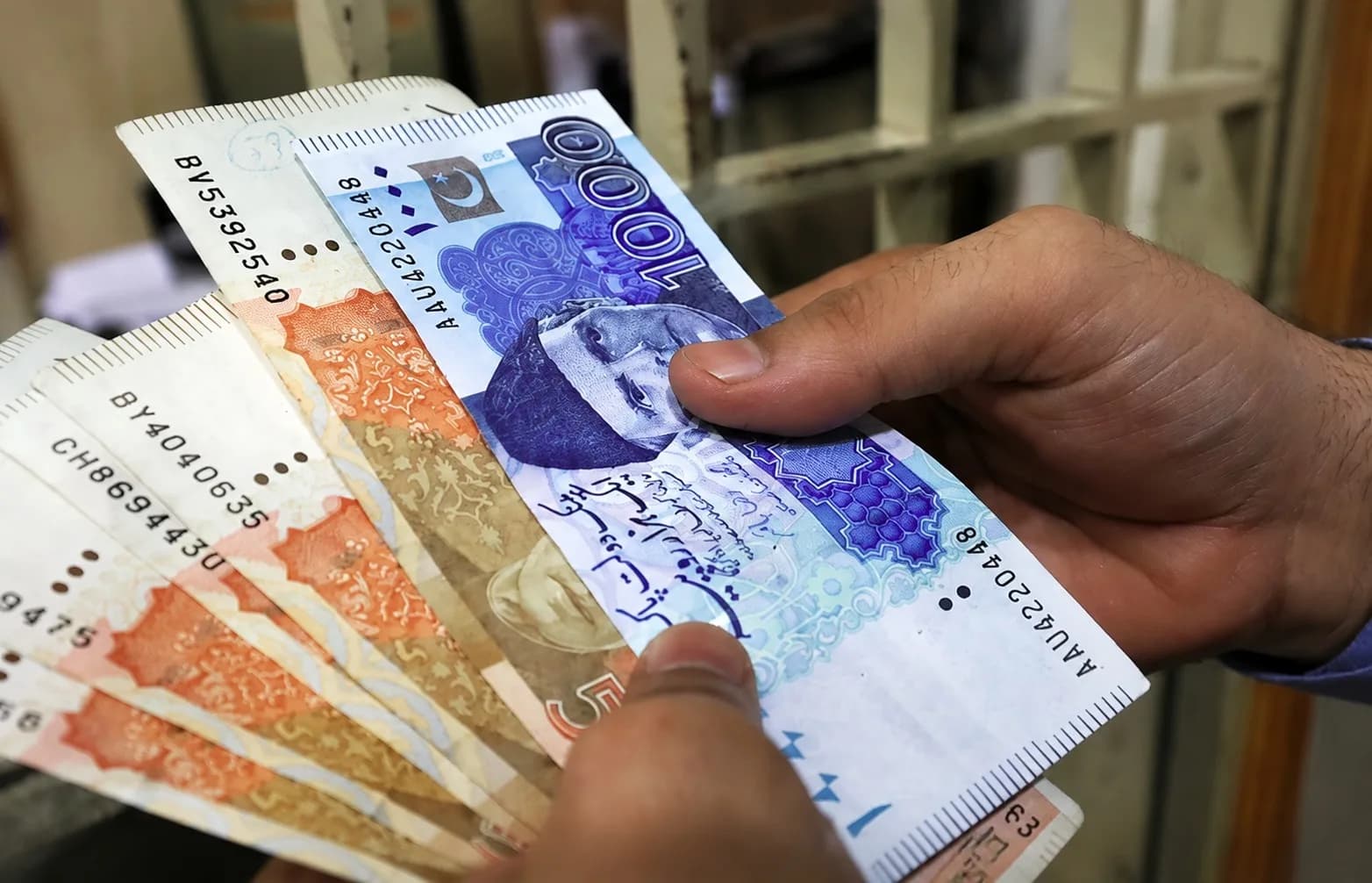
Pakistan's latest tax changes have sparked concern among car buyers. The question many people are asking is whether the new auto policy will make hybrid cars less affordable. The answer, at least for now, appears to be yes.
With the start of the new fiscal year on 1 July 2026, the government increased the sales tax on hybrid and plug in hybrid vehicles. This change follows the implementation of the Finance Bill and the expiry of Pakistan's previous five year automotive policy.
From experience, sudden tax revisions often influence buying decisions more than vehicle launches. Many families planning to purchase a hybrid vehicle may now have to reconsider their budgets.
What changed under the new tax policy?
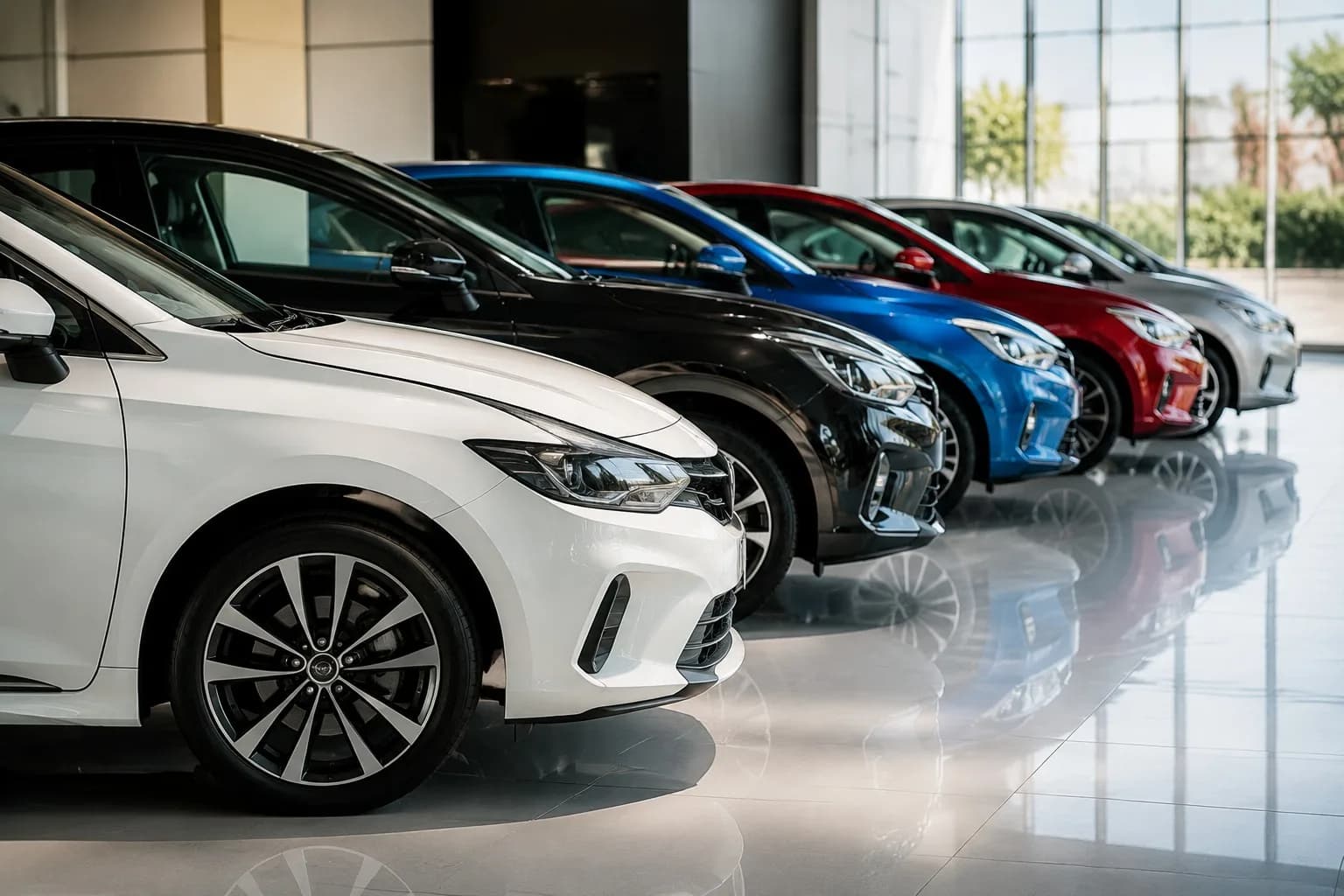
The revised tax structure affects both locally assembled and imported hybrid vehicles. Industry experts believe the higher tax burden will quickly translate into increased showroom prices.
Revised sales tax rates
Vehicle Type | Previous Tax | New Tax |
|---|---|---|
Locally assembled hybrid vehicles | 8.5% | 18% |
Imported plug in hybrid vehicles | 1% | 18% |
Locally assembled plug in hybrid vehicles | 1% | 18% |
These revised rates came into effect on 1 July 2026 and will remain applicable until the government introduces a new automotive policy.
Why this matters for Pakistani buyers
Hybrid vehicles have become increasingly popular because they offer better fuel efficiency and lower running costs. However, a higher purchase price could slow that momentum.
In many cases, buyers focus only on monthly fuel savings. One common mistake people make is overlooking how taxes directly increase the upfront cost of owning a vehicle.
Expected impact includes:
Higher showroom prices for hybrid models
Increased ownership costs
Possible delay in buying decisions
Greater financial pressure on middle income familiesWhat the temporary auto policy means for buyers and Pakistan's auto market
The government has clarified that these revised tax rates are temporary. They will remain in place until a new automotive policy is announced, replacing the previous five year framework.
That means today's prices may not remain permanent. Still, anyone planning to buy a hybrid vehicle in the coming months should closely follow official policy updates.
From experience, temporary tax measures can influence the market for much longer than expected. Buyers often delay purchases, while manufacturers adjust prices and inventory to manage changing demand.
How the auto industry is expected to respond
Auto sector experts believe the higher sales tax could increase hybrid vehicle prices by hundreds of thousands of rupees. Both local manufacturers and importers are likely to pass much of the additional tax burden to customers.
Potential market effects include:
Higher retail prices for hybrid and plug in hybrid vehicles
Reduced short term demand from first time buyers
Slower sales for dealerships
Greater focus on conventional petrol models
Possible pricing revisions after the new auto policy is introduced
Should you buy now or wait?
There is no single answer because every buyer has different financial priorities.
If you urgently need a fuel efficient vehicle, purchasing now may still make sense despite the higher tax. However, buyers with flexible timelines may benefit from waiting to see whether the government revises the tax structure under the upcoming automotive policy.
One common mistake people make is making purchase decisions based only on today's price. It is equally important to consider long term ownership costs, resale value, maintenance expenses, and future government incentives.
Tips for prospective buyers
Compare hybrid models before making a booking.
Calculate the total ownership cost, not just the purchase price.
Monitor official announcements on the new automotive policy.
Check dealership prices regularly, as adjustments may vary by model.
Avoid making rushed decisions based on speculation.
Customer Testimonial Highlights
"I wanted to switch to a hybrid because of rising fuel prices, but I'll wait to see what the new policy offers before making a final decision."
Usman A., Karachi
"The higher tax is disappointing, but if fuel prices continue to rise, a hybrid could still save money over the long run."
Farah M., Faisalabad
Conclusion
The latest tax revision has made hybrid vehicles more expensive across Pakistan, creating uncertainty for buyers and the auto industry alike. While the increase is officially temporary, its immediate impact on vehicle prices and consumer demand is expected to be significant. Until the government unveils its new automotive policy, buyers should stay informed, compare their options carefully, and make decisions based on long term value rather than short term market fluctuations.
(SOURCE:ARYNEWS)
Topics in this story
Article Details
Category: Car
Published: 1 July 2026
Time: 9:23 pm
Author: Rabia
More Stories