How Cities Around The World Are Fighting Climate Change
How Global Cities Are Turning Climate Pressure Into Action
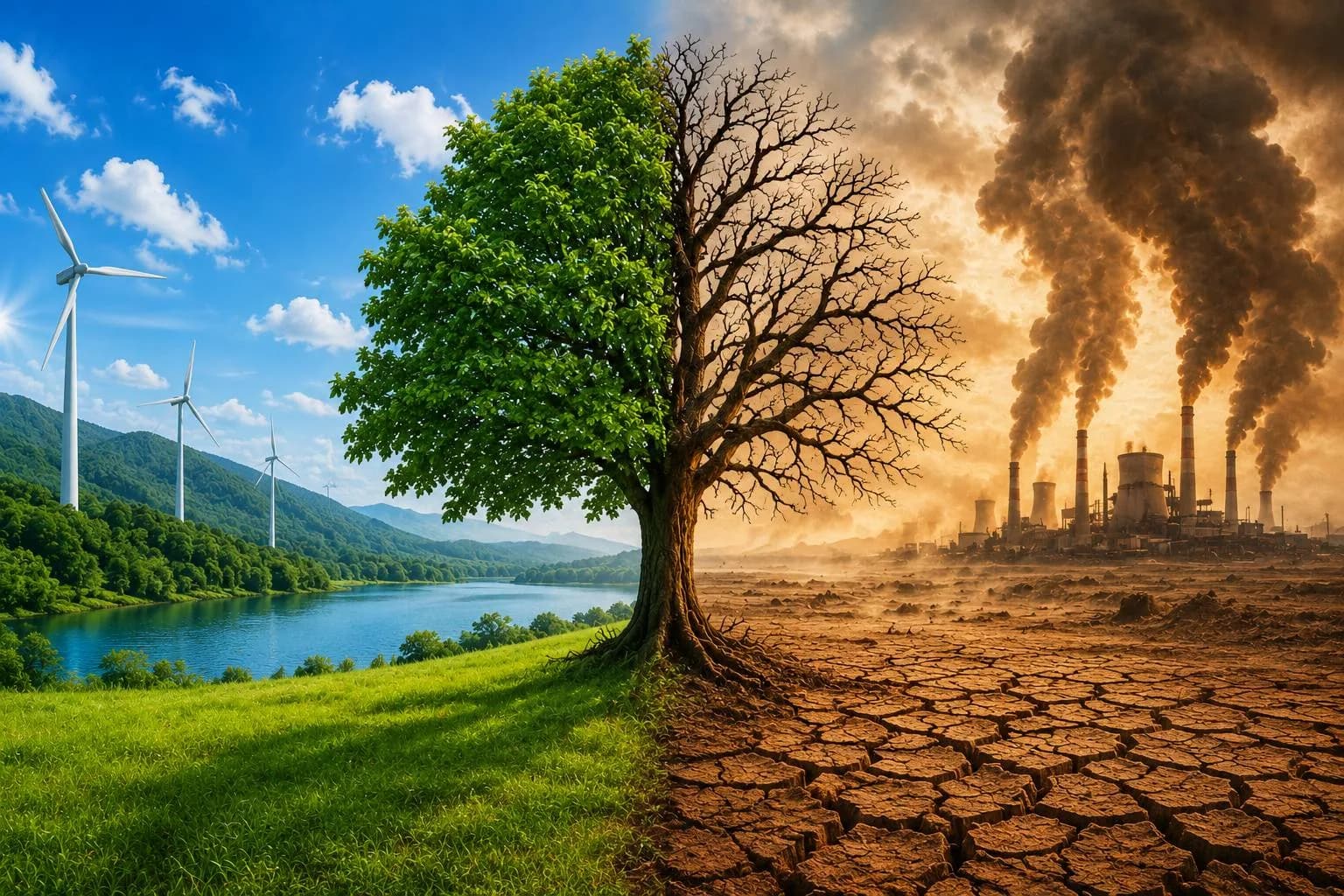
What happens when the world’s busiest cities become the front line of climate change? From extreme heat to urban flooding, cities are no longer waiting for distant promises. They are changing roads, buildings, transport systems, parks and energy use to protect people before the next disaster arrives.
Closing Thought
The fight against climate change will not be won only in global conferences. It will be won street by street, bus route by bus route and building by building. Cities that act early can reduce emissions, protect families from heat and floods, and create healthier places to live. The real challenge is making these solutions affordable for everyone, not only for wealthy neighborhoods.
Quick Facts Box
- Cities use around 75% of global energy.
- Urban areas produce nearly 70% of global greenhouse gas emissions.
- By 2050, nearly 7 in 10 people are expected to live in cities.
- C40 cities represent more than 900 million people worldwide.
Why Cities Matter In The Climate Fight
Cities are powerful because they shape daily life. They decide how people travel, how buildings use energy, where trees are planted and how waste is managed. A national policy may set the target, but city governments often decide whether people feel the change on the ground.
In many cases, climate change looks very local. One area faces flooding after heavy rain. Another faces unbearable heat because there are too many concrete surfaces and too few trees. A third struggles with dirty air from traffic.
This is why city-level action matters. A cleaner bus system, better drainage or cooler streets can directly improve public health. These steps also reduce long-term costs for families and governments.
Cities Are Cutting Emissions Through Better Transport
Transport is one of the fastest ways cities can reduce pollution. Many urban centers are expanding electric buses, improving metro systems, adding bicycle lanes and making walking safer.
London, Paris, Bogotá, Seoul and many other cities have used public transport reforms to reduce traffic pressure. The goal is simple. If public transport is clean, safe and reliable, fewer people depend on private cars for every trip.
From experience, one common mistake people make is thinking climate-friendly transport means forcing people to stop driving. In reality, good planning gives people better choices. A worker will choose a bus or train only if it saves time, money and stress.
Green Buildings Are Becoming A Priority
Buildings consume huge amounts of energy through cooling, heating, lighting and appliances. In hot cities, air conditioners can push electricity demand to record levels during summer.
That is why many cities are updating building codes. New rules encourage insulation, rooftop solar panels, natural ventilation, reflective roofs and energy-efficient lighting.
For families, this is not just an environmental issue. A poorly designed house can become expensive to live in. If a family spends more on electricity every summer, it has less money for food, school fees and healthcare.
The Real Financial Burden On Families
Climate change often enters a home through bills. A heatwave increases electricity use. Flooding damages furniture and school books. Poor air quality increases clinic visits. These costs add up quietly.
Think of a middle-class family already managing rent, groceries and transport. If heat forces them to run fans and air conditioning for longer hours, the electricity bill rises. If rainwater damages one room, repairs may cost more than the monthly food budget.
It is like a small leak in a water tank. At first, the loss looks manageable. Over time, the family realizes the tank is empty before the month ends. Climate stress works the same way for household budgets.
How Cities Are Using Nature As Protection
Urban trees are no longer just for beauty. They reduce heat, clean the air and slow rainwater runoff. Parks, rain gardens and wetlands can protect neighborhoods from flooding while improving quality of life.
Singapore is known for integrating greenery into urban design. Paris has been turning schoolyards and public spaces into cooler, greener areas. Copenhagen uses water-sensitive planning to reduce flood risk after heavy rainfall.
These solutions are practical because they do more than one job. A shaded street protects pedestrians, reduces surface heat and makes local business areas more comfortable.
Flood Protection Is Now A Core Urban Issue
Heavy rainfall has exposed weak drainage systems in many cities. When water has nowhere to go, roads turn into rivers and homes become unsafe.
Modern cities are now building sponge-city systems. These include permeable roads, rain gardens, underground storage tanks and restored waterways. The idea is to absorb and manage rain instead of pushing it away as fast as possible.
This approach matters for cities like Karachi, Mumbai, Jakarta, Manila and Lagos, where dense populations and poor drainage can turn one storm into a public emergency.
Heat Action Plans Are Saving Lives
Extreme heat is one of the most dangerous climate threats because it can kill quietly. Elderly people, outdoor workers, children and low-income families are often the most exposed.
Some cities now issue heat alerts, open cooling centers, adjust school timings and provide water points during heatwaves. Others are using cool roofs and reflective surfaces to lower indoor temperatures.
Karachi’s recent heat stress shows why this matters. When temperatures rise and electricity or water access is weak, heat becomes more than discomfort. It becomes a health risk.
Waste Management Is Also Climate Action
Waste is often ignored in climate discussions, but it plays a major role. Poorly managed landfills release methane, a powerful greenhouse gas. Open burning makes air pollution worse.
Cities are responding with recycling systems, composting programs and landfill gas capture. Some are also pushing businesses to reduce plastic packaging and food waste.
In many cases, better waste management also creates jobs. Recycling workers, collection teams and repair businesses can become part of a cleaner local economy.
What Developing Cities Need Most
Developing cities face a harder challenge. They must reduce climate risk while still expanding housing, transport, jobs and basic services.
A wealthy city can upgrade infrastructure faster. A low-income city may struggle to fix drainage, plant trees or modernize buses without outside finance. This is why climate funding matters.
Practical support should focus on projects that solve daily problems. Clean buses reduce pollution. Solar-powered public buildings reduce bills. Better drainage protects homes. These are not luxury projects. They are basic safety investments.
Lessons For Pakistan And South Asia
Pakistan’s cities can learn from global examples, but they need local solutions. Karachi, Lahore, Islamabad, Peshawar and Quetta all face different climate pressures.
Lahore needs stronger air quality action and greener transport. Karachi needs heat planning, drainage upgrades and coastal resilience. Smaller cities need planned expansion before traffic and construction become unmanageable.
The smartest approach is to start with affordable changes. Tree shade near schools, solar panels on public buildings, better bus routes and flood-safe road design can all make a visible difference.
What Ordinary Citizens Can Do
City governments carry the main responsibility, but citizens also matter. People can reduce waste, support public transport, plant native trees where possible and report blocked drains before monsoon rains.
Community awareness is important. A clean drain in one street can protect many homes. A shaded school entrance can reduce heat stress for children. Small actions become powerful when they are repeated across a city.
The bigger demand, however, should be for better planning. Citizens should ask local leaders for clean transport, reliable waste collection, heat shelters and flood-safe construction.
Final Analysis
Cities around the world are fighting climate change through practical steps, not slogans. They are electrifying transport, improving buildings, planting trees, managing floods and preparing for extreme heat.
The best cities are not only cutting emissions. They are also protecting families from rising costs, health risks and daily disruption. That is the real measure of success.
For countries like Pakistan, the lesson is clear. Climate action must be built into roads, homes, buses, schools and markets. The earlier cities act, the less families will pay later.
Article Details
Category: Global
Published: 24 May 2026
Time: 3:47 am
Author: Pari Row
More Stories