How Gen Z Is Redefining Global Trends
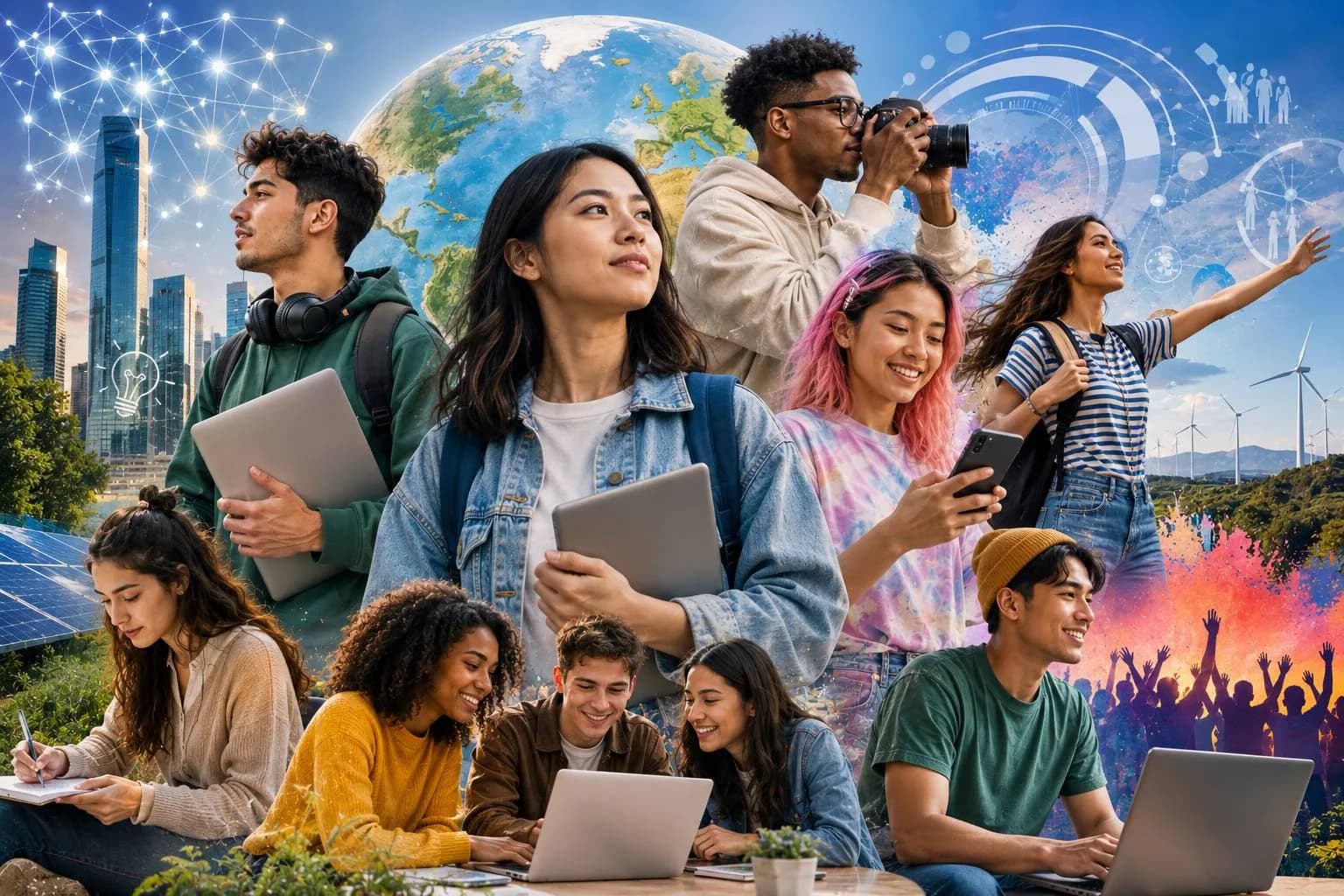
How Gen Z Is Redefining Global Trends
How Gen Z Is Quietly Rewriting The Rules Of Global Culture
What happens when the most connected generation in history starts shaping what people buy, watch, wear, believe and demand from brands? That shift is already happening, and Gen Z is now pushing global trends in a direction that older systems were never fully prepared for.
Closing Thought
The influence of Gen Z is not limited to viral videos or fashion choices. It is changing business models, workplace expectations, media habits, education, politics, technology and consumer behavior. The real winners will be brands, employers and governments that listen carefully, adapt honestly and avoid treating young people as a trend that will simply pass.
Quick Facts Box
- Gen Z is commonly defined as people born between 1997 and 2012.
- They make up around one-quarter of the global population.
- Their spending power is expected to reach about $12 trillion by 2030.
- Social platforms now influence how they shop, learn, work and form opinions.
Why Gen Z Has Become A Global Trend Engine
Gen Z grew up with smartphones, short-form video, online communities and constant access to information. Unlike older generations, they did not slowly adjust to the internet. They were shaped by it from the beginning.
This matters because their choices move quickly across borders. A fashion style from Seoul, a food trend from Dubai, a protest slogan from Europe or a meme from Pakistan can reach millions within hours.
In many cases, young people no longer wait for television, newspapers or traditional advertising to tell them what matters. They discover trends through creators, friends, comments, reels, live streams and online communities.
The Shopping Shift: From Big Brands To Real Proof
One of the biggest changes is how Gen Z shops. They still care about price, design and quality, but they also want proof. They check reviews, watch unboxing videos, compare alternatives and look for honest user feedback before buying.
This has made social commerce powerful. Platforms are no longer only places for entertainment. They have become search engines, product discovery tools and online marketplaces.
From experience, one common mistake people make is thinking young buyers are easy to influence. They are actually very quick at spotting fake hype. If a product looks overpromised or too polished, many will search for real customer reactions before trusting it.
Social Media Is Their New Search Engine
For many young users, search no longer starts with a traditional search bar. It starts with a video. If they want a restaurant, a phone review, a makeup tip or a travel guide, they often check short videos first.
This shift is changing how businesses reach customers. A shop with poor online visibility can lose buyers even if its product is good. A small creator, meanwhile, can push a product into global attention with one honest video.
This is why brands are investing more in creator partnerships. But the best results come when the content feels natural. Over-scripted promotions often fail because Gen Z values real experience over perfect marketing language.
Workplace Expectations Are Changing Fast
Gen Z is also redefining the workplace. They want income and career growth, but they also ask direct questions about mental health, skills, flexibility and purpose.
This does not mean they do not want to work hard. It means they want work to make sense. Many prefer clear feedback, learning opportunities and fair pay instead of vague promises about future growth.
Employers that ignore this shift may struggle to retain young talent. A strict office culture without mentorship, training or respect will not attract the strongest candidates for long.
The Financial Pressure Behind Their Choices
Many Gen Z consumers are not just chasing trends. They are making choices under financial pressure. Rent, education costs, food prices, transport and digital subscriptions all compete for the same limited budget.
Think of a young graduate earning their first salary. They may want a better phone, branded clothes and a social life. But they also need to pay bills, help family and save for emergencies. Their budget becomes like a phone battery at 20 percent. Every decision must be managed carefully.
This is why affordable alternatives, resale fashion, budget travel, digital side hustles and flexible learning are growing. These choices are not only about style. They are survival strategies in an expensive world.
Fashion Is Becoming More Personal And Less Formal
Gen Z fashion does not follow one clean rulebook. It mixes thrift, luxury, streetwear, local culture, digital aesthetics and comfort. A person can wear traditional clothing one day and global streetwear the next.
This has weakened the old idea that fashion must come only from elite brands. Today, a small designer can build a loyal audience through social media. A second-hand item can become stylish if it has the right look and story.
In many cases, young people are also more open about repeating outfits, buying used products and choosing comfort. This is a major change from older status-driven fashion habits.
Entertainment Is Now Short, Social And Interactive
Gen Z does not consume entertainment passively. They react, remix, comment, share and turn moments into trends. A song can become popular because of a dance clip. A drama can trend because of one emotional scene. A game can grow because streamers make it social.
This has changed the entertainment industry. Studios, musicians and creators now think about clips, fan edits and online conversation before a launch.
The lesson is clear. If content cannot travel across platforms, it may struggle to stay relevant. Young audiences want entertainment that feels shareable and participatory.
Values Matter, But Practicality Still Wins
Gen Z often talks about sustainability, fairness, diversity and authenticity. These values matter, especially when they choose brands, workplaces and public causes.
Still, practicality remains important. A young buyer may support eco-friendly products, but price still matters. A worker may want purpose, but salary still matters. A student may want quality education, but affordability matters too.
One common mistake people make is treating Gen Z as idealistic without limits. They are value-driven, but they are also realistic. They want better choices that fit real budgets.
How Gen Z Is Changing Education
Traditional education is also feeling pressure. Many young people still value degrees, but they also want short courses, certifications, online learning and practical skills.
They are more open to learning from YouTube, online academies, creators, bootcamps and digital communities. For them, skill proof can matter as much as a certificate.
This is a major signal for universities and training institutes. Students want education that leads to income, not only theory. Courses that connect learning with real work will have stronger demand.
What Businesses Should Learn
Businesses should stop treating Gen Z as one simple audience. A student in Karachi, a creator in London and a young worker in Jakarta may share digital habits, but their income, culture and daily problems are different.
The smartest brands will localize their message. They will use clear pricing, honest reviews, fast customer service and community-driven content.
They should also avoid fake activism. Young consumers can quickly identify when a brand uses social issues only for marketing. Trust is hard to win and very easy to lose.
What This Means For Pakistan
Pakistan has a large young population, which makes this shift especially important. Local businesses, media platforms, schools and employers cannot ignore youth behavior.
For Pakistani brands, the opportunity is huge. Short videos, creator-led marketing, local language content and affordable digital products can reach young audiences quickly.
For policymakers, the lesson is also serious. Young people need skills, jobs, safe digital spaces and affordable internet access. Without that support, a generation full of talent can become frustrated instead of productive.
Final Analysis
Gen Z is redefining global trends because it combines digital speed with real-world pressure. This generation wants convenience, identity, fairness, affordability and authenticity at the same time.
That combination is forcing brands, employers, educators and media companies to change. Old marketing, old workplace rules and old education models are no longer enough.
The next decade will show how powerful this shift becomes. Anyone trying to understand the future of culture, business or technology should start by watching how young people behave online and offline today.
Article Details
Category: Global
Published: 24 May 2026
Time: 3:57 am
Updated: 24 May 2026 at 4:02 am
Author: Pari Row
More Stories