India-Pakistan Dialogue Signals Return
India-Pakistan Dialogue Signals Return
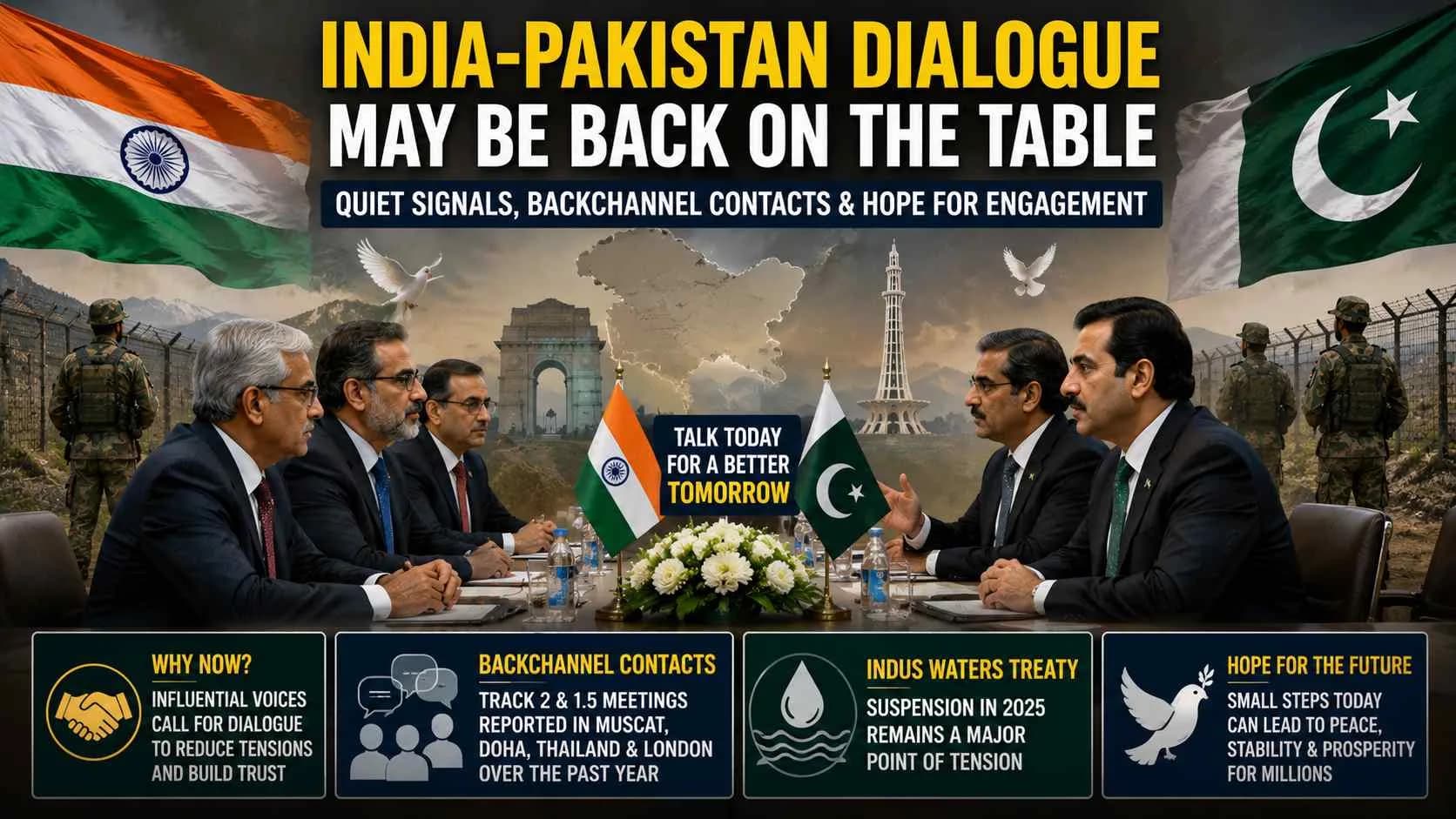
Quiet Signals Suggest India-Pakistan Dialogue May Be Back on the Table
Could India and Pakistan be moving toward talks without saying it out loud? Public statements remain tough on both sides, but recent unofficial signals, backchannel contacts, and comments from influential voices suggest the door to limited engagement may not be fully closed.
Closing Thought
Any possible return to dialogue between India and Pakistan will require patience, political courage, and careful messaging. Both countries face deep mistrust, security concerns, and domestic pressure. Still, even a small diplomatic opening can help reduce risks for millions of people who live with the cost of tension every day.
Quick Facts Box
- India and Pakistan fought a four-day conflict in May 2025.
- Unofficial Track 2 and Track 1.5 contacts have reportedly taken place over the past year.
- Meetings were reportedly held in Muscat, Doha, Thailand, and London.
- The Indus Waters Treaty remains a major point of tension after India suspended it in 2025.
A New Diplomatic Signal After Months of Silence
India and Pakistan are once again being watched closely by diplomats, analysts, and ordinary citizens across South Asia. The latest debate began after a senior figure linked to India’s ruling political ecosystem publicly said that New Delhi should remain open to talks with Pakistan.
That comment stood out because India’s official position has remained firm for years. New Delhi has often argued that talks and terrorism cannot move together. Pakistan, meanwhile, has repeatedly said it is ready for dialogue if India shows seriousness.
The important point is not that formal negotiations have started. They have not. The real story is that influential voices are again discussing the possibility of engagement, even while official statements remain cautious.
Why These Comments Matter
In diplomacy, timing often says more than the words themselves. The recent call for dialogue came after a year of tense relations following the 2025 conflict. Both countries claimed success after that confrontation, but the larger result was a colder relationship and fewer formal communication channels.
From experience, governments often test difficult ideas through unofficial voices before making any official move. This gives political leadership space to measure public reaction without immediately changing policy.
That is why comments from political-linked figures, retired military officers, and former diplomats matter. They may not represent official policy, but they can prepare the ground for future options.
Backchannel Contacts Add Weight to the Debate
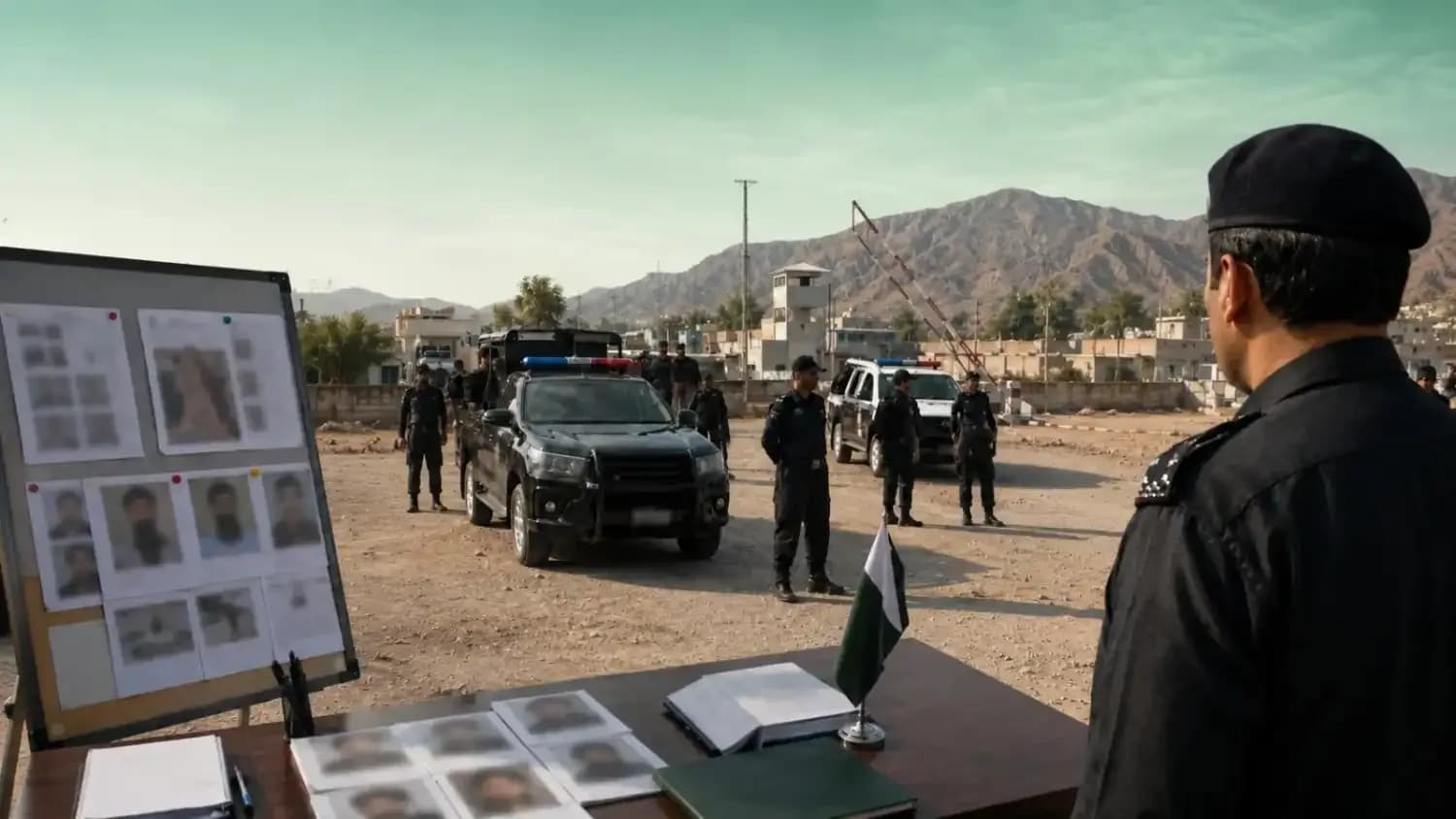
Reports suggest that informal meetings involving former officials, retired generals, intelligence-linked figures, parliamentarians, and civil society representatives have taken place over the past year. These contacts reportedly followed Track 2 and Track 1.5 formats.
Track 2 talks usually involve retired officials, experts, and civil society members. Track 1.5 meetings may include some serving officials alongside non-official participants. These formats are often used when direct talks are politically difficult.
The Public Mood Remains Complicated
One common mistake people make is assuming diplomacy is only about prime ministers and foreign ministers. In reality, public opinion, media pressure, military statements, trade losses, and border tensions all shape what governments can do.
In many cases, the burden of frozen ties falls on ordinary families. For example, when trade routes remain closed or visas become difficult, small traders, patients, students, and divided families pay the price. It is like a household delaying repairs because two family members refuse to speak. The damage keeps growing, even if everyone knows the repair is needed.
Why Formal Talks Are Still Difficult
Despite the fresh signals, a full diplomatic reset remains unlikely in the short term. India continues to link engagement with security concerns. Pakistan wants dialogue but also seeks movement on long-standing disputes, including Kashmir and water issues.
Recent military statements from both sides also show how fragile the environment remains. Strong public language may satisfy domestic audiences, but it makes quiet diplomacy harder.
Another major challenge is trust. Even if backchannel contacts continue, both governments will need clear benefits before moving toward formal talks. That could include border stability, humanitarian gestures, trade facilitation, or limited technical discussions.
Indus Waters Treaty Remains a Sensitive Flashpoint
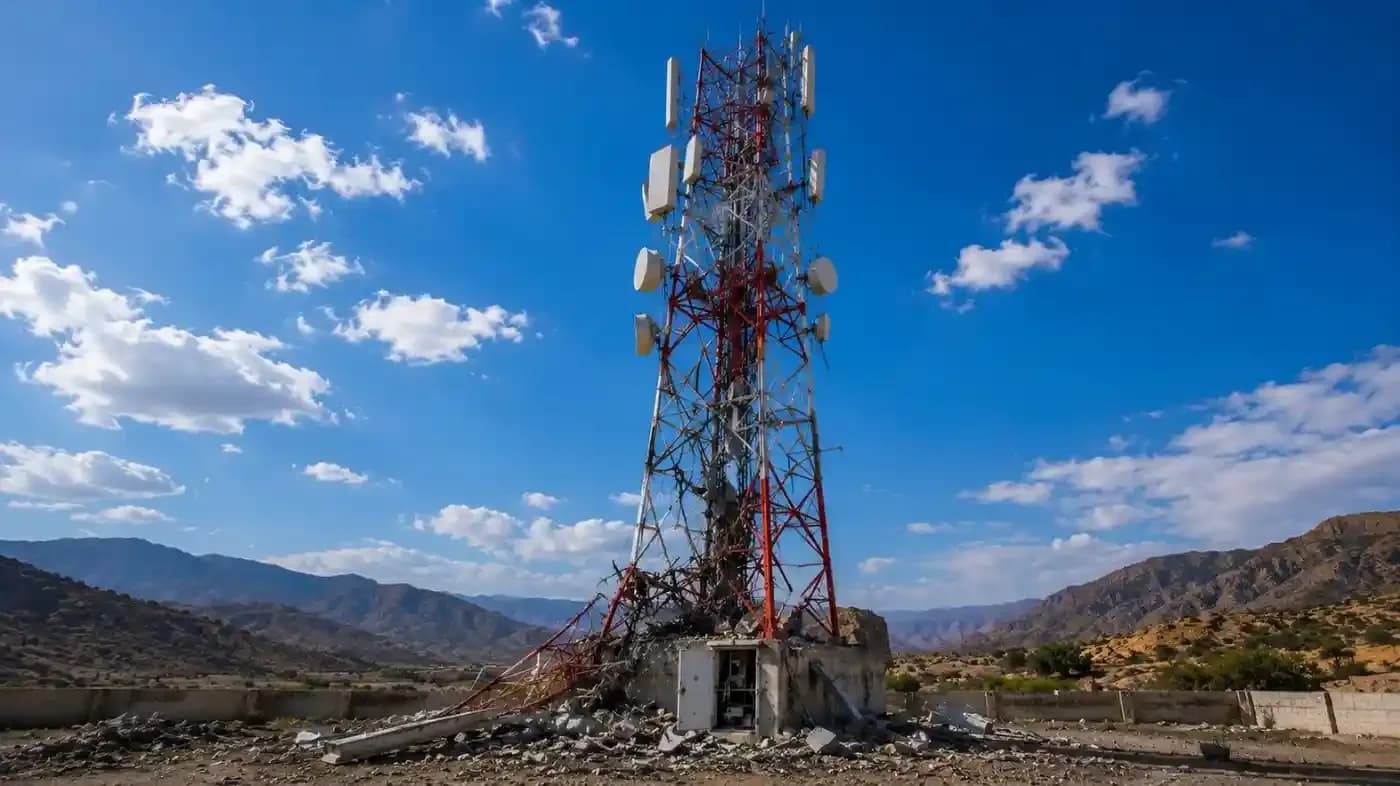
The water dispute adds another layer of urgency. The Indus Waters Treaty has long been one of the few agreements that survived several wars and repeated crises. Its suspension has raised serious concern because water security directly affects agriculture, food prices, and livelihoods.
Many investors overlook how regional tensions affect local economies. When water uncertainty rises, farmers delay planning, food supply chains become nervous, and markets start pricing in risk. This does not stay limited to foreign policy circles.
What Could Happen Next?
The most realistic first step would not be a grand peace announcement. It may be a small technical meeting, a humanitarian exchange, or a quiet restoration of communication between officials.
A phased approach is more practical. Both sides could begin with low-risk issues such as prisoner releases, medical visas, religious travel, and trade facilitation. These areas can build confidence without forcing either government into a major political concession.
Practical Signals to Watch
Readers should watch for three signs. First, whether official spokespersons soften their language. Second, whether backchannel meetings become more frequent. Third, whether technical-level engagement resumes on water, trade, or border management.
If these steps appear together, it may indicate that both countries are preparing for a limited diplomatic opening. If military rhetoric increases, the window may close again.
Final Analysis
India and Pakistan are not yet back at the formal negotiating table. However, the return of serious discussion around dialogue shows that both sides may understand the cost of permanent hostility. A cautious restart would not solve every dispute, but it could reduce the risk of another crisis. For South Asia, even limited communication is better than silence.
Article Details
Category: Pakistan
Published: 23 May 2026
Time: 4:36 pm
Updated: 23 May 2026 at 5:24 pm
Author: Muhammad Umer
More Stories