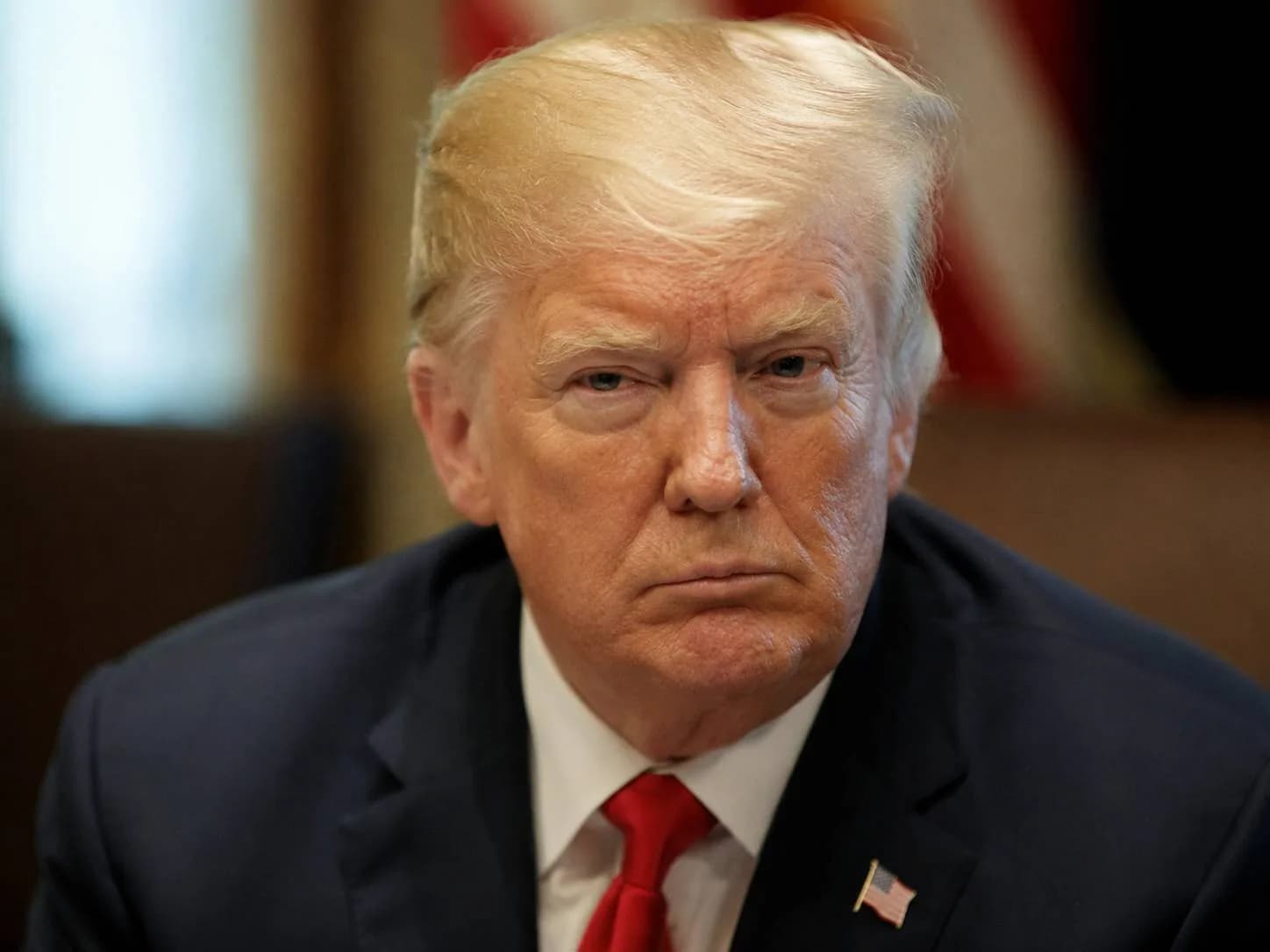
Iran deal largely negotiated, to be announced shortly: Trump
Trump Says Iran Deal Is Almost Ready As Region Waits For Major Announcement
Can one diplomatic announcement cool down one of the world’s most sensitive flashpoints? That is the question now facing Washington, Tehran, Gulf capitals and energy markets after Donald Trump said an Iran deal has been largely negotiated and may be announced shortly.
Closing Thought
The coming days may decide whether this framework becomes a serious diplomatic opening or another fragile pause in a long cycle of pressure and mistrust. For ordinary people, businesses and governments, the real test will not be the announcement itself. It will be whether the deal reduces risk, stabilizes energy flows and creates enough confidence for wider talks to continue without another military shock.
Quick Facts Box
- Trump said final details of the agreement are still being discussed.
- The Strait of Hormuz is a key focus because of its role in global oil movement.
- Regional players, including Gulf states and Pakistan, have been linked to diplomatic efforts.
- The deal is expected to focus first on de-escalation before deeper nuclear talks.
What Trump Claimed About The Iran Deal
Donald Trump has said that an agreement with Iran has been largely negotiated and that the remaining details may be announced soon. His remarks suggest that the talks have moved beyond simple contact and entered a more serious phase where wording, guarantees and timing matter.
The statement is important because Iran-related diplomacy rarely moves in a straight line. Even when both sides want to avoid escalation, public messaging, regional pressure and domestic politics can slow the process. In many cases, a deal is not only about what is written on paper. It is also about whether each side can present it as a win at home.
According to public reporting, the possible arrangement is linked to peace efforts, maritime security and the reopening of the Strait of Hormuz. That waterway matters far beyond the Middle East because energy markets react quickly when shipping routes look unsafe.
Why The Strait Of Hormuz Matters So Much
The Strait of Hormuz is one of the world’s most sensitive energy corridors. When there is tension around it, oil traders, shipping companies and governments immediately pay attention. Even the possibility of disruption can push fuel prices higher.
For families, this can feel very real. Think of a household already managing school fees, electricity bills and grocery costs. If fuel prices rise, transport becomes expensive, food delivery costs increase and daily commuting becomes heavier on the budget. A crisis far away can quietly enter the family’s monthly expense sheet.
From experience, one common mistake people make is assuming foreign policy only affects diplomats. It does not. A blocked shipping route, a sudden oil spike or a delayed cargo chain can affect petrol pumps, airline fares and business costs in many countries.
Main Points Under Discussion
The expected agreement appears to be built around immediate stability rather than solving every dispute at once. That approach is common in high-pressure diplomacy. First, both sides try to lower the temperature. Then they create space for larger talks.
A Deal First, Bigger Questions Later
The most practical reading of Trump’s statement is that negotiators may be trying to separate urgent security issues from deeper political disputes. This means the first step may focus on stopping escalation, reopening routes and creating a diplomatic channel that does not collapse after one disagreement.
That does not mean the harder questions have disappeared. Iran’s nuclear program, sanctions, regional influence and security guarantees remain complicated topics. These are not issues that can be settled through one announcement or one phone call.
Still, the value of a limited agreement should not be ignored. In diplomacy, a small workable deal can sometimes prevent a larger crisis. The key is whether both sides are willing to follow through after the cameras move away.
Pakistan And Regional Mediation
Pakistan’s reported role in the diplomatic process is significant because Islamabad maintains relationships across several regional and international lines. For Pakistan, stability in the Gulf is not just a foreign policy matter. Millions of Pakistani workers live in Gulf countries, and remittances remain important for households back home.
Any disruption in the region can create uncertainty for workers, businesses and families. That is why regional peace efforts are watched closely in Pakistan. A calmer Gulf environment supports trade, employment and energy security.
Gulf countries also have strong reasons to support de-escalation. Their economies rely on stable shipping routes, investor confidence and predictable energy exports. A prolonged confrontation would hurt more than one capital.
What Could Change For Oil And Fuel Prices
Energy markets usually react before ordinary consumers notice anything. If traders believe shipping routes are safer, oil prices may soften. If they believe the deal is weak or unclear, prices can remain unstable.
For Pakistan and other import-dependent economies, this matters a lot. Fuel prices affect transport, electricity generation, manufacturing and food supply chains. When fuel becomes expensive, the burden rarely stays limited to car owners. It moves across the economy.
For example, a shopkeeper paying more for delivery may raise product prices. A student using public transport may spend more each week. A family running a generator during power cuts may cut other expenses to manage fuel costs. That is how a geopolitical crisis becomes a kitchen-table issue.
Why The Announcement Still Needs Caution
Trump’s words have created expectations, but a final deal still needs clear terms. Diplomacy can look positive from outside while negotiators continue to disagree over language. Words like “peace,” “framework” and “understanding” can mean different things to different sides.
Another challenge is trust. The United States and Iran have a long history of broken confidence. Each side may demand guarantees before taking visible steps. In many cases, the most difficult part is not reaching a draft. It is implementing it without one side accusing the other of bad faith.
There is also the question of regional acceptance. Israel, Gulf states, Pakistan, Turkey and other stakeholders may not all read the agreement in the same way. A deal that calms one front could still face criticism from another.
What Readers Should Watch Next
Readers should focus on four things when the deal is announced. First, check whether the Strait of Hormuz is clearly addressed. Second, see whether sanctions, port access or shipping guarantees are mentioned. Third, look for any timeline for future nuclear talks. Fourth, watch whether Iran and regional countries confirm the same details.
One common mistake people make is reacting only to the headline. The real meaning is usually hidden in the terms. A strong agreement will include practical steps, timelines and responsibilities. A weak one may rely on broad language without clear enforcement.
Businesses should also watch fuel and shipping updates. Importers, logistics firms and manufacturers may need to prepare for short-term price swings even if the diplomatic mood improves.
Possible Impact On Pakistan
Pakistan may benefit from any reduction in regional tension. Lower energy risk can support import planning and reduce pressure on foreign exchange needs. It can also help overseas Pakistani workers in Gulf countries feel more secure about jobs and travel.
At the same time, Pakistan should avoid overreading the announcement before details are public. A diplomatic breakthrough is useful, but markets and governments need proof of implementation. The safest approach is cautious optimism.
For Pakistani readers, the biggest practical takeaway is simple. If the deal holds, it may reduce pressure on global energy markets. If it fails, uncertainty could return quickly. That is why this announcement matters beyond Washington and Tehran.
Final Analysis
The reported progress on the Iran deal shows that all sides may be looking for an exit from a dangerous phase. Trump’s statement has raised expectations, but the final document will decide whether this is a real turning point or just another temporary pause.
A strong agreement would not solve every dispute overnight. It could, however, reduce immediate risk, reopen diplomatic space and protect global energy movement from further shocks. For ordinary people, that could mean fewer sudden fuel pressures and more predictable costs in the weeks ahead.
The world will now wait for the official announcement. Until then, the smartest position is balanced: welcome diplomacy, read the fine print and judge the deal by what it delivers on the ground.
Article Details
Category: Global
Published: 24 May 2026
Time: 3:10 am
Author: Pari Row
More Stories