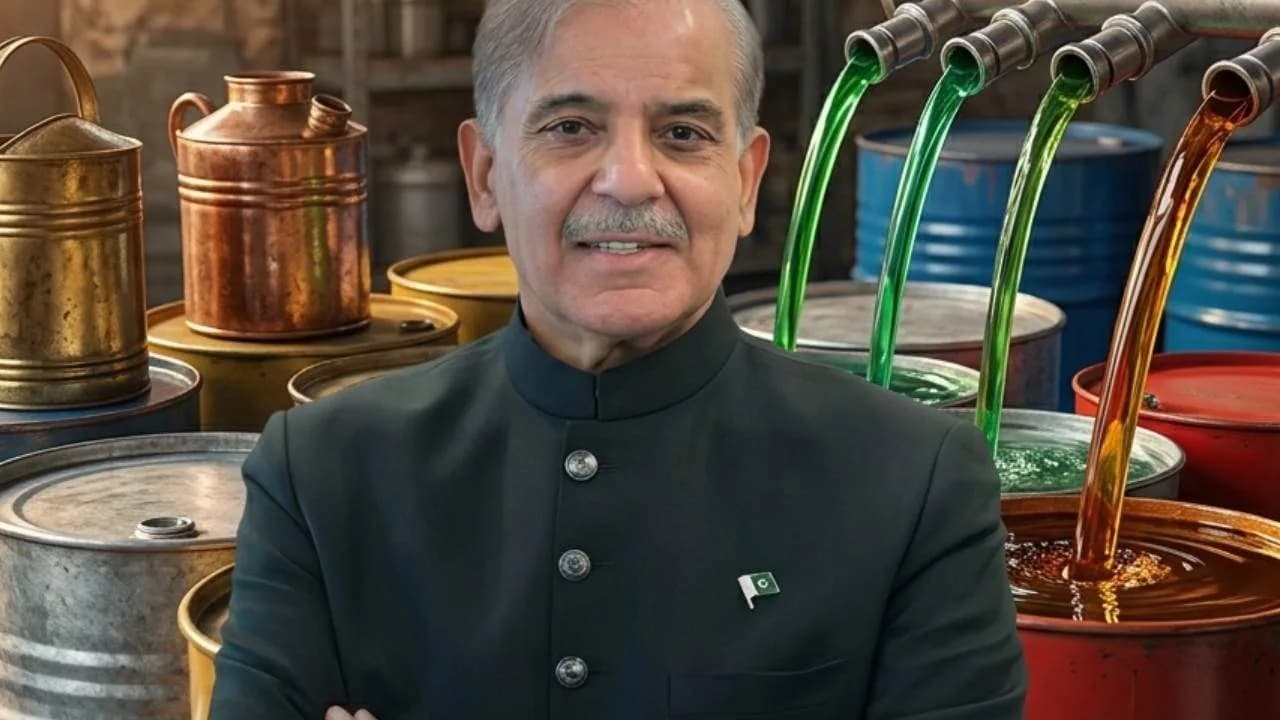
Kerosene Oil Price Increased To Rs313.44 Per Liter
Kerosene Oil Price Climbs To Rs313.44 Per Liter, Adding Pressure On Households
How much more can daily expenses stretch before families begin cutting essentials? That question is becoming more common as the price of kerosene oil in Pakistan has climbed to Rs313.44 per liter, increasing the burden on lower and middle-income households already struggling with rising utility and transport costs.
The latest increase has sparked concern among consumers who rely on kerosene for cooking, heating, and lighting, especially in areas where gas infrastructure remains limited. In many rural and mountainous regions, kerosene is still considered a basic household necessity rather than an optional fuel.
Why The Latest Kerosene Price Increase Matters
Kerosene may not dominate headlines like petrol or electricity tariffs, but its impact on household budgets is often more direct. Families using kerosene daily now face a difficult balancing act between fuel expenses and other essentials such as groceries, school fees, and transport.
From experience, one common mistake people make is underestimating how fuel price hikes quietly increase costs across multiple areas of life. When fuel becomes expensive, transportation charges rise, delivery costs increase, and even small businesses adjust prices to survive.
For many families, buying kerosene today feels similar to filling a leaking bucket. No matter how carefully expenses are managed, money disappears faster than expected.
Impact On Rural Communities
In remote parts of Pakistan, kerosene remains widely used due to limited access to natural gas and stable electricity. The latest increase is expected to hit these regions harder than urban centers where alternatives are more accessible.
Small shopkeepers, roadside food vendors, and low-income households are among the most affected groups. In many cases, these users have little flexibility to switch to alternative energy sources because of upfront equipment costs.
Experts have often pointed out that energy inflation affects vulnerable populations first. Even a small increase per liter can significantly change monthly household spending patterns.
Quick Facts About The New Kerosene Price
- Kerosene oil price increased to Rs313.44 per liter
- The fuel is commonly used for cooking and heating in remote areas
- Low-income households are expected to feel the strongest impact
- Transport and small business operating costs may also increase
Latest Fuel Price Snapshot
| Fuel Type | Updated Price | Expected Impact |
|---|---|---|
| Kerosene Oil | Rs313.44 Per Liter | Higher household fuel expenses |
| Transport Operations | Indirect Cost Increase | Possible fare and delivery hikes |
| Small Businesses | Operating Costs Rising | Pressure on profit margins |
What Consumers Can Do To Reduce The Burden
While fuel prices remain outside the control of ordinary citizens, there are still practical ways households can manage rising costs more effectively.
One approach is reducing unnecessary fuel consumption through better storage and controlled daily usage. Many households lose fuel efficiency simply because of outdated stoves or poor maintenance.
Another useful step is bulk purchasing during stable price periods, although this is only practical for families with available cash flow and safe storage options.
Small business owners who depend on kerosene-powered equipment may also need to review operating hours and energy usage patterns to avoid waste. Even modest efficiency improvements can make a difference over time.
Broader Economic Pressure Continues
The increase in kerosene prices comes at a time when inflation continues to influence nearly every sector of the economy. Food items, transportation services, and utility bills have already placed significant pressure on consumers over the past several months.
Analysts believe persistent energy price increases could slow consumer spending further, particularly among lower-income groups. When more income is spent on fuel and essentials, less money remains for education, healthcare, and savings.
In urban areas, some households may gradually shift toward alternative energy sources. However, for millions of Pakistanis, especially in underserved regions, kerosene remains a daily requirement rather than a lifestyle choice.
Closing Thought
The rise in kerosene oil prices to Rs313.44 per liter highlights the growing challenge of managing household energy costs in Pakistan. As inflation reshapes spending habits across the country, consumers are increasingly searching for practical ways to protect their monthly budgets. The coming months may determine whether energy costs stabilize or continue placing additional strain on everyday life.
Article Details
Category: News
Published: 23 May 2026
Time: 11:57 am
Author: Muhammad Anus
More Stories