For weeks, global shipping firms and oil traders watched the Strait of Hormuz with real worry. Every vessel passing through that narrow waterway was facing extra charges, and tensions between the US and Iran made the route even more expensive and unpredictable. Now there's relief. Pakistan's Deputy Prime Minister and Foreign Minister, Ishaq Dar, has confirmed that no transit or service fees will apply in the Strait of Hormuz for the next 60 days. This announcement comes at a time when the region desperately needed some good news, and it signals a broader diplomatic shift that could reshape Middle East negotiations for months to come.
Pakistan Announces 60-Day Waiver on Strait of Hormuz Charges
No transit or service fees during the period
Dar made it clear that both categories of charges are waived for the full 60-day window. This means ships moving through the Strait of Hormuz won't pay transit fees or service charges during this period.
For shipping companies and oil exporters, this is a meaningful financial break. The Strait of Hormuz handles a massive share of global oil traffic, so even temporary fee waivers can ease pressure on already strained supply chains.
Related News
Sindh Bans Use of Government Number Plates on Private Vehicles
Confirmation by Ishaq Dar in Al Arabiya interview
The announcement was made during an interview with Al Arabiya TV, where Dar laid out the details directly. He didn't leave room for ambiguity, confirming twice that both transit and service fees are off the table for now.
This kind of direct, on-record confirmation from a senior official adds weight to the announcement and gives markets a clear signal to work with.
Pakistan's Role in US–Iran Dialogue Process
Efforts to bring both sides to negotiations
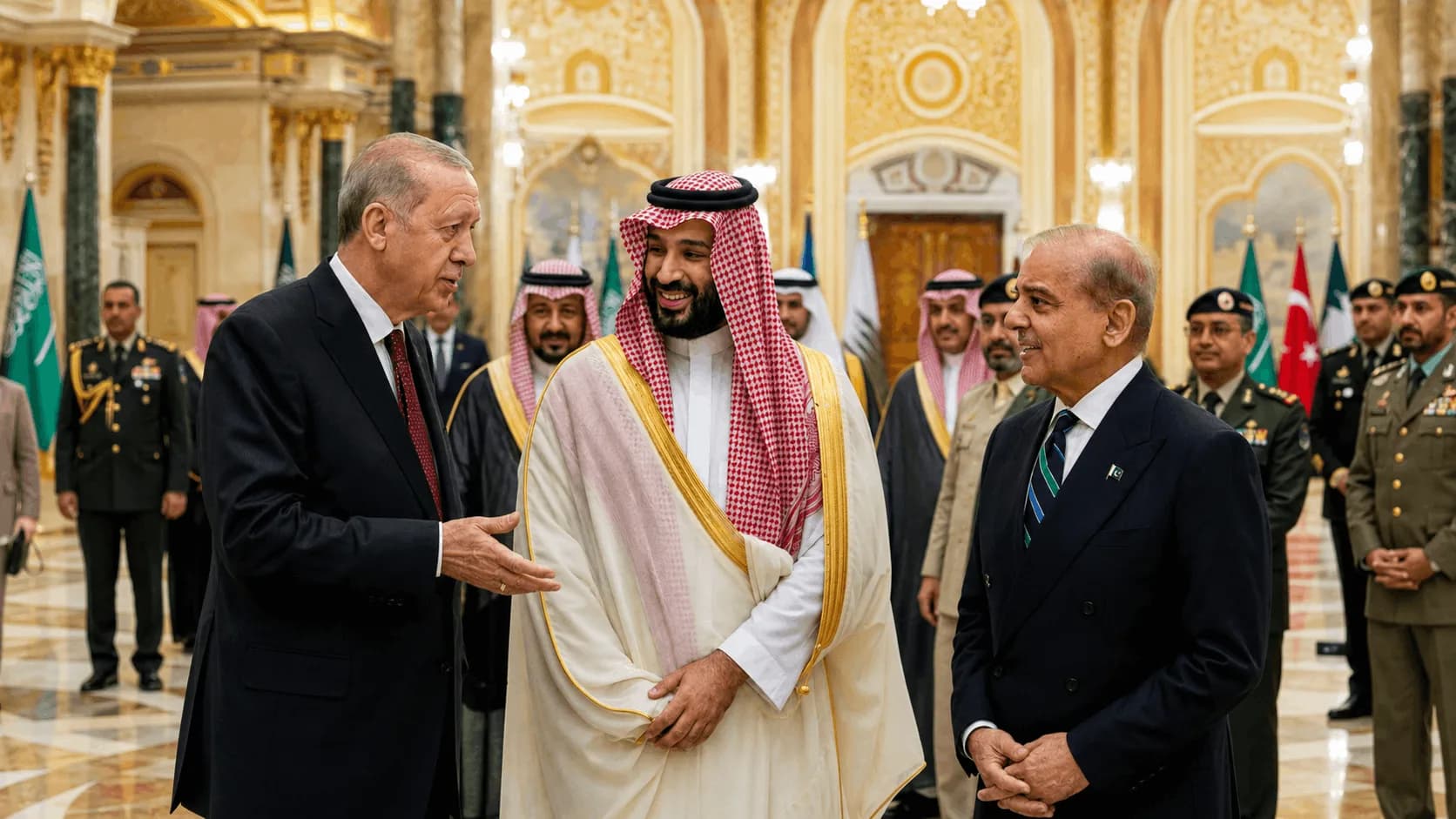
Dar stated that Pakistan succeeded in bringing the United States and Iran to the same table for the first time in 47 years. That's no small claim, and it reflects months of quiet diplomatic groundwork.
In many cases, mediation efforts like this take years to bear fruit. The fact that Pakistan managed to get both sides talking again says a lot about the persistence involved.
Cooperation with international partners
Dar credited close coordination with partners and allies for the success of these mediation efforts. He didn't name every country involved, but the message was clear: this wasn't a solo effort.
From experience, multilateral mediation tends to work better when there's a trusted third party involved, and Pakistan appears to have played exactly that role here.
US–Iran Talks and Mediation Developments
First high-level engagement in 47 years
Dar described the previous US-Iran conflict as devastating, pointing to its serious negative impact on the global economy. That framing matters because it explains why this round of talks carries so much weight.
One common mistake people make is assuming diplomatic breakthroughs happen overnight. In reality, this kind of high-level engagement after nearly five decades reflects a slow, careful build-up.
Pakistan and Qatar as mediating states
Pakistan isn't working alone here. Qatar has also stepped in as a mediating state, alongside Pakistan, helping structure the framework for ongoing talks between Washington and Tehran.
Mediating Party | Role in Talks |
|---|---|
Pakistan | Lead mediator, fee waiver announcement, coordination with allies |
Qatar | Co-mediator, announced launch of Switzerland talks |
United States | Primary negotiating party |
Iran | Primary negotiating party |
Technical Committees in Ongoing Negotiations
Nuclear-related discussions
According to Dar, three technical teams are currently engaged in talks. One of these teams is focused specifically on the nuclear file, which has historically been the most sensitive part of US-Iran relations.
Nuclear negotiations are rarely simple. From experience, this is usually the slowest-moving part of any broader agreement, since both sides tend to guard their positions closely.
Frozen funds and Lebanon situation
The other two technical teams are working on frozen funds and the situation in Lebanon. Dar said these committees are actively trying to resolve outstanding issues as part of the wider negotiation framework.
Lebanon's inclusion here is notable. It suggests the talks aren't limited to bilateral US-Iran issues but extend into regional stability concerns too.
Qatar's Announcement on Switzerland Talks
Launch of "Lake Lucerne Summit"
Qatar's foreign ministry confirmed the official launch of the "Lake Lucerne Summit" in Switzerland. This marks a formal, structured platform for the ongoing dialogue rather than informal back-channel talks.
Choosing a neutral location like Switzerland for this kind of summit is a familiar diplomatic move, and it often helps both sides feel more comfortable engaging openly.
Participation of US, Iran, Qatar, and Pakistan
The high-level committee includes representatives from the United States, Iran, and the two mediating states, Qatar and Pakistan. This four-party structure reflects how seriously all sides are treating this round of negotiations.
If this momentum holds, the next 60 days could turn out to be a real turning point for both regional stability and global shipping costs.
[Source.arynews]
Entertainment Article
Topics in this story
Article Details
Category: News
Published:
Updated:
Author: Usama Haider
More Stories