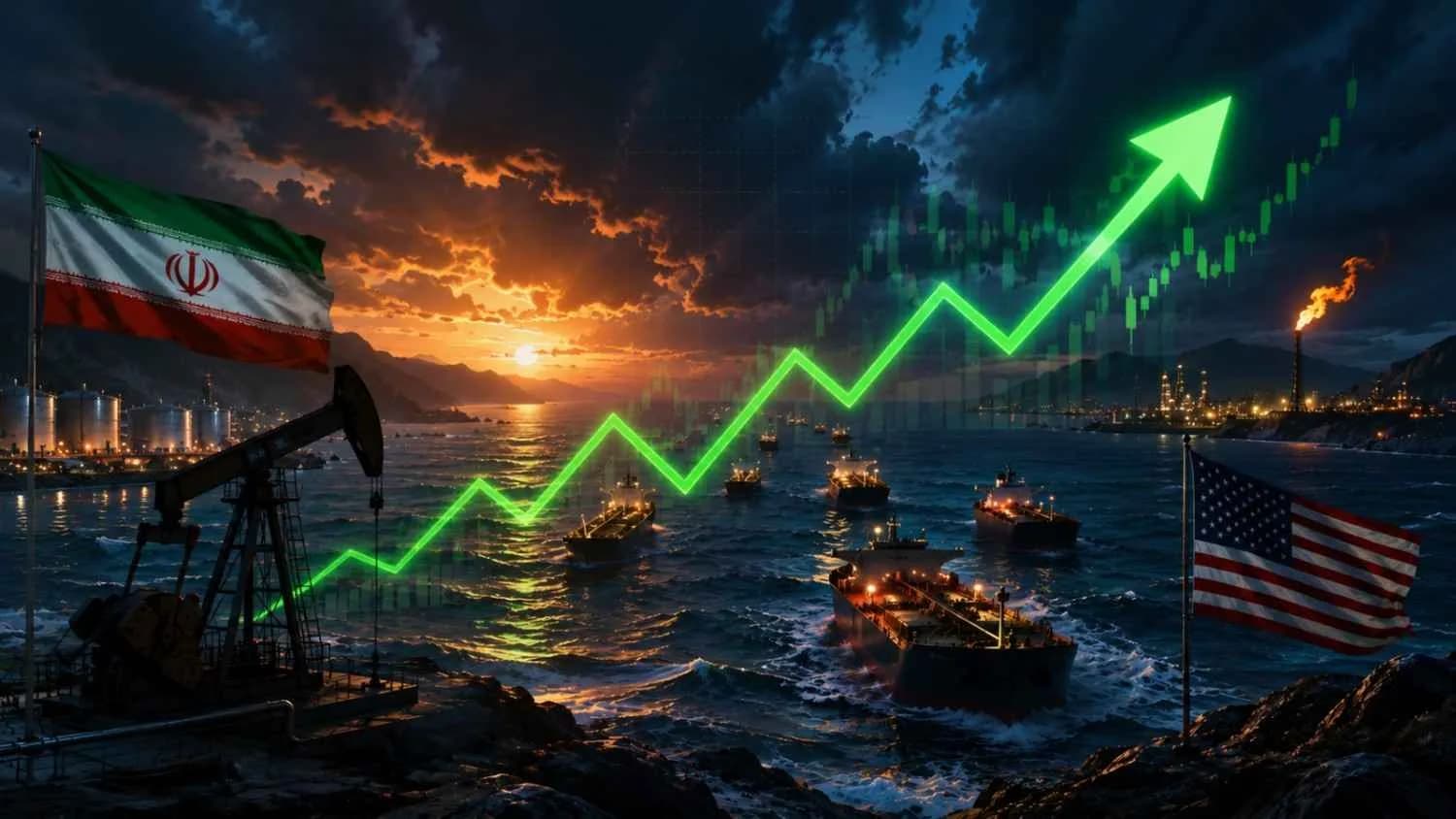
Oil Markets Turn Uneasy as Prices Edge Higher Amid Global Volatility
Ever wondered why fuel prices at the pump change so quickly even when global news feels uncertain? That confusion has a simple answer: global oil markets rarely move in a straight line. Recently, crude prices edged higher again as traders reacted to shifting supply expectations, geopolitical concerns, and uneven demand recovery across major economies.
Global Oil Momentum Regains Strength
Oil prices saw a modest rise in recent trading sessions as investors weighed tightening supply conditions against unpredictable demand signals. Market sentiment shifted after reports suggested production adjustments from key exporting nations, while refinery activity in major consuming regions remained uneven.
From experience, energy markets often behave like a pendulum. When supply fears dominate, prices climb quickly, even if demand has not fully recovered. This pattern has been visible again, as traders responded to a mix of economic data and global uncertainty.
Supply Concerns Keep Traders Alert
One common mistake people make is assuming oil prices only depend on demand. In reality, supply disruptions often play a bigger role in short-term price movements. Even small production cuts or logistical bottlenecks can push prices higher within hours of trading.
Recent market activity reflected this sensitivity. Investors monitored output decisions from major producers while also tracking global shipping routes and storage levels. These combined pressures helped push prices upward, even without a major spike in consumption.
Impact on Global Consumers and Inflation
Rising oil prices do not stay confined to trading screens. They eventually reach households through fuel costs, transport fares, and everyday goods. When crude becomes more expensive, businesses often pass on those costs, creating a ripple effect across the economy.
For example, a family that budgets carefully for monthly travel expenses may notice that even a small fuel increase forces them to cut back on other essentials like dining out or leisure activities. This is how global oil volatility quietly affects daily life, even for those far removed from financial markets.
| Factor | Market Impact | Consumer Effect |
|---|---|---|
| Supply Cuts | Pushes prices higher | Increases fuel cost |
| Weak Demand | Limits price growth | Stabilizes inflation pressure |
| Geopolitical Tensions | Creates volatility | Unpredictable fuel pricing |
Market Volatility Remains a Key Driver
Oil trading continues to be highly sensitive to global headlines. A single policy update or unexpected economic report can shift market direction within minutes. This volatility keeps investors cautious while also creating short-term opportunities for traders.
In many cases, price movements are not driven by long-term fundamentals alone but by sentiment and expectations. That is why even stable demand periods can still see sudden price spikes when uncertainty rises.
Outlook for the Coming Weeks
Looking ahead, energy markets are likely to remain reactive rather than stable. Traders will continue watching production policies, inventory data, and global economic indicators for direction. Any imbalance between supply and demand could quickly reshape pricing trends again.
At the same time, inflation concerns remain tied closely to energy costs. Central banks and policymakers are expected to monitor oil movements carefully, as sustained increases could influence broader economic decisions.
The next phase of the market will likely depend on whether supply stability improves or whether new disruptions emerge. Until then, volatility is expected to remain a defining feature of global oil trading.
Article Details
Category: Business
Published:
Author: Muhammad Anus
More Stories