Quick Answer
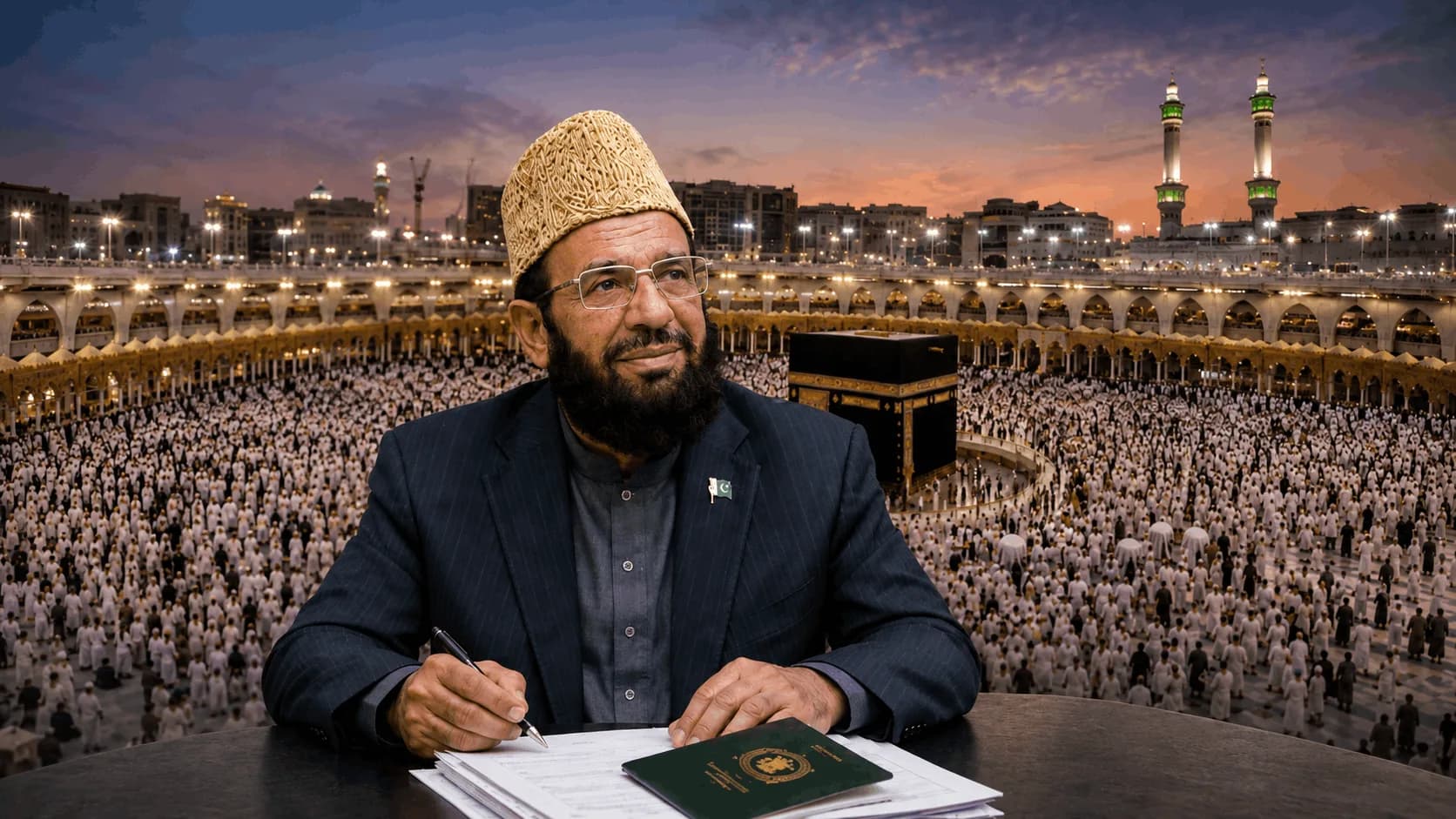
Pakistan has allocated 30,000 seats for the Short Hajj Scheme 2027, Federal Minister for Religious Affairs Sardar Muhammad Yousaf has announced. Applications and first payments will begin on August 17, 2026, and short Hajj seats will be offered on a first-come, first-served basis. The short package is expected to last around 20 to 25 days and cost Rs1.3 million, while the longer government package will cost around Rs1.2 million. Pilgrims will initially pay 50 percent of the package amount, with the second payment scheduled for October.
Pakistan has started preparations for Hajj 2027 with new digital services, revised payment arrangements and separate quotas for government and private pilgrims.
Sardar Muhammad Yousaf shared the latest details at a press conference in Islamabad, saying the government wants to make the Hajj application and payment process easier and more secure.
The government has also warned private Hajj applicants not to make direct payments to operators and to use only official digital channels.
Hajj 2027 Applications to Start on August 17
The first payment for Hajj 2027 applications will be accepted from August 17, 2026.
According to Sardar Muhammad Yousaf, applicants will be required to deposit 50 percent of the cost of their selected Hajj package at the first stage.
The remaining amount will be collected in October.
The instalment system is designed to give pilgrims more time to arrange their expenses instead of paying the full package cost at once.
Applicants should make sure their registration details are correct before starting the final application and payment process.
Pakistan Reserves 30,000 Seats for Short Hajj 2027
The government has allocated 30,000 seats specifically for pilgrims who want to perform Hajj under the short-duration package.
These seats will be offered on a first-come, first-served basis.
Once all 30,000 places are booked, applications under the Short Hajj Scheme will close.
This means people interested in the shorter package may need to complete their application and payment early after the process opens on August 17.
The short Hajj option is aimed at pilgrims who cannot stay in Saudi Arabia for the longer duration offered under the regular package.
Short Hajj 2027 Package to Cost Rs1.3 Million
The Short Hajj 2027 package is expected to cost around Rs1.3 million per pilgrim.
Its planned duration is approximately 20 to 25 days.
The regular government Hajj package, covering around 40 days, has been priced at approximately Rs1.2 million.
This means the shorter option will cost around Rs100,000 more than the longer package.
The Ministry of Religious Affairs has announced the package amounts, but applicants should continue checking official updates in case final service details or payment instructions change before departure.
Pilgrims should also avoid relying on unofficial price lists shared on social media.
Government Hajj Scheme Gets 107,526 Seats
A total of 107,526 seats have been allocated for the Government Hajj Scheme 2027.
Demand could be high because around 400,000 people are expected to have registered for the upcoming Hajj process.
The number of registered applicants is much larger than the available government quota, making it important for eligible pilgrims to follow application deadlines and payment instructions carefully.
Registration alone does not guarantee a Hajj seat. Applicants still have to complete the required application and payment stages according to the official procedure.
Pakistan's Total Hajj 2027 Quota Stands at 179,210
Pakistan's total Hajj quota for 2027 stands at 179,210 pilgrims.
The quota has been divided between government and private Hajj schemes.
Under the announced distribution, 107,526 seats are available through the Government Hajj Scheme, representing 60 percent of the total quota.
The remaining 71,684 seats, or 40 percent, have been allocated to the Private Hajj Scheme.
The division gives pilgrims the option of choosing between government-managed arrangements and packages offered by approved private Hajj organizers.
Hajj 2027 Applications and Payments Go Digital
One of the biggest changes for Hajj 2027 is the wider use of digital services.
The Ministry of Religious Affairs has moved much of the application, package selection and payment process online.
Pilgrims will be able to use the Pak Hajj App and official online services instead of depending entirely on physical visits to banks or government offices.
Sardar Muhammad Yousaf said the digital system is intended to reduce long queues and make the process easier for applicants across Pakistan.
Pilgrims can now complete several important steps from home, including checking information and following payment instructions.
HBL to Facilitate Hajj 2027 Payments
Habib Bank Limited, or HBL, has been selected as the banking partner for the Hajj 2027 process.
More than 1,700 branches are expected to provide facilities to pilgrims across Pakistan.
Applicants who are unable to complete every step digitally will therefore have access to a wide physical banking network.
The banking arrangement is expected to cover the collection of Hajj payments and other related services.
Officials have said the aim is to make payments secure, transparent and easier to track.
Applicants should always use the official payment method mentioned by the Ministry of Religious Affairs rather than transferring money to personal or unofficial accounts.
Private Hajj Pilgrims Warned Against Direct Payments
The government has issued an important warning for people choosing the Private Hajj Scheme.
Pilgrims should not make direct payments to private Hajj operators.
Instead, all payments should be completed through the official system introduced for Hajj 2027.
The Ministry of Religious Affairs is using a more controlled digital process to improve financial transparency and reduce the risk of fraud or disputes.
Applicants should also make sure that the Hajj company they select appears on the government's approved list before paying any money.
This is especially important because unofficial agents or unapproved operators may not be covered by government protections.
25 Authorized Hajj Organizers Available Under Private Scheme
Private Hajj applicants will be able to choose from 25 authorized Hajj organizers under the official system.
Their packages and relevant information are expected to be available through the government-approved digital platform.
The Private Hajj Scheme has a total quota of 71,684 pilgrims.
Applicants should compare available packages carefully and check what services are included before making a final choice.
They should also keep digital records of their application, operator selection and payments.
Using an approved organizer does not remove the need to follow official payment rules.
Around 400,000 Pilgrims Expected to Be Registered
Around 400,000 prospective pilgrims are expected to be part of the Hajj 2027 registration pool.
Advance registration had already attracted hundreds of thousands of people before the final application phase.
It is important to understand the difference between registration and a confirmed Hajj booking.
Advance registration records a person's interest and basic details, while the final application process includes package selection, quota availability and payment.
A person who has registered should therefore still complete all required steps after the formal application process begins.
Pakistan Introduces Four-Year Hajj Policy for 2027-2030
Hajj 2027 is also being managed under Pakistan's new four-year Hajj policy covering 2027 to 2030.
The policy is intended to provide greater continuity and allow the government to plan services, contracts and digital systems over a longer period.
Under the new approach, prospective pilgrims can register within the multi-year framework instead of starting the full registration process from zero every year.
The policy also focuses on digital services, pilgrim training, complaints handling, financial monitoring and improved arrangements in Pakistan and Saudi Arabia.
A longer policy period may also help authorities negotiate and prepare Hajj services earlier.
Private Hajj System Gets Stricter Financial Controls
The government has introduced stronger monitoring of private Hajj bookings and payments.
Private organizers are expected to work through the official Hajj management system, which keeps records of bookings, quotas and financial transactions.
The changes are intended to make it easier for the Ministry of Religious Affairs to monitor the performance of private operators.
They can also help pilgrims keep a clear record of how much they have paid and which services they selected.
Private Hajj applicants should avoid verbal payment agreements and insist on completing every financial step through the approved system.
What Should Hajj 2027 Applicants Do Before August 17?
Prospective pilgrims should prepare their documents and review their registration details before applications open.
People interested in the Short Hajj Scheme should be particularly careful because only 30,000 places are available and seats will be given on a first-come, first-served basis.
Applicants should also arrange enough funds for the first payment, which will be 50 percent of their selected package amount.
They should use the Pak Hajj App, Ministry of Religious Affairs services or the officially designated banking network for the application process.
Private applicants should check that their chosen organizer is officially authorized and should never hand over money directly to an operator.
What Happens Next for Hajj 2027 Applicants?
The next major stage will begin on August 17 when first payments and applications open.
Short Hajj applicants will need to watch quota availability because applications will stop once the 30,000 seats are filled.
The second payment is scheduled for October, after which the government is expected to issue further instructions about training, travel arrangements, accommodation and other Hajj services.
Applicants should continue following the Ministry of Religious Affairs and official Pak Hajj channels for verified information.
With a large number of people expected to apply, completing each step correctly and using only official channels will be important for securing a Hajj 2027 booking and avoiding payment problems.
Frequently Asked Questions
1. When will Hajj 2027 applications start in Pakistan?
Hajj 2027 applications and first payments will begin on August 17, 2026.
2. How many seats are available for Short Hajj 2027?
Pakistan has allocated 30,000 seats for the Short Hajj Scheme 2027 on a first-come, first-served basis.
3. What is the cost of the Short Hajj 2027 package?
The Short Hajj package is expected to cost around Rs1.3 million and will cover approximately 20 to 25 days.
4. What is Pakistan’s total Hajj 2027 quota?
Pakistan’s total Hajj 2027 quota is 179,210 pilgrims, including both government and private Hajj schemes.
5. How many seats are available under the Government Hajj Scheme?
A total of 107,526 seats have been allocated for the Government Hajj Scheme 2027.
6. Can private Hajj pilgrims pay operators directly?
No. Private Hajj pilgrims have been advised to make payments only through the official digital system and not directly to private operators.
7. Which platform can pilgrims use for Hajj 2027 applications?
Pilgrims can use the Pak Hajj App and other official Ministry of Religious Affairs digital services for applications, payments and related updates.
Topics in this story
Article Details
Category: News
Published:
Updated:
Author: Rabia
More Stories