Pakistan Exports to EU Stay Slow Despite GSP+ Trade Advantages
Why are Pakistan’s exports to Europe still struggling even after years of special trade access? That question is becoming harder for exporters and policymakers to ignore as shipment growth remains weaker than expected.
Pakistan continues to enjoy duty-free or reduced-duty access to European markets under the GSP+ arrangement, but export momentum has not picked up at the pace many businesses hoped for. Textile exporters, manufacturers, and trade analysts say rising production costs, energy uncertainty, and weak diversification are limiting the country’s potential in one of its largest export destinations.
EU Market Still Important for Pakistan
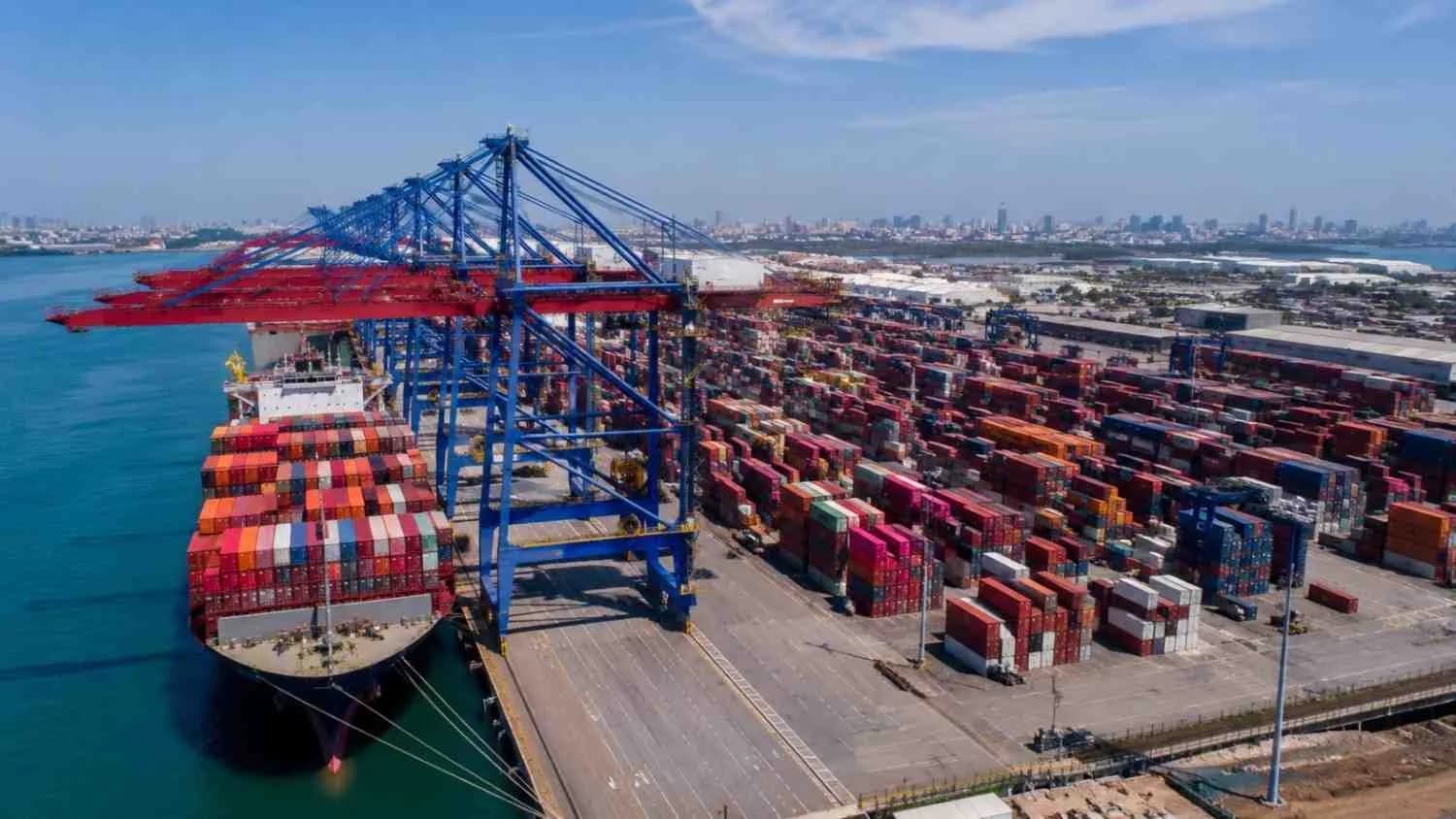
The European Union remains one of Pakistan’s biggest export partners, especially for textile and garment products. In many cases, local factories rely heavily on European buyers to keep production lines running throughout the year.
However, export growth has remained uneven. Industry insiders say businesses are facing a difficult environment where energy tariffs, financing costs, and currency fluctuations continue to pressure profit margins.
From experience, exporters often perform better when policies remain stable for several years. Frequent economic adjustments create uncertainty, particularly for small and medium-sized manufacturers trying to compete with regional rivals.
Textile Sector Faces Fresh Pressure
Pakistan’s textile industry still dominates exports to Europe, but dependence on a single sector has become a growing concern. One common mistake people make is assuming duty-free access alone guarantees higher exports. In reality, global buyers also focus on delivery timelines, product innovation, and pricing consistency.
Countries like Bangladesh and Vietnam have strengthened supply chains and invested heavily in value-added manufacturing. Pakistani exporters, meanwhile, continue to struggle with higher operational expenses.
For many factory owners, the situation feels similar to running a household where utility bills keep increasing while income stays the same. Families cut spending to survive, and businesses do the same by reducing expansion plans or delaying hiring.
Trade Numbers Reflect Slower Momentum
| Category | Current Situation |
|---|---|
| Main Export Sector | Textiles and garments |
| Largest Export Destination | European Union |
| Major Challenge | High production and energy costs |
| Long-Term Concern | Limited export diversification |
Experts Want Broader Export Strategy
Trade observers believe Pakistan needs to expand beyond traditional textile exports if it wants stronger long-term growth in Europe. Sectors such as information technology, processed food, pharmaceuticals, and engineering goods still hold untapped potential.
Businesses also want smoother customs procedures, stable energy pricing, and easier financing access. Without these reforms, exporters say the country may continue missing opportunities despite favorable trade access.
Many buyers in Europe are now prioritizing sustainability standards and supply chain transparency as well. Pakistani companies that adapt quickly could gain a competitive edge over the next few years.
Pakistan’s trade relationship with Europe still offers major opportunities, but market access alone is no longer enough. The next phase will depend on whether exporters can improve quality, reduce costs, and move toward higher-value products in an increasingly competitive global market.
Quick Facts
- EU remains among Pakistan’s largest export destinations
- Textiles continue to dominate export shipments
- Energy and financing costs remain key industry concerns
- Export diversification is still progressing slowly
Article Details
Category: Business
Published:
Author: Muhammad Anus
More Stories