Pakistan Faces Rising Food Import Bill as Costs Near $8 Billion in 10 Months
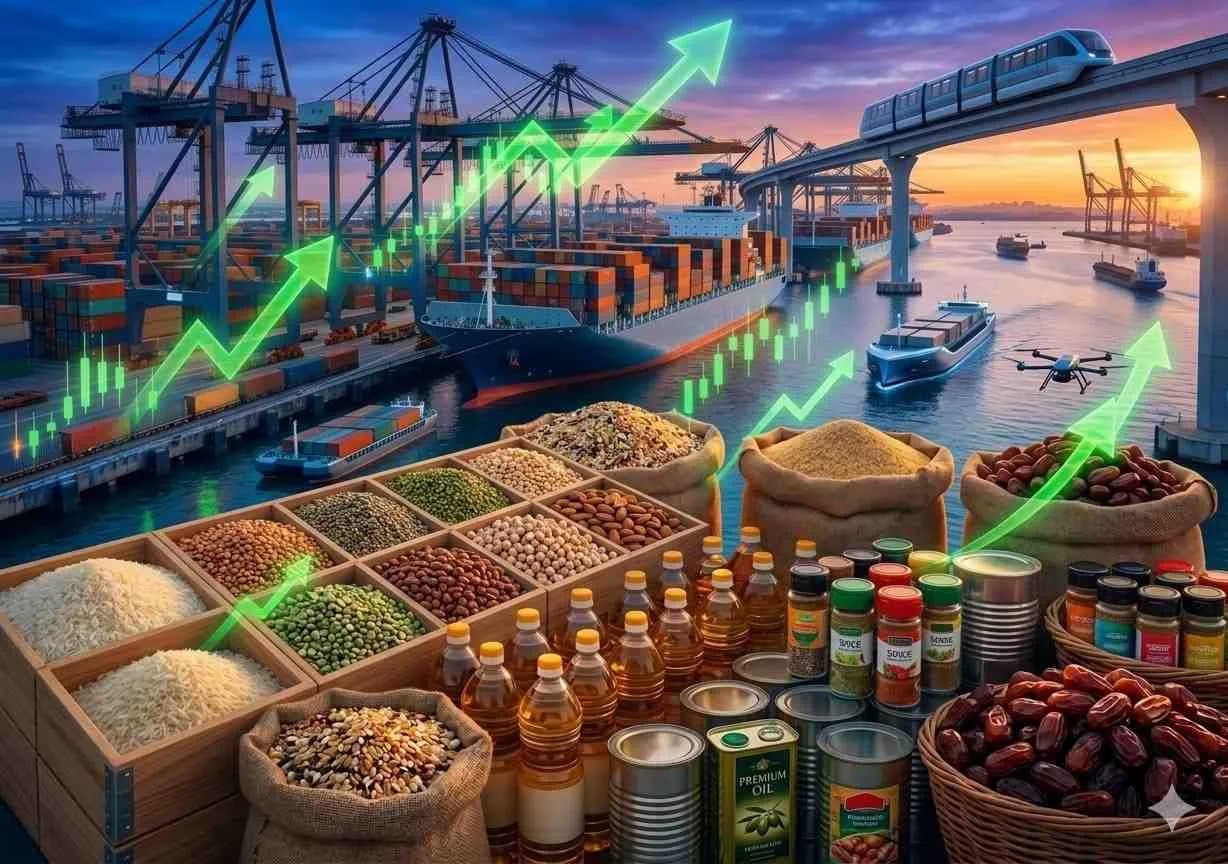
Is Pakistan spending too much on everyday food items that once came from local farms? The latest figures suggest a growing strain on the national food import bill, which has climbed close to $8 billion in just 10 months.
The surge highlights how dependency on imported essentials is reshaping household budgets and national trade dynamics in unexpected ways.
Quick Facts
- Food imports reached nearly $8 billion in 10 months
- Edible oil and grains remain top contributors
- Rising global prices are pushing import costs higher
- Demand for essential food items continues to grow
Rising Pressure on Food Imports
The steady rise in Pakistan’s food import bill reflects both global market volatility and domestic production gaps. Items like edible oil, pulses, and wheat-based products are increasingly being sourced from international markets to meet local demand.
In many cases, global supply disruptions and currency pressures have amplified the cost of bringing essential food items into the country.
Breakdown of Key Food Imports
| Category | Impact on Imports | Trend |
|---|---|---|
| Edible Oil | High share of import value | Rising steadily |
| Wheat & Grains | Driven by local supply gaps | Fluctuating |
| Pulses | Stable but costly imports | Moderate increase |
| Sugar & Others | Seasonal dependency | Unstable |
How This Affects Everyday Households
From experience, one common mistake people make is not noticing how global food prices quietly affect their weekly grocery bills. When import costs rise, retailers adjust prices almost instantly.
Think of it like a family budget where even a small increase in cooking oil or flour prices forces cuts elsewhere, such as fruits or protein intake. Over time, this creates real pressure on middle and lower-income households.
A Simple Real-World Comparison
Imagine a household that relies on imported groceries the same way a mobile user depends on monthly data packages. If the provider increases rates suddenly, the user has no choice but to either reduce usage or pay more. The same pattern is now visible in food consumption trends across many cities.
Economic Implications
The rising food import bill also signals broader economic challenges. Increased reliance on foreign supply chains puts additional pressure on foreign exchange reserves and can make price stability harder to maintain.
In many cases, policymakers focus on short-term import needs rather than long-term agricultural strengthening, which keeps the cycle of dependency ongoing.
Closing Thought
As food import costs continue to climb, the focus is slowly shifting toward improving domestic production and reducing external dependency. The coming months will be important in determining whether this trend stabilizes or places further strain on household affordability and national trade balance.
Article Details
Category: News
Published:
Author: Rabia
More Stories