Pakistan Gets Fresh Economic Breathing Space From China and Saudi Arabia
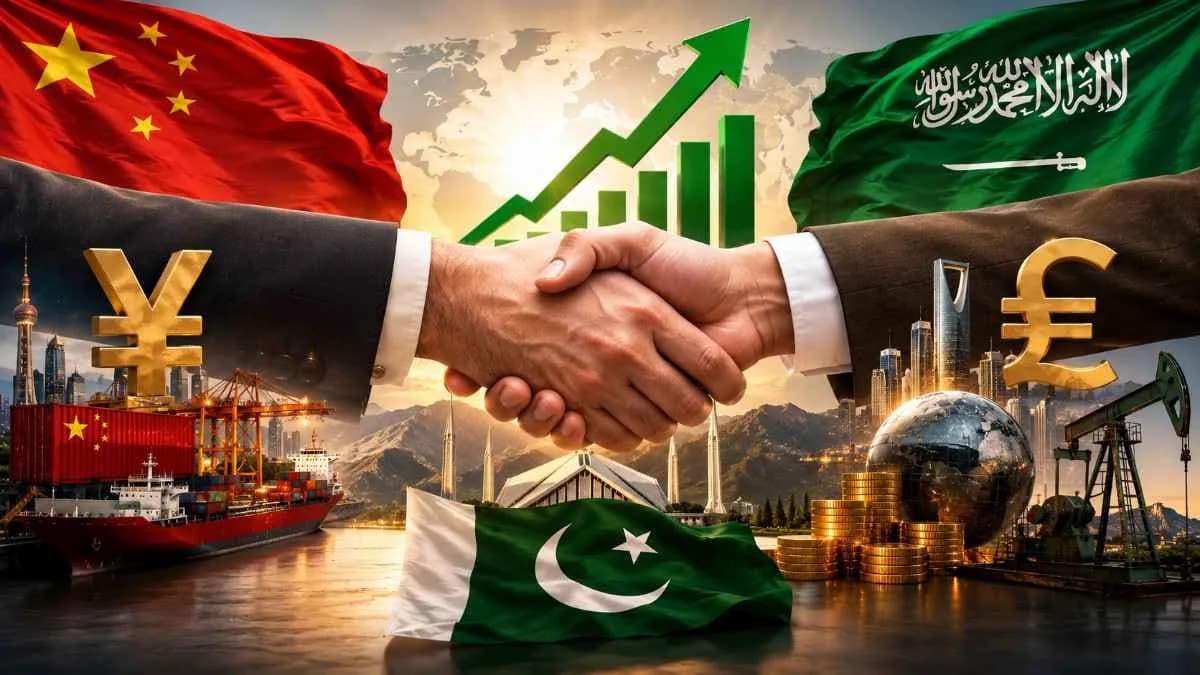
Can friendly support give Pakistan enough time to fix its economy at home? Fresh economic backing from China and Saudi Arabia has once again placed Pakistan’s external financing strategy in the spotlight as the country works to protect reserves and maintain investor confidence.
Saudi Support Strengthens Pakistan’s Reserves Position
Saudi Arabia has pledged additional financial support for Pakistan, including a fresh $3 billion commitment along with an existing $5 billion deposit arrangement. The support comes at a time when Pakistan is managing external repayments and trying to keep foreign exchange reserves stable.
This type of assistance matters because reserves act as a cushion for imports, debt payments, and currency confidence. When reserves improve, the pressure on markets can ease, although it does not remove the need for deeper reforms.
China Remains Central to Pakistan’s Financing Strategy
China continues to play a major role in Pakistan’s economic stability through financial cooperation, investment links, and CPEC-related engagement. Pakistan has also been seeking expanded financial support from China as part of its wider external financing plan.
In many cases, Pakistan relies on friendly countries to manage short-term pressure while it works through IMF-linked reforms. The challenge is to use this breathing space wisely rather than treating it as a permanent solution.
Key Support at a Glance
Why This Matters for Ordinary Households
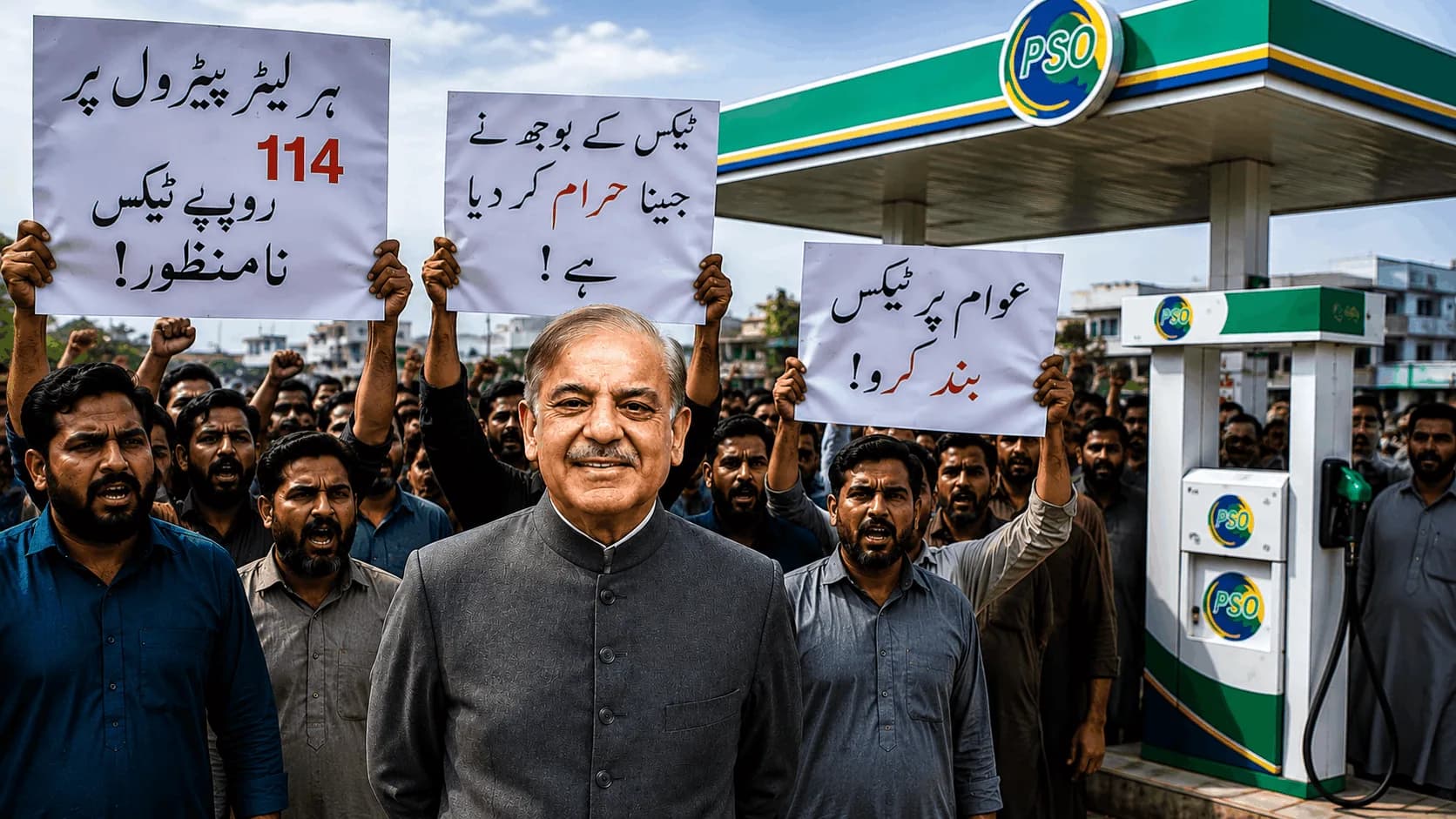
External financing may sound like a government issue, but it affects daily life. If reserves weaken, the rupee can come under pressure. That can make imported fuel, cooking oil, medicines, and machinery more expensive.
From experience, families feel this pressure like a monthly bill that keeps getting heavier. A small rise in fuel prices can raise transport costs, then grocery costs, and then school van charges. It works like a chain reaction inside the household budget.
Support Alone Will Not Fix the Economy
One common mistake people make is assuming foreign deposits or rollovers solve the economic problem. They help Pakistan avoid immediate pressure, but they do not automatically increase exports, widen the tax base, or reduce circular debt.
The real test is how Pakistan uses this support. Better tax collection, lower wasteful spending, export growth, energy reforms, and transparent investment policies can turn short-term relief into long-term stability.
What Businesses Should Watch
Businesses should track exchange rate movement, import rules, interest rates, and IMF-related policy decisions. These factors can directly affect pricing, raw material costs, and investment planning.
Small businesses should also avoid over-borrowing during uncertain periods. A stable reserve position can improve confidence, but policy changes may still affect cash flow and operating costs.
Closing Thought
Economic support from China and Saudi Arabia gives Pakistan valuable time, but time only helps when reforms move forward. If the country uses this window to strengthen exports, improve governance, and attract real investment, the latest support can become more than temporary relief.
Quick Facts Box
- Saudi Arabia has pledged an additional $3 billion in support.
- An existing $5 billion Saudi deposit arrangement remains important.
- China continues to support Pakistan through finance and investment ties.
- The support can help ease pressure on reserves and market confidence.
Article Details
Category: Investment
Published:
Author: Muzamil Ahmad
More Stories