
Pakistan Military Marks Youm-e-Takbeer Resolve

Pakistan Military Marks Youm-e-Takbeer Resolve
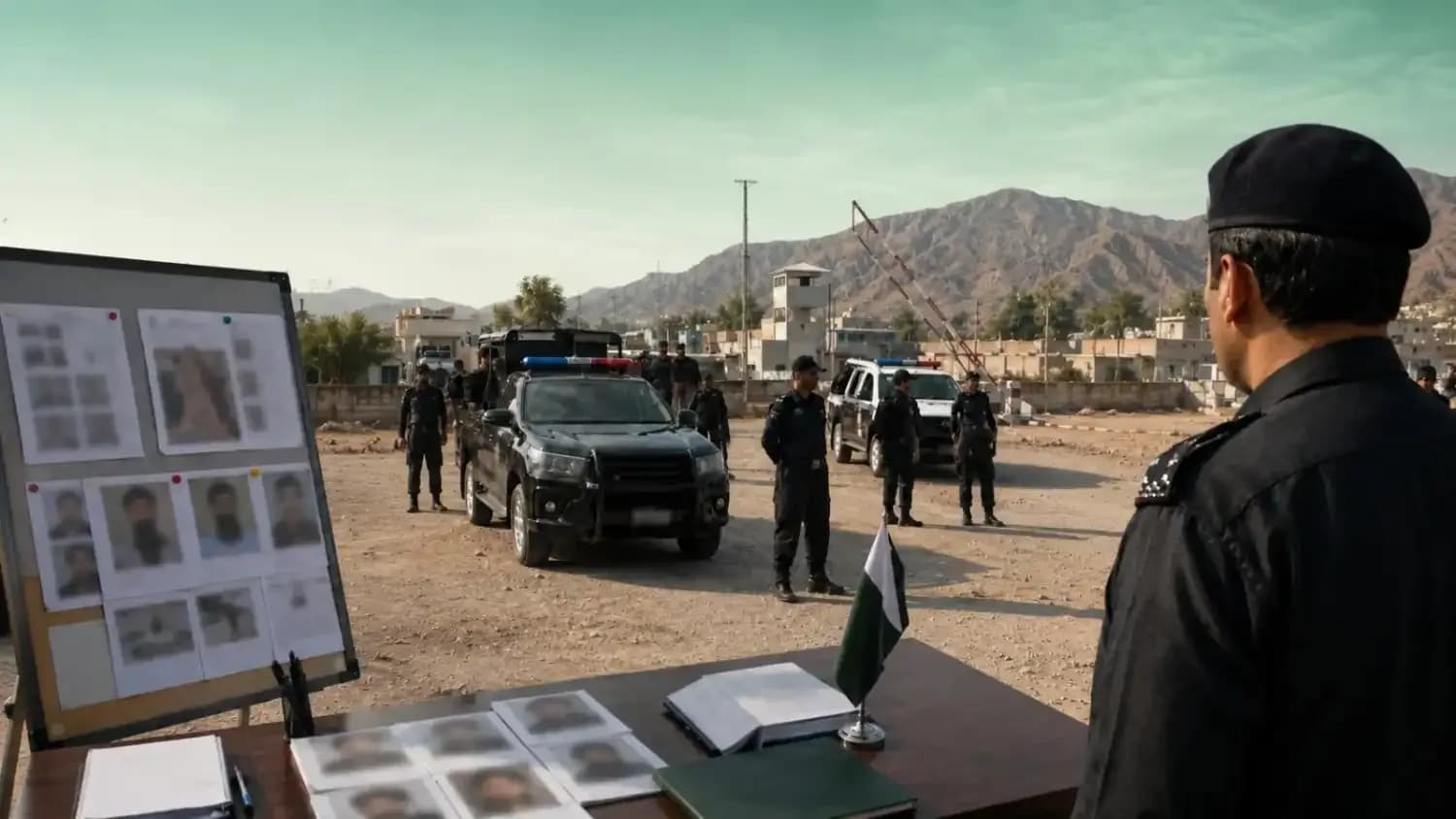
Pakistan’s Military Sends Strong Defence Message on Youm-e-Takbeer Anniversary
Can a single national milestone still remind a country why unity matters? Pakistan’s military leadership marked the 28th anniversary of Youm-e-Takbeer with a firm message of resolve, national vigilance, and commitment to defending the country against internal and external threats.
Closing Thought
Youm-e-Takbeer remains more than a date on the calendar. It is a reminder that national security depends on scientific progress, institutional discipline, and public unity. Pakistan’s future strength will depend on how consistently the country protects peace, stability, and responsible deterrence without losing focus on economic and social progress.
Quick Facts Box
- Youm-e-Takbeer marks Pakistan’s nuclear tests conducted on May 28, 1998.
- The 2026 anniversary marked 28 years since the Chagai tests.
- Pakistan’s top military leadership congratulated the nation through ISPR.
- The armed forces reaffirmed their commitment to national defence and sovereignty.
Key Details at a Glance
| Detail | Information |
|---|---|
| Occasion | Youm-e-Takbeer anniversary |
| Date Remembered | May 28, 1998 |
| Location of Nuclear Tests | Chagai, Balochistan |
| Message Focus | Defence, deterrence, unity, sovereignty |
What the Military Leadership Said
Pakistan’s senior military leadership extended congratulations to the nation on Youm-e-Takbeer and renewed the armed forces’ resolve to defend the country. The message came through ISPR and highlighted national security, territorial integrity, and credible deterrence.
Field Marshal Syed Asim Munir, Chief of Army Staff and Chief of Defence Staff, Admiral Naveed Ashraf, Chief of the Naval Staff, and Air Chief Marshal Zaheer Ahmed Baber Sidhu, Chief of the Air Staff, were named in the statement.
Why Youm-e-Takbeer Matters
Youm-e-Takbeer commemorates the day Pakistan conducted nuclear tests in Chagai in response to India’s earlier nuclear explosions. The development formally placed Pakistan among declared nuclear powers and changed the strategic balance in South Asia.
In many cases, national milestones are remembered only as history. Youm-e-Takbeer is different because it still shapes Pakistan’s defence policy, regional posture, and public understanding of strategic deterrence.
A Message of Deterrence and Responsibility
The armed forces described Pakistan’s strategic capability as a national trust linked to peace, stability, territorial integrity, and credible deterrence. The message avoided unnecessary escalation and focused instead on preparedness, responsibility, and national resilience.
From experience, deterrence works like a family keeping an emergency fund. The purpose is not to use it every day, but to ensure protection when uncertainty rises. For a country, strategic capability plays a similar role by discouraging aggression and supporting stability.
Public Unity Remains Central
The statement also connected the 1998 achievement with the role of scientists, engineers, leadership, the armed forces, and the people of Pakistan. One common mistake people make is to view national defence only through weapons. In reality, defence also depends on technology, education, discipline, public trust, and economic strength.
What This Means for Pakistan Today
The anniversary message comes at a time when regional stability remains sensitive and security challenges continue to evolve. Pakistan’s leadership used the occasion to underline vigilance against both internal and external threats while keeping the emphasis on peace and national honour.
For ordinary citizens, the message is also practical. National strength is not limited to borders. It includes responsible public debate, trust in institutions, respect for scientific progress, and awareness of the sacrifices behind major national achievements.
A Balanced Way Forward
Pakistan’s defence posture will remain a major part of national policy, but the long-term challenge is broader. A stronger Pakistan needs secure borders, stable institutions, better education, scientific advancement, and economic confidence moving in the same direction.
Final Thoughts
Youm-e-Takbeer remains a powerful reminder of Pakistan’s national resolve, scientific achievement, and defence capability. The latest message from the military leadership highlights that national security is not only about strength, but also about responsibility, unity, and long-term stability.
As Pakistan moves forward, the real challenge is to protect peace while investing in education, technology, economic progress, and institutional confidence. A secure country becomes stronger when its people and institutions move in the same direction.
Frequently Asked Questions
What is Youm-e-Takbeer?
Youm-e-Takbeer marks the day Pakistan conducted nuclear tests on May 28, 1998, in Chagai, Balochistan.
Why is Youm-e-Takbeer important?
It symbolizes Pakistan’s defence capability, strategic deterrence, and national sovereignty.
Who issued the latest message?
Pakistan’s top military leadership issued the message through ISPR.
What was the main message?
The main message was Pakistan’s firm resolve to defend the nation against internal and external threats.
Where were Pakistan’s nuclear tests conducted?
The nuclear tests were conducted in Chagai, Balochistan.
What does Youm-e-Takbeer represent today?
It represents national unity, scientific achievement, credible deterrence, and responsible defence strength.
Article Details
Category: Pakistan
Published: 28 May 2026
Time: 6:25 pm
Updated: 28 May 2026 at 6:37 pm
Author: Fiza Nisar
More Stories
Continue Reading


Stay Up To Date On The Latest News
By pressing the subscribe button, you confirm that you have read our privacy policy.