Pakistan’s Debt Load Climbs as Government Borrowing Reaches Rs 6.800 Trillion
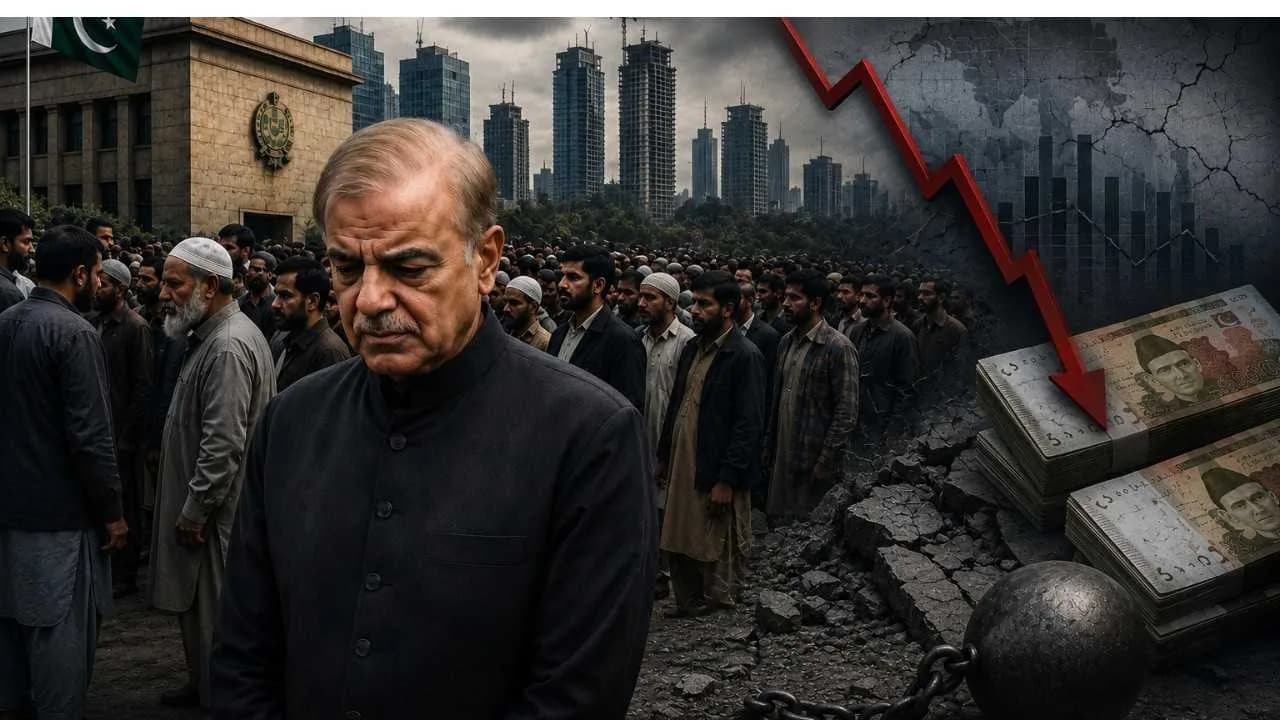
What does it mean for ordinary Pakistanis when government borrowing rises by trillions of rupees in a single fiscal year? The latest figures show Pakistan’s borrowing has reached Rs 6.800 trillion, highlighting the immense financial pressure facing the country as it balances economic growth, debt repayments, and development spending.
Quick Facts Box
- Pakistan's latest borrowing stands at Rs 6.800 trillion.
- Borrowing increased to support fiscal and financing requirements.
- Public debt servicing remains one of the largest government expenditures.
- Economic stability efforts continue amid revenue and spending challenges.
Why Pakistan’s Borrowing Continues to Rise
Governments borrow money for many reasons. These include financing development projects, covering budget deficits, repaying older loans, and managing short-term cash requirements. In Pakistan's case, rising debt obligations and increasing fiscal pressures have continued to push borrowing requirements higher.
In many cases, borrowing itself is not unusual. Most economies rely on debt to finance growth and infrastructure. The real concern emerges when debt grows faster than economic output or government revenues. That can make repayments increasingly difficult over time.
The Numbers at a Glance
| Indicator | Latest Figure |
|---|---|
| Total Borrowing | Rs 6.800 Trillion |
| Purpose | Budget Financing and Debt Management |
| Economic Impact | Higher Debt Servicing Obligations |
| Key Challenge | Balancing Growth with Fiscal Stability |
How This Affects Households and Businesses
For many families, the concept of trillions of rupees in borrowing can feel distant. Yet the effects often reach everyday life. Higher debt servicing costs can limit the amount of money available for public services, infrastructure projects, and development programs.
A useful way to understand it is to imagine a household using new loans each year to pay off previous debts while also covering monthly expenses. Eventually, a larger share of income goes toward repayments rather than improving living standards. Governments face a similar challenge when debt obligations continue to expand.
From experience, one common mistake people make is assuming all government borrowing is harmful. Strategic borrowing can fund roads, energy projects, and economic reforms that generate long-term benefits. The challenge lies in ensuring borrowed funds create value that exceeds the cost of repayment.
Economic Outlook and Key Risks
Pakistan's economic managers continue to focus on improving tax collection, increasing exports, attracting investment, and strengthening foreign exchange reserves. These measures are considered essential for reducing dependence on future borrowing.
Financial experts generally view sustainable growth as the most effective long-term solution. A stronger economy generates higher revenues, which can gradually reduce borrowing needs and improve fiscal stability.
Closing Thought
Pakistan’s Rs 6.800 trillion borrowing figure reflects both immediate fiscal pressures and broader economic challenges. The coming years will likely depend on how effectively policymakers balance development needs, debt management, and economic reforms. If growth accelerates and revenues improve, the country may find itself in a stronger position to manage future obligations while supporting long-term prosperity.
Article Details
Category: News
Published:
Updated:
Author: Rabia
More Stories