Quick Answer
The Punjab government has prepared new rules to strengthen action against child labour at brick kilns. The Labour Department has sent the draft of the Punjab Prohibition of Child Labour at Brick Kilns Rules 2026 to the provincial cabinet for approval. The proposed framework focuses on age verification, worker records, inspections, complaint handling, monitoring and clearer legal action against violations.
Punjab Moves to Strengthen Child Labour Prevention at Brick Kilns
The Punjab government is moving to introduce a new set of rules aimed at preventing children from working at brick kilns across the province.
The proposed Punjab Prohibition of Child Labour at Brick Kilns Rules 2026 have been prepared by the Labour Department and forwarded to the Punjab Cabinet.
The main purpose of the rules is to improve enforcement at brick kilns and create clear procedures for identifying and responding to child labour cases.
The draft is still awaiting cabinet approval, which means the new rules have not yet formally come into force.
Draft Rules Sent to Punjab Cabinet for Approval
The Labour Department has completed the draft and sent it to the provincial cabinet for consideration.
If approved, the rules are expected to be implemented immediately through the concerned departments.
This approval stage is important because the draft sets out how monitoring, inspections, age checks, record keeping and legal action will work in practice.
The final responsibility for enforcing the rules will rest with the Labour Department, administration and authorised inspectors.
Brick Kiln Owners to Face Clear Responsibilities
Under the proposed rules, brick kiln owners will be required to ensure that children are not employed at their workplaces.
Owners will also have to maintain proper records of workers and provide information needed by inspectors during checks.
The aim is to make kiln owners directly responsible for following child labour restrictions rather than leaving enforcement only to government officials.
Clear responsibilities can also make it easier for authorities to determine whether a violation has taken place.
Labourers and Their Children to Be Properly Recorded
One of the key features of the draft is the creation and verification of records for labourers and their children.
Accurate records can help inspectors understand who is working at a kiln and whether any child may be involved in labour.
This step is expected to improve transparency and reduce uncertainty during inspections.
The record system will also support the identification of families living or working around kiln sites.
Age Verification Process to Be Introduced
The proposed rules include a formal procedure for verifying the age of children found at brick kilns.
Age verification is important because authorities need reliable proof before deciding whether a person falls within the legally protected child category.
Under the existing Punjab Prohibition of Child Labour at Brick Kilns Act 2016, a child is defined as a person below 14 years of age.
Documents such as birth certificates, B-Forms or other recognised records may be used for age verification under the legal framework.
A clear procedure can help reduce disputes and make enforcement more consistent.
Labour Inspectors to Conduct Brick Kiln Checks
Labour inspectors will play a central role under the proposed rules.
They will be responsible for visiting brick kilns, checking records and identifying possible child labour violations.
If children are found working, inspectors will be expected to take action under the applicable law.
The draft also seeks to define their duties more clearly so that inspections are carried out in a consistent manner across the province.
Complaints About Child Labour to Be Investigated
The rules also propose a structured process for investigating complaints.
Labour inspectors will be assigned responsibility for checking reports related to suspected child labour at brick kilns.
This means complaints can lead to inspection, verification of records and further legal proceedings where required.
A defined complaint process can also help authorities respond more quickly to reported violations.
Monitoring System to Be Made More Effective
The provincial government plans to strengthen monitoring at brick kilns rather than relying only on occasional inspections.
The Labour Department and local administration are expected to work together in enforcing the rules.
Better coordination may help authorities track violations, maintain records and follow up on earlier cases.
Monitoring will be particularly important in areas where a large number of brick kilns operate.
Legal Action Against Violations to Be Clarified
The draft also aims to make the legal process against child labour violations clearer.
Authorities will have defined procedures for documenting cases, investigating complaints and taking further action.
Existing Punjab law already gives labour inspectors powers to act against violations.
Under the 2016 law, a brick kiln may be sealed for a limited period in certain cases involving child labour violations.
The new rules are expected to make the enforcement process more organised and easier to follow.
Role of Labour Department and Administration to Be Strengthened
The proposed framework seeks to improve coordination between the Labour Department and district administration.
Both will have roles in inspections, record verification, enforcement and legal proceedings.
Clearer responsibilities can reduce delays and ensure that cases are handled by the appropriate authority.
The success of the new system will depend on regular checks and proper implementation after cabinet approval.
Awareness Measures Also Included in the Plan
The proposed rules are not limited to inspections and penalties.
They also include awareness measures aimed at informing children and families about the harmful effects of child labour.
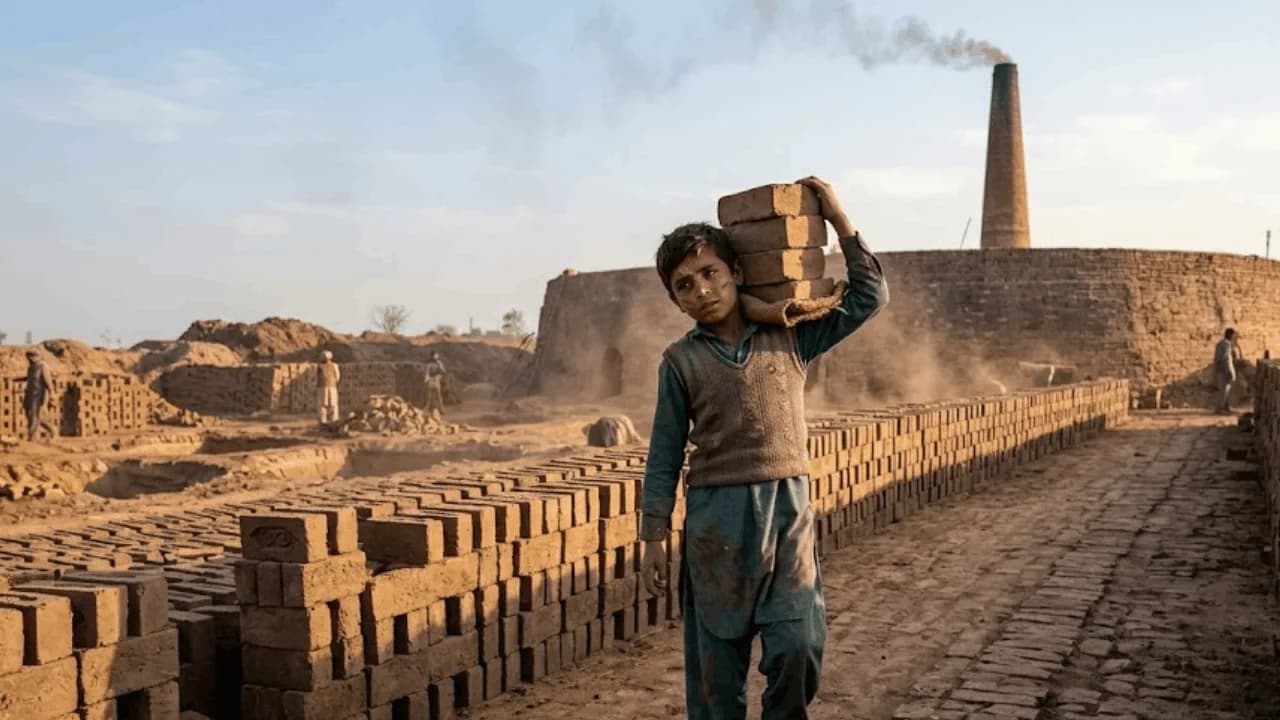
Brick kiln work can expose children to heat, dust and physically demanding conditions.
It can also interfere with education and affect their health and development.
Awareness campaigns may therefore support enforcement by helping families understand why children should be kept away from hazardous work.
Existing Punjab Law Already Restricts Child Labour at Brick Kilns
Punjab already has a dedicated legal framework for child labour at brick kilns.
The Punjab Prohibition of Child Labour at Brick Kilns Act 2016 prohibits the employment of children at such workplaces and gives authorities powers to inspect and take action.
The proposed 2026 rules are intended to strengthen the procedures used to enforce that law.
They focus more closely on monitoring, documentation, verification and the responsibilities of inspectors and owners.
What Happens Next?
The next major step is approval by the Punjab Cabinet.
Once the draft is approved, the Labour Department and administration will be able to begin implementing the new procedures.
Brick kiln owners will then be expected to follow the approved record-keeping, age verification and child labour restrictions.
For the government, the main challenge will be ensuring that the rules are applied consistently across Punjab.
Why the New Brick Kiln Rules Matter
The proposed rules could make child labour enforcement more organised by combining inspections, verified records, complaint handling and legal action within one clear system.
Their effectiveness, however, will depend on regular monitoring and proper enforcement on the ground.
If implemented as planned, the rules may strengthen protection for children working or living around brick kiln communities and improve accountability across the sector.
Frequently Asked Questions
What are the Punjab Child Labour at Brick Kilns Rules 2026?
These are proposed rules designed to strengthen action against child labour at brick kilns through inspections, age verification, worker records and clearer enforcement procedures.
Have the Punjab Child Labour at Brick Kilns Rules 2026 been approved?
No. The Labour Department has sent the draft rules to the Punjab Cabinet for approval. They are expected to take effect after approval.
What is the main purpose of the new brick kiln rules?
The main purpose is to prevent and eliminate child labour at brick kilns across Punjab through stronger monitoring and legal enforcement.
How will children’s ages be verified at brick kilns?
The proposed system includes a formal age verification process using official records such as birth certificates, B-Forms or other recognised documents.
What responsibilities will brick kiln owners have?
Brick kiln owners will be required to follow child labour restrictions, maintain proper worker records and cooperate with labour inspections.
What role will labour inspectors play?
Labour inspectors will inspect brick kilns, check records, investigate complaints and take action where child labour violations are found.
What happens if child labour is found at a brick kiln?
Authorities can investigate the case and take legal action under the applicable Punjab labour laws and approved enforcement procedures.
What is the legal age for child labour at brick kilns in Punjab?
Under the Punjab Prohibition of Child Labour at Brick Kilns Act 2016, a child is defined as a person below 14 years of age.
Topics in this story
Article Details
Category: News
Published:
Author: Rabia
More Stories