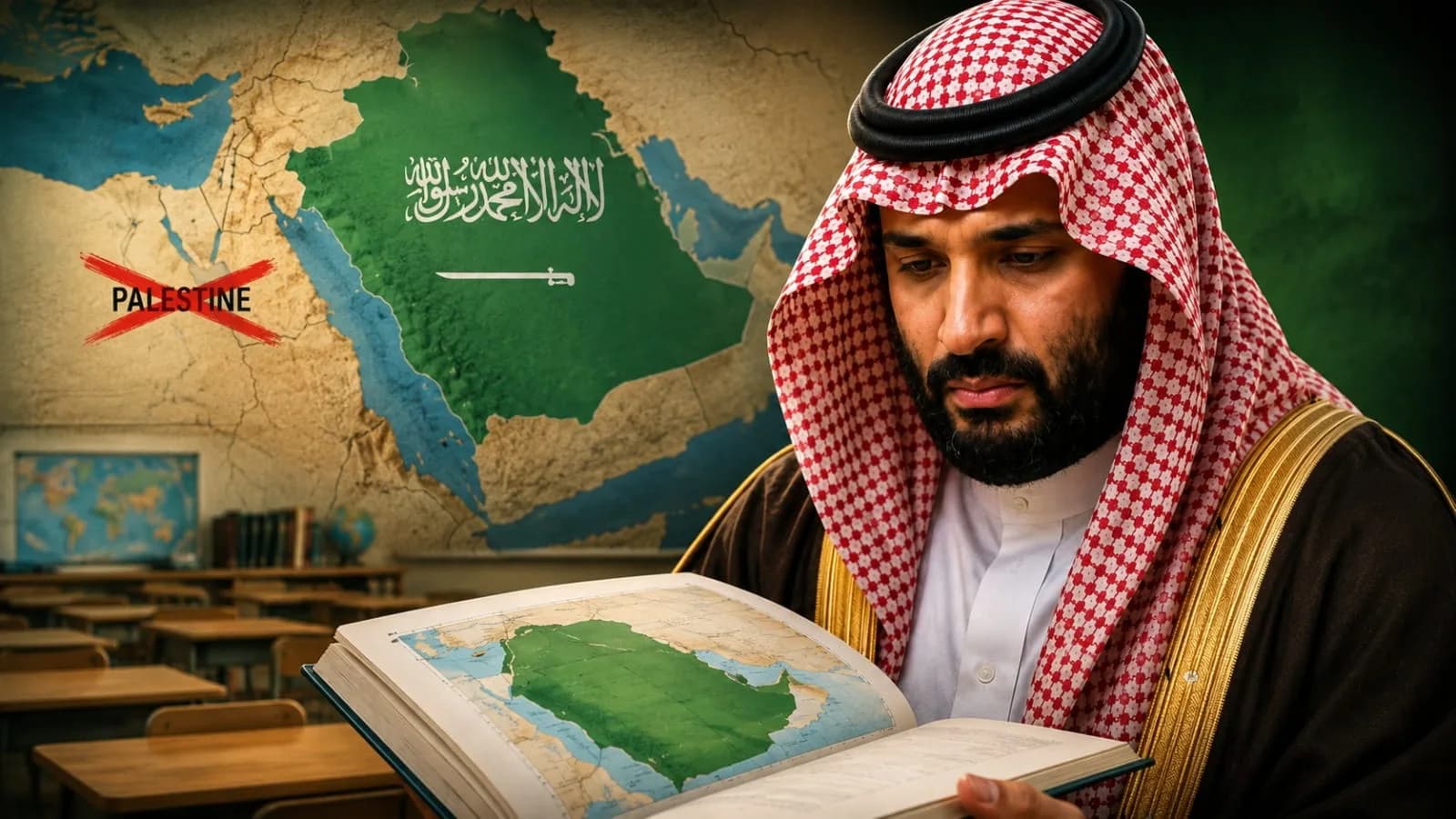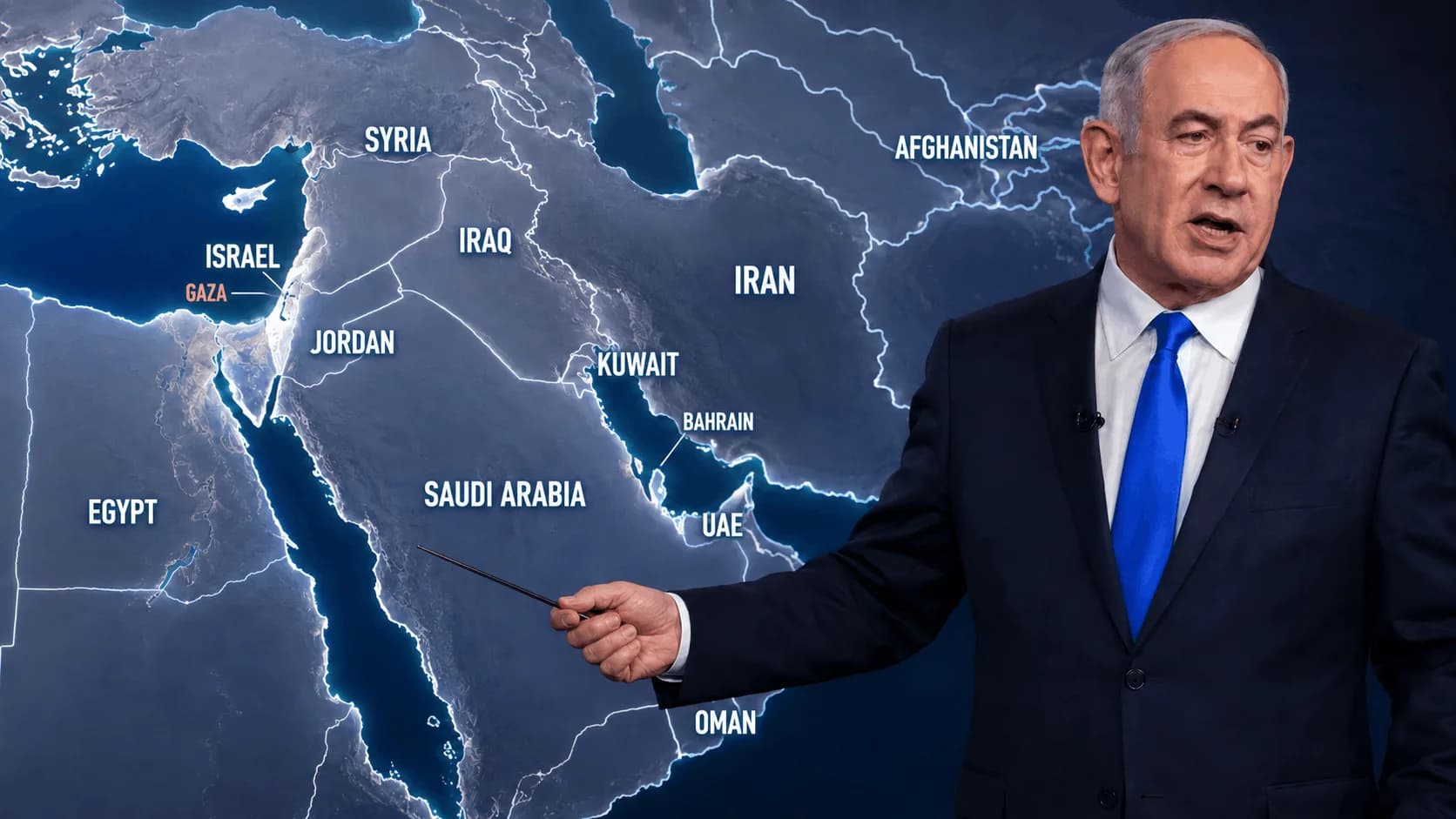
Saudi Arabia removed a school lesson that claimed Israel planned to expand its territory from the Nile River to the Euphrates to establish “Greater Israel.”
The removal is discussed in the historical review section of the Review of Saudi Textbooks 2024–2026, published by the Institute for Monitoring Peace and Cultural Tolerance in School Education, known as IMPACT-se.
Quick Answer
The removed lesson was titled “The Zionist Danger” and appeared in an older Hadith textbook for Grades 10–12. It claimed Israel wanted to expand from the Nile to the Euphrates. The July 2026 report revisits this earlier removal while reviewing wider changes made to Saudi textbooks during the 2024–25 and 2025–26 academic years.
What Was the “Greater Israel” Lesson?
According to IMPACT-se, the lesson accused Israel of seeking control over territory stretching from the Nile River to the Euphrates River. It presented this claimed expansion as part of a plan to create “Greater Israel.”
The material had appeared in an older Hadith textbook for students in Grades 10–12. The latest report refers to its removal while explaining how Saudi Arabia’s treatment of Israel and Zionism has changed over several years.
An important point is that the lesson was not newly removed in July 2026. The 2026 report says its removal had already been recorded during earlier curriculum reviews. The latest study includes it as part of the wider history of Saudi textbook reforms.
Saudi Textbooks Continue to Change
The July 2026 review examined 136 textbooks published for the 2024–25 and 2025–26 school years. It looked at content related to Israel, Zionism, religious communities, violent jihad, gender and other sensitive subjects.
According to the report, Saudi textbooks have gradually removed or softened several politically charged references.
A Grade 11 History textbook replaced the phrase “the Zionist enemy” with “the Israeli occupation.” A Grade 11 Arabic Language textbook also removed the sentence stating that Muslims would never give up Jerusalem, also known as Al-Quds or Bait-ul-Muqaddas.
Several maps were changed to remove the label “Palestine” from territory internationally recognized as Israel. However, Israel was not named in its place, leaving the territory unidentified on those maps.
Changes Concerning Religious Communities
The review says that all examples it had previously classified as antisemitic were removed from the latest curriculum it examined.
It highlights the removal of content that negatively described Jews, Christians and other religious groups. Newer lessons also place greater emphasis on respectful treatment of non-Muslims, tolerance and coexistence.
Other changes include the removal of a Hadith comparing followers of Judaism, Christianity and Zoroastrianism with injured animals. A separate passage suggesting that Jews were destined for Hell was also removed.
However, the report notes that a Grade 9 lesson about the Second World War still does not discuss the Holocaust.
Israel Is Still Not Fully Recognized in the Curriculum
Despite the changes, the report says Saudi textbooks have not completely changed how they present Israel.
Israel remains unnamed on several maps. Some books continue to describe it as an occupying state, including references linked to its establishment in 1948.
A Grade 8 Social Studies textbook reportedly labels the entire territory as Palestine without showing Israel’s name or borders. A Grade 9 map also presents Israel, the Palestinian territories and Gaza together under the Palestine label.
Some lessons continue to discuss Saudi support for the Palestinian cause, the 1948 war, the 1967 conflict and later regional events.
This shows that the removal of the “Greater Israel” lesson does not mean Saudi textbooks now formally recognize Israel or have removed support for Palestine.
Wider Context of Saudi Curriculum Reforms
IMPACT-se says Saudi Arabia has been revising its curriculum for several years. The organization connects these changes with the country’s wider education reforms under Vision 2030.
The July 2026 report presents the removal of hostile language and discriminatory material as part of a gradual move toward moderation. At the same time, it identifies areas where politically sensitive or one-sided content remains.
These findings come from IMPACT-se, an Israel-based organization that monitors educational material. They should be presented as the conclusions of its textbook review, not as a new announcement by the Saudi Ministry of Education.
Frequently Asked Questions
What was the “Greater Israel” lesson?
It was a lesson titled “The Zionist Danger” that claimed Israel planned to expand from the Nile River to the Euphrates.
Was the lesson removed in July 2026?
No. The July 2026 report revisits an earlier removal recorded in previous reviews of Saudi textbooks.
Which students previously studied the lesson?
The material appeared in an older Hadith textbook for students in Grades 10–12.
Does Saudi Arabia now recognize Israel in school textbooks?
The report says Israel remains absent from several maps and is still described as an occupying state in some lessons.
Has Palestine been removed from the entire Saudi curriculum?
No. References to Palestine, Palestinians and Saudi support for the Palestinian cause remain in several textbooks.
Topics in this story
Article Details
Category: News
Published:
Updated:
Author: Rabia
More Stories