Quick Answer
Saudi Arabia, Turkey, and Pakistan are expected to sign a joint defence agreement in Jeddah on Friday. The agreement comes as regional security concerns increase due to ongoing conflicts and disruptions affecting important shipping routes. The partnership is expected to strengthen defence cooperation between the three countries, although the full details of the agreement will be revealed after the official signing.
Introduction.
Saudi Arabia, Turkey, and Pakistan are moving closer to a new phase of security cooperation with a planned joint defence agreement expected to be signed in Jeddah. The development has gained international attention because it brings together three influential Muslim-majority countries with significant roles in regional politics and security.
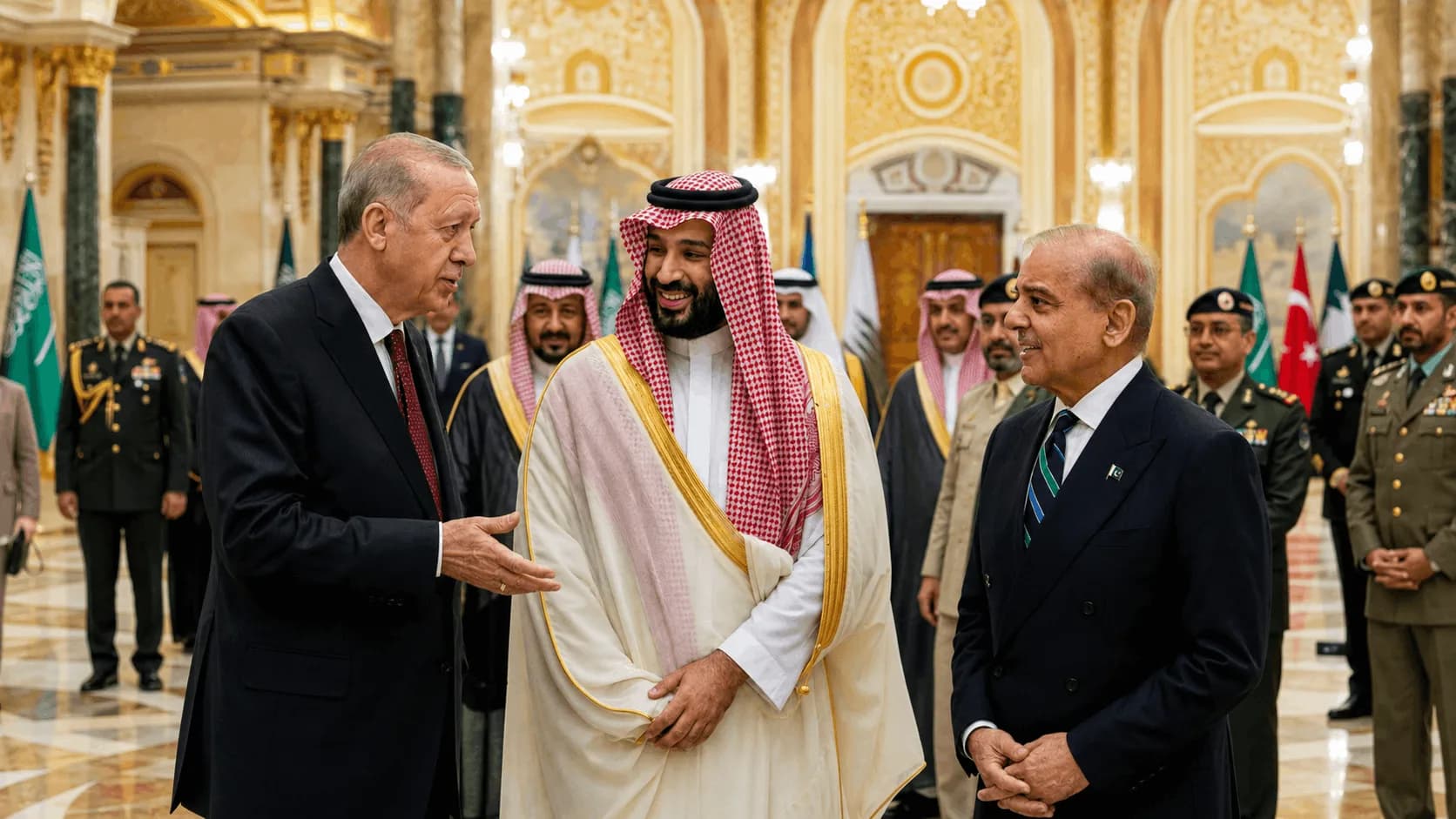
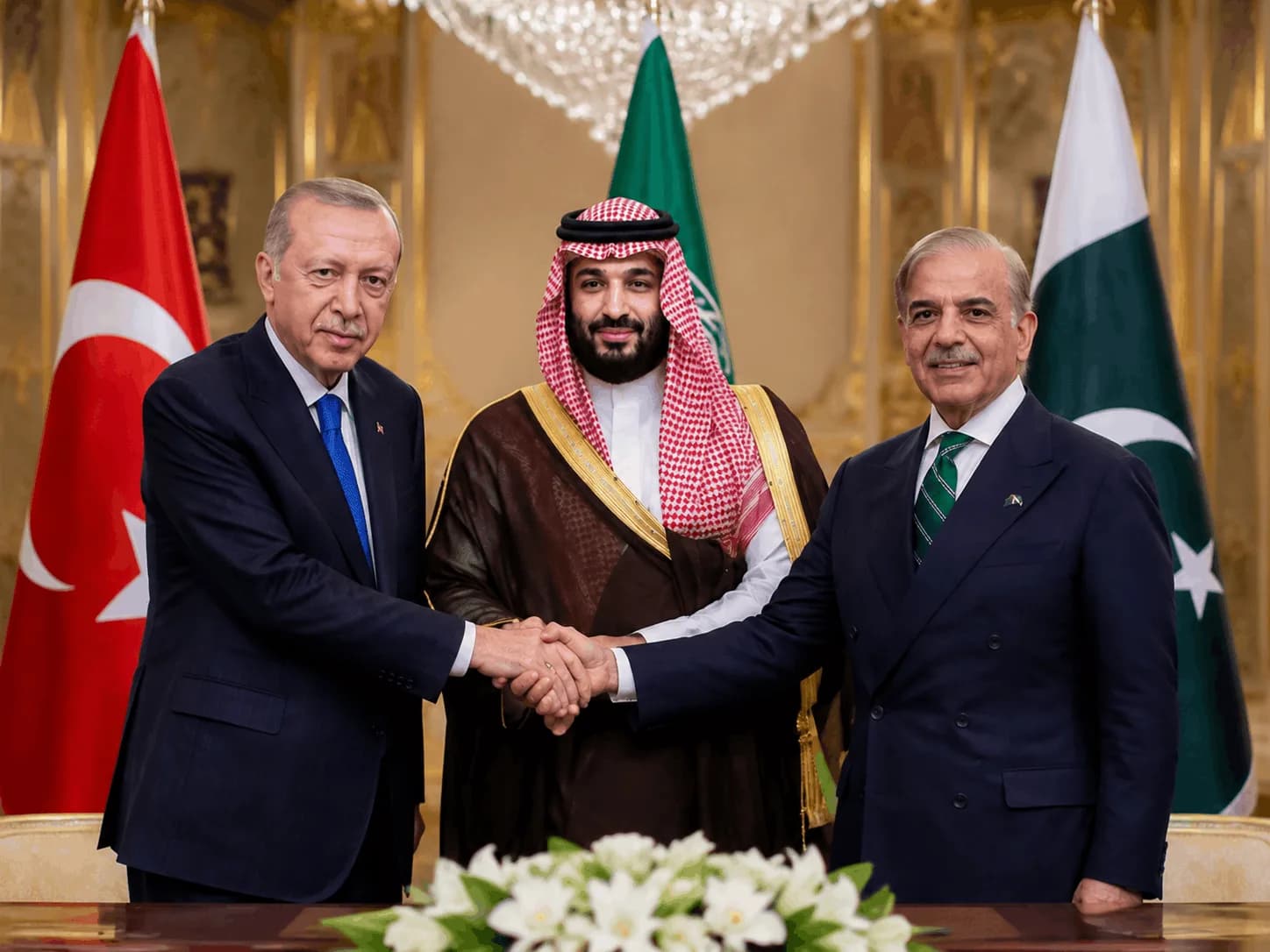
According to sources close to the Saudi government and military, the agreement has been under discussion for some time, but recent developments in the region have accelerated the process. The signing is expected during a meeting involving Saudi Crown Prince Mohammed bin Salman, Turkish President Recep Tayyip Erdogan, and Pakistani Prime Minister Shehbaz Sharif.
The timing of this agreement is important. The Middle East has experienced increased tensions, with conflicts affecting regional stability, energy markets, and major shipping routes such as the Strait of Hormuz and the Red Sea. These challenges have encouraged countries to strengthen security partnerships and improve coordination.
Saudi Arabia and Pakistan already share decades of defence cooperation, while Turkey has expanded its diplomatic and security role in regional matters. Bringing these three countries together could create a broader framework for cooperation in areas such as defence planning, security discussions, and strategic coordination.
However, the exact details of the agreement, including its scope and practical implementation, will become clearer after the official announcement. Understanding the background of this partnership helps explain why this development is being closely watched by regional and global observers.
Saudi Arabia, Turkey and Pakistan Defence Pact: What We Know So Far
The expected defence agreement between Saudi Arabia, Turkey, and Pakistan represents a major development in regional security cooperation. While the official details of the pact will be available after the signing, early reports indicate that the three countries are looking to strengthen their strategic ties at a time of growing regional challenges.
Details of the Expected Agreement
The agreement is expected to be signed in Jeddah, Saudi Arabia, during a high-level meeting involving leaders from all three countries.
Sources close to the Saudi government and military have confirmed that discussions around the agreement have been ongoing for months. Recent developments in the region have increased the urgency for stronger cooperation.
The meeting is expected to include:
Saudi Crown Prince Mohammed bin Salman.
Turkish President Recep Tayyip Erdogan.
Pakistani Prime Minister Shehbaz Sharif.
Pakistan’s Army Chief Asim Munir.
Pakistan’s Foreign Ministry has confirmed that Prime Minister Shehbaz Sharif’s visit to Saudi Arabia is taking place from August 6 to August 8. Officials have described the visit as important not only because of current regional tensions but also because of long-term strategic relations.
Defence Cooperation Timeline
Year | Key Development |
|---|---|
2025 | Saudi Arabia and Pakistan announced a joint defence pact |
2026 | Saudi Arabia, Turkey, and Pakistan move toward wider security cooperation |
Saudi Arabia and Pakistan have maintained close defence relations for decades, including military training, strategic discussions, and security cooperation. The latest development indicates an effort to expand cooperation with Turkey as another key partner.
Why Is This Agreement Being Discussed Now?
The regional environment has played an important role in accelerating these discussions.
Several factors have increased security concerns:
Ongoing conflicts involving major international powers.
Rising tensions in the Gulf region.
Disruptions affecting shipping routes in the Strait of Hormuz and Red Sea.
The need for stronger coordination between regional partners.
Security agreements are often developed when countries face common challenges. In this case, the three nations appear focused on improving communication and cooperation during a period of uncertainty.
However, it is important to note that a defence agreement does not automatically mean a military alliance. The actual purpose, commitments, and areas of cooperation will depend on the official terms announced after the signing.
What Makes This Partnership Significant?
The importance of this agreement comes from the different strengths each country brings.
Saudi Arabia holds a central position in Gulf affairs and plays a major role in regional economic and security matters. Pakistan brings extensive military experience and has a long-standing defence relationship with Riyadh. Turkey contributes its NATO membership, growing defence industry, and active diplomatic presence.
Together, these factors make the partnership a development that regional and international observers are closely monitoring.Strategic Importance of the Saudi-Turkey-Pakistan Defence Partnership
The expected defence pact between Saudi Arabia, Turkey, and Pakistan is significant because each country brings unique strategic importance to the partnership. The agreement comes at a time when regional security concerns are increasing, making cooperation between influential countries more important than ever.
Role of Each Country in Regional Security
Saudi Arabia’s Role
Saudi Arabia is one of the most influential countries in the Gulf region. Its geographical location, economic importance, and role in global energy markets make regional stability a major priority.
The country has focused on strengthening its security partnerships to protect national interests and maintain stability in a region affected by conflicts and changing alliances.
Pakistan’s Role
Pakistan has maintained a close defence relationship with Saudi Arabia for decades. The country has significant military experience and is the Muslim world’s only nuclear-equipped state.
Pakistan has previously contributed to defence cooperation through training programs, military exchanges, and security discussions with partner countries.
Turkey’s Role
Turkey brings a different strategic position to the partnership. As a NATO member with a developing defence industry, Turkey has expanded its role in regional diplomacy and security matters.
The country has been involved in several diplomatic efforts, including discussions related to regional conflicts and humanitarian issues.
Possible Impact on Regional Security
A stronger partnership between these three countries could create opportunities for increased coordination in several areas.
Potential areas of cooperation may include:
Security discussions.
Intelligence sharing.
Defence training.
Counter-terrorism efforts.
Protection of important economic routes.
However, the impact of any defence agreement depends on its actual terms. The level of cooperation will become clearer once official details are released.
Benefits and Challenges of the Partnership
Benefits
Stronger communication between three important regional powers.
Improved coordination during security challenges.
Greater experience sharing in defence matters.
Potential cooperation in technology and training.
Challenges
Different foreign policy priorities among the three countries.
Complex regional political situations.
Need for clear agreement on responsibilities and commitments.
Possible concerns from other regional and global players.
What to Watch After the Agreement Signing
The next important step will be understanding the details of the agreement. Analysts will closely follow whether the pact focuses mainly on defence discussions or includes broader cooperation such as joint exercises, technology sharing, or intelligence coordination.
From experience, international partnerships are judged not only by announcements but by how effectively countries implement agreements over time. The success of this cooperation will depend on practical steps taken after the signing.
Conclusion
The expected Saudi Arabia, Turkey, and Pakistan defence pact marks an important moment in regional cooperation. While the full details are yet to be announced, the agreement reflects a shared interest in strengthening security ties during a period of uncertainty.
For Saudi Arabia, Turkey, and Pakistan, the partnership could open new opportunities for strategic cooperation. However, its long-term importance will depend on the commitments made and how the three countries work together in the future.
Stay Updated With Global Developments
Follow Pehle Pakistan for the latest updates on Pakistan’s international relations, global security developments, and important political news.
FAQs
1. When will Saudi Arabia, Turkey, and Pakistan sign the defence pact?
The defence agreement is expected to be signed in Jeddah on Friday.
2. Why are Saudi Arabia, Turkey, and Pakistan signing a defence agreement?
The agreement aims to strengthen security cooperation amid increasing regional challenges and geopolitical tensions.
3. Who will attend the Saudi-Turkey-Pakistan defence meeting?
The meeting is expected to include Saudi Crown Prince Mohammed bin Salman, Turkish President Recep Tayyip Erdogan, and Pakistani Prime Minister Shehbaz Sharif.
4. Is this the first defence agreement between Saudi Arabia and Pakistan?
No. Saudi Arabia and Pakistan have maintained a long-standing defence relationship for decades.
5. What role does Turkey bring to this partnership?
Turkey contributes its NATO experience, defence industry capabilities, and diplomatic role in regional affairs.
6. Does this defence pact mean the three countries have formed a military alliance?
Not necessarily. The exact scope and commitments will depend on the official details of the agreement.
7. How could this agreement affect regional security?
The pact could improve coordination, communication, and cooperation between the three countries on security-related matters.
Topics in this story
Article Details
Category: News
Published:
Updated:
Author: Rabia
More Stories