Shehbaz China Visit: CPEC, Trade, Mediation
Shehbaz China Visit: CPEC, Trade, Mediation
Shehbaz’s China Visit Puts CPEC, Trade and Middle East Diplomacy in Focus
Can one foreign visit help Pakistan unlock investment, protect trade routes and strengthen its diplomatic role at the same time?
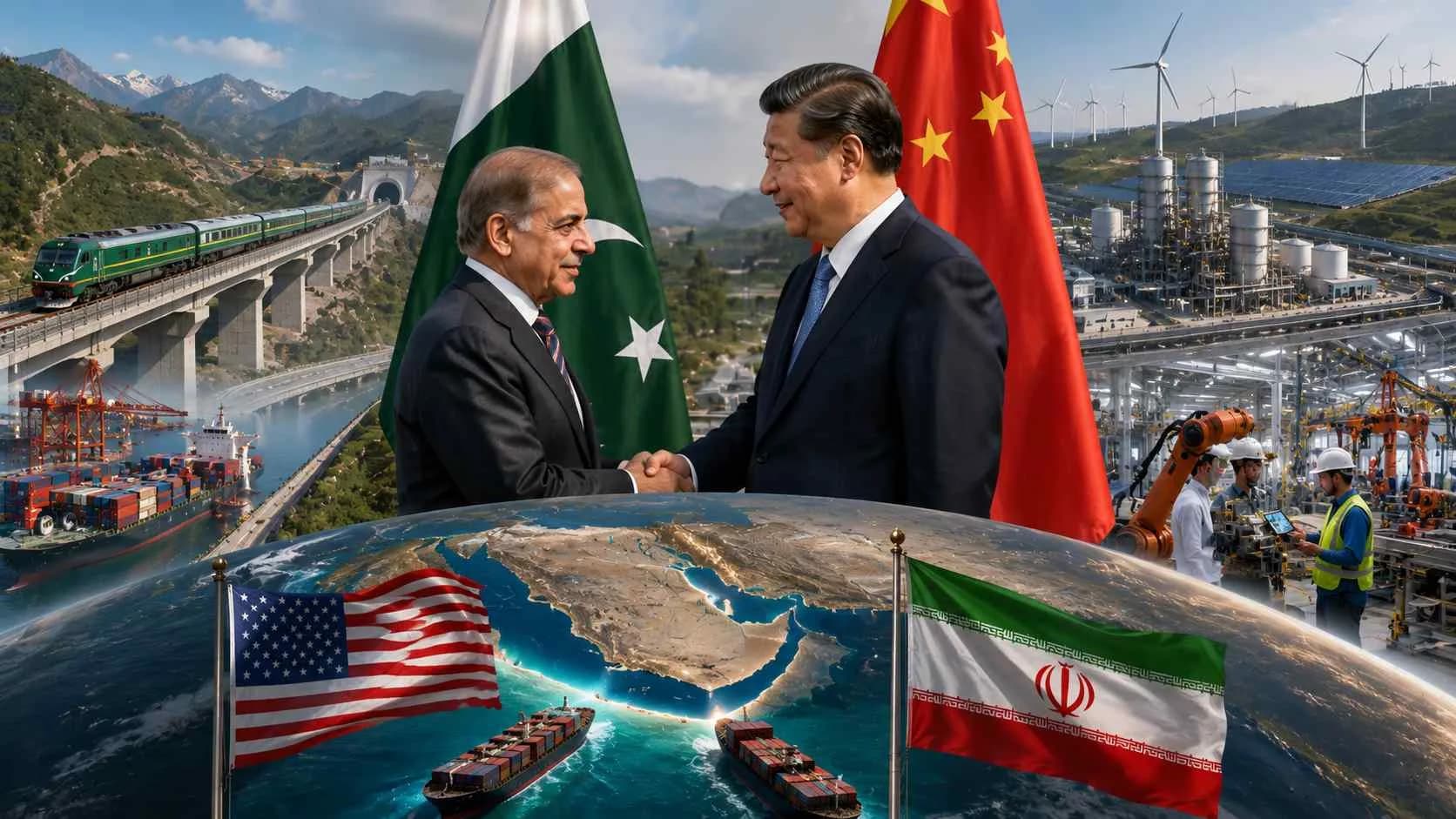
Prime Minister Shehbaz Sharif’s four-day visit to China has arrived at a critical moment for Pakistan. The trip is not just about routine diplomacy. It brings together three major priorities: CPEC expansion, stronger business links with Chinese companies, and Pakistan’s growing role in mediation efforts linked to the US-Iran conflict.
The visit also comes as Pakistan and China mark 75 years of diplomatic relations. That milestone gives the trip symbolic value, but the real test lies in practical outcomes. Pakistan needs investment, export support, technology cooperation and stable energy markets. China, meanwhile, remains Pakistan’s most important strategic and economic partner.
Why This Visit Matters for Pakistan
Shehbaz Sharif is expected to hold meetings with Chinese President Xi Jinping and Premier Li Qiang in Beijing. Before that, he is scheduled to visit Hangzhou, where a business forum will bring Pakistani and Chinese companies together under the next phase of the China-Pakistan Economic Corridor.
In many cases, high-level visits only make headlines for handshakes and official photos. This one carries more pressure because Pakistan’s economy needs visible movement. Investors want policy clarity. Exporters want lower costs. Families want relief from inflation. The government wants fresh momentum after years of slow growth and external financing pressure.
CPEC Phase II Takes Center Stage
The first phase of CPEC focused heavily on roads, power plants and basic infrastructure. Phase II is expected to move more toward industry, agriculture, technology, business partnerships and export-oriented growth.
This shift is important. Roads and power projects help build the base, but factories, skilled jobs and exports create long-term value. From experience, infrastructure alone does not change an economy unless it is connected with production, trade and private sector growth.
Business Forum and Alibaba Visit
The prime minister’s visit to Hangzhou includes a business forum where Pakistani and Chinese firms are expected to explore cooperation. His planned visit to Alibaba’s headquarters also signals interest in digital trade, e-commerce, logistics and small business access to online markets.
This is an area Pakistan often underuses. A small textile seller in Faisalabad, a sports goods exporter in Sialkot or a handmade product business in Karachi can benefit if digital platforms, payment systems and logistics become easier. The opportunity is real, but it needs training, compliance support and better export facilitation.
| Visit Area | Expected Focus | Why It Matters |
|---|---|---|
| CPEC Phase II | Industry, trade and investment | Can create jobs and boost exports |
| Business Forum | Company-to-company cooperation | May attract private sector deals |
| Alibaba Headquarters | Digital economy and e-commerce | Can help SMEs reach foreign buyers |
| US-Iran Mediation | Regional stability and diplomacy | Energy markets affect Pakistan directly |
Agriculture Cooperation Could Be a Hidden Opportunity
Shehbaz Sharif is also expected to visit the China Academy of Agricultural Sciences. This part of the visit deserves more attention than it usually gets. Pakistan’s agriculture sector feeds millions, employs a large workforce and supports key industries, yet productivity remains below potential.
Better seed technology, water management, mechanisation and storage systems can reduce losses. One common mistake people make is treating agriculture as an old economy issue. In reality, modern agriculture is technology, data, logistics and food security combined.
If Pakistan can learn from China’s experience in crop research and farm modernisation, the benefits could reach ordinary households. For example, when wheat, vegetables or cooking oil become expensive, the pressure does not stay on paper. It hits the kitchen budget. A family already managing school fees, rent and utility bills feels every price increase at the dining table.
US-Iran Conflict Adds a Diplomatic Layer
The visit is also taking place during rising tensions between Washington and Tehran. Pakistan and China have reportedly been coordinating on the standoff in the Middle East and the Gulf. The situation matters deeply for Pakistan because instability near the Strait of Hormuz can affect oil supply, shipping costs and fuel prices.
Pakistan has positioned itself as an intermediary, while China has backed diplomatic efforts that call for dialogue, a ceasefire, protection of civilian and nuclear facilities, safe navigation through the Strait of Hormuz and respect for the United Nations Charter.
Why Strait of Hormuz Stability Matters
The Strait of Hormuz is one of the world’s most sensitive energy routes. Any disruption can raise oil prices quickly. For Pakistan, that means higher import bills, pressure on the rupee and possible increases in petrol, electricity and transport costs.
This is why foreign policy and household economics are connected. A conflict far from home can still make bus fares, grocery delivery and electricity generation more expensive. When fuel prices rise, the cost does not stop at petrol pumps. It moves through the entire economy.
What Pakistan Should Push For
Pakistan should focus on practical deliverables during this visit. MoUs are useful, but implementation matters more. The government should push for timelines, sector-specific investment plans, technology transfer and export access for Pakistani businesses.
On CPEC, the priority should be special economic zones that actually attract manufacturers. On digital trade, Pakistan needs training programs for SMEs and better payment channels. On agriculture, cooperation should focus on yield improvement, food storage and climate resilience.
On diplomacy, Pakistan should avoid overpromising. Mediation works best when it is quiet, credible and balanced. A stable Middle East is in Pakistan’s interest, but Islamabad must keep its role measured and realistic.
Closing Thought
Shehbaz Sharif’s China visit gives Pakistan a chance to connect economic recovery with regional diplomacy. The outcome will depend on what follows after the meetings, not just what is signed during them. If Pakistan turns this visit into real investment, better export channels and balanced peace efforts, it can strengthen both its economy and its international standing.
Quick Facts Box
- Prime Minister Shehbaz Sharif began a four-day visit to China on May 23, 2026.
- Pakistan and China are marking 75 years of diplomatic relations.
- The visit includes meetings with President Xi Jinping and Premier Li Qiang.
- CPEC Phase II, trade cooperation and US-Iran mediation are key agenda points.
Article Details
Category: Pakistan
Published: 23 May 2026
Time: 5:06 pm
Updated: 23 May 2026 at 7:08 pm
Author: Muhammad Umer
More Stories