Sindh to Add 50 Double-Decker, 500 EV Buses to Public Transport System
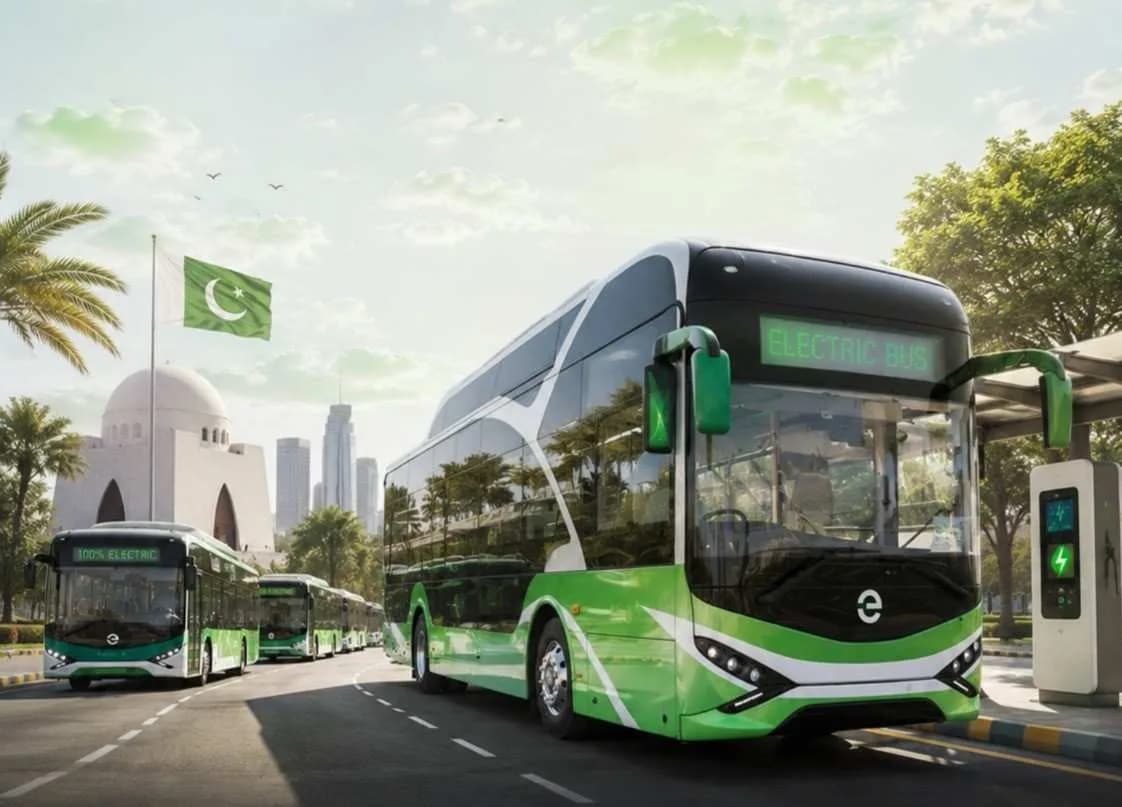
Sindh is moving toward a major transformation in its public transport network as the provincial government announces plans to introduce 50 double-decker buses and 500 electric buses across the province. The initiative aims to improve daily commuting facilities and provide citizens with a more modern, comfortable, and environment-friendly travel option.
The decision was announced during a high-level meeting chaired by Senior Minister Sharjeel Inam Memon, where officials reviewed public transport projects, land requirements for bus depots, and future transport planning.
For a province like Sindh, where millions of people depend on public transport every day, improving the quality and availability of buses can have a direct impact on daily life. Students, office workers, and families often spend hours dealing with crowded routes and limited transport options.
Sindh’s New Transport Plan Focuses on Modern Mobility
The upcoming transport expansion includes:
50 double-decker buses for increasing passenger capacity
500 electric buses to promote cleaner transportation
New bus depot infrastructure for smooth operations
Better planning for future transport needs
The government says the project is designed to create a reliable public transport system that reduces travel difficulties and supports environmentally friendly mobility.
In many cases, buying new buses is only one part of building an effective transport network. Proper depots, charging facilities, maintenance systems, and route planning are equally important for long-term success.
Why This Project Matters for Sindh Residents
Urban areas of Sindh, especially Karachi, face challenges such as traffic congestion, increasing fuel costs, and overcrowded public transport. A stronger bus network could provide an affordable alternative to private vehicles.
From experience, successful public transport systems are not only measured by the number of buses on roads. They depend on reliability, accessibility, safety, and how easily people can use them in their daily routines.
The introduction of EV and double-decker buses represents a step toward improving Sindh’s transportation future, but effective implementation and infrastructure preparation will determine the real impact of this initiative.Sindh Government’s Transport Expansion Plan and Key Decisions
The Sindh government’s latest public transport initiative is not limited to adding new buses. Officials are also focusing on the infrastructure required to operate these vehicles efficiently. During the meeting chaired by Senior Minister Sharjeel Inam Memon, authorities discussed land allocation for bus depots, parking facilities, and operational planning.
The government has directed deputy commissioners across Sindh to identify suitable government land in their respective districts for establishing bus depots. These facilities will play an important role in maintaining and managing the upcoming fleet.
Land Allocation Becomes a Key Part of the Project
Before new buses can start operating, proper infrastructure is necessary. Bus depots are essential for daily operations because they provide space for:
Bus parking after service hours
Vehicle maintenance and repairs
Charging facilities for electric buses
Fleet management and monitoring
Staff and operational arrangements
One common mistake people make is focusing only on the number of buses being introduced. A transport system cannot succeed without proper planning behind the scenes.
For electric buses especially, charging infrastructure will be a major requirement. Unlike traditional vehicles, EV fleets need dedicated charging locations and maintenance systems to ensure smooth daily operations.
Officials Review Future Transport Requirements
The meeting included officials from the transport department, development authorities, deputy commissioners, and other relevant departments. They reviewed available government land, proposed depot locations, and future infrastructure needs.
Project Area | Details |
|---|---|
Double-Decker Buses | 50 new buses |
Electric Buses | 500 EV buses |
Main Requirement | Bus depots and operational infrastructure |
Land Identification | Government land across districts |
Responsible Authorities | Transport Department and Deputy Commissioners |
The coordination between different departments will be important for timely completion. Delays in land allocation or depot construction could affect the launch schedule of the new buses.
Building Infrastructure Before Launch
From experience, many transport projects face challenges not because of vehicle availability, but because supporting facilities are incomplete. A bus fleet requires proper routes, maintenance systems, trained staff, and operational planning.
Sindh’s focus on infrastructure before bringing buses onto roads shows an attempt to avoid such issues. If the planning phase is completed effectively, the new transport system could provide a stronger commuting option for residents across the province.How 500 EV Buses and Double-Decker Buses Could Change Sindh’s Public Transport
The introduction of 500 electric buses and 50 double-decker buses could bring a major shift in Sindh’s public transport system. For years, commuters have faced challenges such as overcrowded buses, limited routes, traffic congestion, and rising travel costs. A modern bus network could provide a more comfortable and reliable option for daily passengers.
Electric buses, in particular, represent a move toward cleaner transportation. With growing concerns about air pollution in urban areas, especially Karachi, adopting environmentally friendly vehicles could help reduce emissions and improve air quality.
Benefits for Daily Commuters
The new buses could improve public transportation in several ways:
More passenger capacity through double-decker buses
Cleaner travel through electric vehicles
Reduced dependence on private vehicles
Better commuting options for students and workers
More comfortable travel experiences
In many cases, people avoid public transport not only because of cost but also due to concerns about comfort, safety, and reliability. Modern buses can help change this perception by offering better facilities and improved service quality.
Double-Decker and EV Buses: Expected Impact
Feature | Expected Benefit |
|---|---|
50 Double-Decker Buses | More passengers with increased seating capacity |
500 Electric Buses | Reduced emissions and cleaner transportation |
Modern Fleet | Better travel experience |
Improved Infrastructure | More reliable operations |
Environmental Advantages of Electric Buses
Electric buses can play an important role in reducing fuel consumption and lowering transport-related pollution. As cities continue to grow, sustainable transportation solutions are becoming increasingly important.
The benefits may include:
Lower carbon emissions
Reduced fuel dependency
Quieter urban travel
Support for cleaner cities
Customer discussions on platforms like Quora often highlight that people want affordable and dependable public transport but also expect better conditions. Many commuters say they would prefer buses over motorcycles or private cars if services become more comfortable, safe, and predictable.
A Possible Shift in Travel Habits
From experience, successful public transport projects can change how people move within cities. When buses become reliable and accessible, more citizens consider leaving private vehicles at home, which can help reduce road congestion.
However, the success of Sindh’s new transport plan will depend on route planning, maintenance, and consistent service after launch. The buses are an important step, but the overall system will decide how much impact they create.Challenges and Infrastructure Needs for Sindh’s New Bus System
While the addition of 500 electric buses and 50 double-decker buses is a positive step, the success of Sindh’s public transport expansion will depend on how effectively the supporting infrastructure is developed.
A modern transport system requires more than just purchasing vehicles. It needs proper planning, maintenance facilities, charging networks, trained staff, and efficient routes to ensure passengers receive reliable service.
Key Requirements Before Buses Hit the Roads
The Sindh government is already focusing on land allocation for bus depots because these facilities will support daily operations.
Important infrastructure requirements include:
Dedicated bus depots
EV charging stations
Maintenance workshops
Parking facilities
Route management systems
Trained technical teams
For electric buses, charging infrastructure will be one of the biggest priorities. Without enough charging points and proper maintenance systems, even advanced EV fleets can face operational difficulties.
Lessons From Other Transport Projects
One common mistake people make is judging transport projects only by the number of buses introduced. Around the world, successful public transport systems depend on a complete network rather than vehicles alone.
A well-planned system requires:
Requirement | Importance |
|---|---|
Bus Depots | Safe parking and fleet management |
Charging Stations | Continuous EV operations |
Maintenance Facilities | Longer vehicle lifespan |
Route Planning | Better passenger coverage |
Staff Training | Smooth daily service |
From experience, transport projects often perform better when authorities focus on long-term operations instead of only the initial launch. Regular maintenance and proper management are what keep services reliable for years.
Importance of Route Planning and Public Access
The placement of routes will also determine how useful these buses become. Areas with high passenger demand, educational institutions, business centers, and residential communities need effective coverage.
Passengers usually prefer transport options that reduce waiting times and provide predictable schedules.
Customer feedback on public transport discussions often shows that reliability matters as much as affordability. People are more likely to use buses when they know the service will arrive on time and provide a comfortable journey.
Sindh’s new bus initiative has strong potential, but infrastructure development and operational planning will decide whether it becomes a temporary project or a long-term improvement in public transportation.Future of Public Transport in Sindh: A Step Toward Modern Mobility
The introduction of 500 electric buses and 50 double-decker buses represents a major opportunity to reshape Sindh’s public transport system. With increasing urban populations and growing traffic challenges, cities need transportation solutions that are affordable, reliable, and environmentally sustainable.
If implemented successfully, this project could encourage more people to choose public transport instead of relying on private vehicles. This shift could help reduce road congestion and improve mobility for millions of residents across the province.
Long-Term Benefits for Sindh Residents
A stronger public transport network can create several positive changes:
Easier daily commuting for students and workers
Reduced pressure on roads
More affordable travel options
Cleaner urban environments
Better connectivity between different areas
For Karachi and other major cities of Sindh, improved bus services can be especially important because many residents depend on public transport for work, education, and daily activities.
Customer Testimonial Highlights
Many commuters in Pakistan often highlight similar concerns about public transport, including overcrowding, long waiting times, and uncomfortable travel conditions.
Passengers frequently say they want:
Clean and comfortable buses
Reliable schedules
Affordable fares
Safer travel environments
Discussions on platforms like Quora show that many people would prefer using public transport if services become more convenient and dependable. A well-managed EV bus system could encourage this change by offering a better travel experience.
What Will Determine the Success of This Project?
The success of Sindh’s transport expansion will depend on several factors:
Timely completion of bus depots
Proper EV charging infrastructure
Effective route planning
Regular maintenance
Transparent operations
One common mistake in large transport projects is focusing only on launching new vehicles while ignoring long-term management. A sustainable system requires continuous improvement after the initial introduction.
Conclusion
Sindh’s plan to add 50 double-decker buses and 500 electric buses marks an important step toward modernizing public transportation in the province. The project has the potential to improve daily commuting, reduce environmental impact, and provide citizens with better mobility options.
However, the real success of this initiative will depend on infrastructure preparation, operational efficiency, and consistent service quality. If the government manages these areas effectively, the new bus network could become a significant improvement in Sindh’s transportation future and set an example for sustainable public transport in Pakistan.
FAQs
1. How many new buses is Sindh adding to public transport?
Sindh is planning to introduce 550 new buses, including 50 double-decker buses and 500 electric buses, to modernize public transport.
2. Why is Sindh introducing electric buses?
Sindh is adding electric buses to provide cleaner transportation, reduce emissions, lower fuel dependency, and improve the commuting experience.
3. Who announced the new Sindh transport project?
The project was discussed during a meeting chaired by Senior Minister Sharjeel Inam Memon, focusing on transport expansion and infrastructure planning.
4. What is the purpose of building new bus depots in Sindh?
Bus depots will provide parking, maintenance facilities, charging arrangements for EV buses, and operational support for smooth transport services.
5. When will the new buses start operating in Sindh?
The government said the new buses will hit the roads after completing land allocation and necessary infrastructure arrangements.
6. How will electric buses benefit passengers in Sindh?
Electric buses can provide quieter, cleaner, and more comfortable travel while helping reduce pollution and improving urban mobility.
7. Which areas will benefit from Sindh’s new bus project?
The project aims to improve public transport across Sindh, including major urban areas where residents face daily commuting challenges.
8. Why are double-decker buses being added to Sindh’s transport system?
Double-decker buses can carry more passengers and help increase transport capacity on busy routes with high passenger demand.
9. What challenges could affect Sindh’s EV bus project?
Challenges include developing charging stations, maintaining buses, planning routes, and ensuring efficient operations after the launch.
10. How can this project improve public transport in Pakistan?
The project can encourage sustainable travel, reduce traffic pressure, and provide citizens with a modern alternative to traditional transport options.
Topics in this story
Article Details
Category: News
Published:
Updated:
Author: Rabia
More Stories