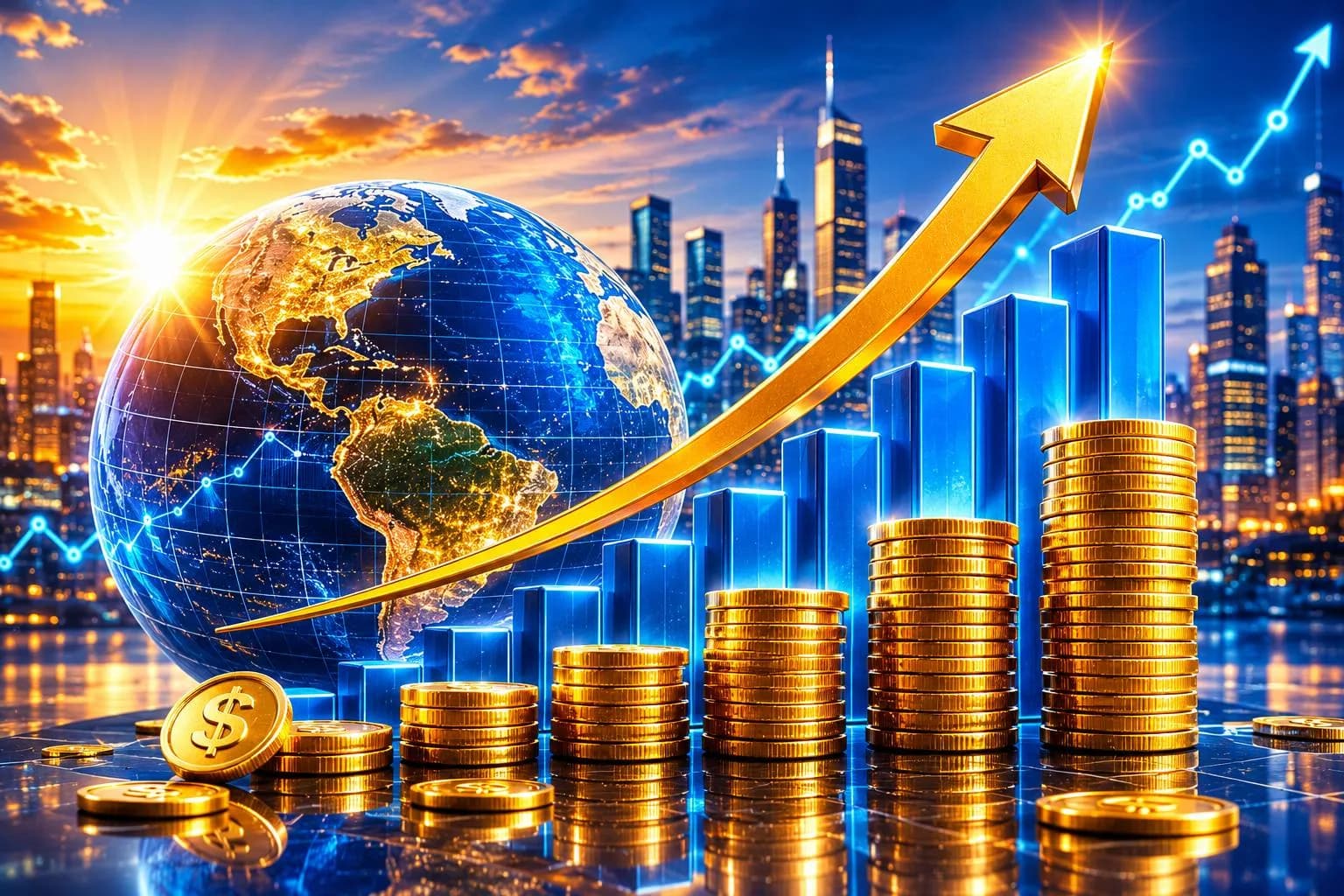
Why do some countries grow quickly while others struggle for years? The answer is usually a mix of natural resources, reforms, population strength, investment, technology, and sometimes recovery after a deep crisis.
Growth Looks Strong, But Context Matters
Fastest Growing Economies are often smaller or emerging markets where one major industry can change the national picture quickly. Oil discoveries, mining projects, tourism recovery, infrastructure spending, or post-conflict rebuilding can push GDP growth sharply higher.
IMF’s April 2026 World Economic Outlook projects global growth at 3.1% in 2026. That means countries growing above 6% are clearly outperforming the global average, but high growth does not always mean ordinary people immediately feel richer.
Countries Showing Strong Growth Momentum
| Country | Main Growth Driver |
|---|---|
| Guyana | Offshore oil production and energy investment. |
| India | Large domestic demand, technology services, manufacturing, and infrastructure. |
| Ethiopia | Reforms, infrastructure, agriculture, and industrial expansion. |
| Vietnam | Exports, manufacturing, foreign investment, and supply chain growth. |
Why Guyana Stands Out
Guyana has become one of the most watched high-growth economies because of its offshore oil boom. In many cases, energy discoveries can transform a small economy quickly because oil revenue lifts exports, government income, and investor interest.
Still, one common mistake people make is assuming fast GDP growth automatically means broad prosperity. Resource-led growth can bring pressure too, including inflation, inequality, and dependence on one sector.
India And Vietnam Show A Different Model
From experience, steady broad-based growth is often healthier than sudden spikes. India’s growth story is built on services, digital payments, manufacturing, infrastructure, and a young workforce. Vietnam’s strength comes from exports, electronics manufacturing, trade links, and investor confidence.
These economies show that growth can come from productivity and global supply chains, not only natural resources.
The Financial Burden On Families
Fast economic growth sounds positive, but families judge progress through prices, jobs, wages, rent, transport, and food costs. If salaries do not rise with inflation, people may not feel the benefit.
It is like a shop reporting record sales while the workers still struggle to pay school fees. The headline number looks strong, but household relief depends on how growth is shared.
What Pakistan And Other Developing Countries Can Learn
Fastest Growing Economies usually have a few common strengths: investment, exports, better infrastructure, policy stability, education, and improved energy supply. Countries that reduce business uncertainty attract more factories, startups, and foreign capital.
For ordinary citizens, the best growth is the kind that creates jobs, supports small businesses, lowers service gaps, and improves public systems. A high GDP number matters less if young people cannot find work or families cannot afford basics.
Closing Thought
The countries with the fastest economic growth are showing how quickly fortunes can change when resources, reforms, and investment align. But real success will depend on whether growth becomes inclusive. The strongest economies of the future will not only grow fast. They will turn that growth into jobs, skills, stability, and better living standards.
Quick Facts Box
- IMF’s April 2026 outlook projects global growth at 3.1% in 2026.
- World Bank’s January 2026 outlook expects global growth near 2.7% in 2026.
- Some emerging economies are expected to grow above 6% in 2026.
- Oil, exports, tourism, reforms, and infrastructure are major growth drivers.
Article Details
Category: Global
Published:
Author: Pari Row
More Stories