Ever replaced a SIM and wondered why identity checks are becoming stricter? Telecom services are no longer only about calls and data. They are now linked to banking, wallets, social apps, business accounts, and personal security.
Why Identity Verification Is Becoming More Important
Digital Identity Verification In Telecom helps confirm that a mobile number belongs to the right person. In Pakistan, this matters because a SIM can be used for banking alerts, OTPs, mobile wallets, WhatsApp, delivery apps, and online accounts.
In many cases, one mobile number has become a digital key. If that key falls into the wrong hands, users can face fraud calls, wallet misuse, account recovery problems, or identity theft.
How Verification May Evolve
| Future Method | Expected Benefit |
|---|---|
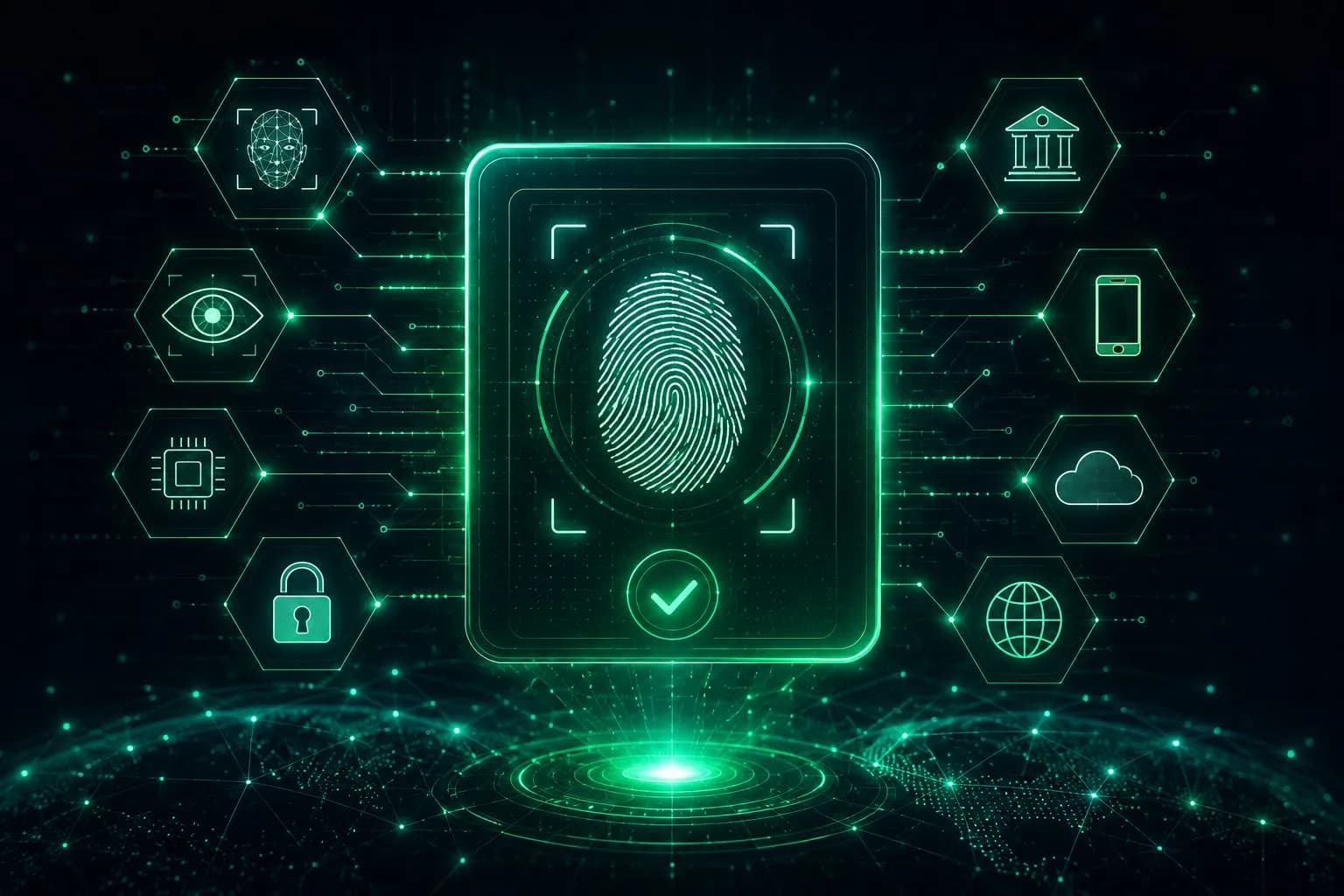
| Biometric checks | Reduces illegal SIM issuance and confirms real customer identity. |
| e-KYC systems | Allows faster digital onboarding for SIMs, wallets, and telecom services. |
| Facial verification | Can add another layer for remote verification and high-risk transactions. |
| AI fraud detection | Helps identify suspicious activity, fake registrations, and unusual patterns. |
The Shift From Physical To Digital Verification
From experience, users want security but also convenience. Long queues at franchises, repeated fingerprint failures, and unclear SIM ownership issues make verification frustrating for many people.
The future may bring more remote checks, app-based verification, and faster customer updates. But one common mistake people make is assuming faster verification automatically means safer verification. Speed must come with proper safeguards.
The Financial Burden On Families
Poor identity controls can create real household losses. A fraudulent SIM, fake wallet registration, or stolen OTP can affect school fees, rent, medicines, or business payments. It is like someone copying your house key and using it before you even know it exists.
Stronger verification can reduce this risk, but users must also check which SIMs are registered on their CNIC and report unknown numbers quickly.
Why Privacy Must Stay At The Center
Digital Identity Verification In Telecom will require careful handling of fingerprints, facial data, CNIC details, and customer records. If stored or shared poorly, identity data can become a bigger risk than the fraud it is meant to stop.
Telecom operators, retailers, and verification partners need strict controls, audit trails, encrypted systems, and clear complaint channels. Users should also avoid giving biometric verification at unauthorized shops or suspicious agents.
What Users Should Expect Next
Future telecom verification may become more connected with mobile wallets, eSIM activation, digital banking, and government services. This can make services faster, but it also means one weak identity process can affect many accounts.
Users should keep their SIM ownership updated, protect OTPs, avoid unknown links, and use official operator channels for SIM replacement or ownership changes.
Closing Thought
The future of telecom identity verification will be built on a balance between security and convenience. Pakistan can benefit from smarter e-KYC, stronger fraud detection, and safer digital onboarding, but public trust will depend on privacy protection, transparent rules, and reliable complaint handling.
Quick Facts Box
- A mobile number is now linked to banking alerts, OTPs, wallets, apps, and account recovery.
- Biometric verification helps reduce illegal SIM issuance and identity misuse.
- Future telecom verification may include e-KYC, facial checks, and AI fraud detection.
- Users should verify SIMs registered on their CNIC and avoid unauthorized biometric agents.
Article Details
Category: Telecom
Published:
Author: Pari Row
More Stories