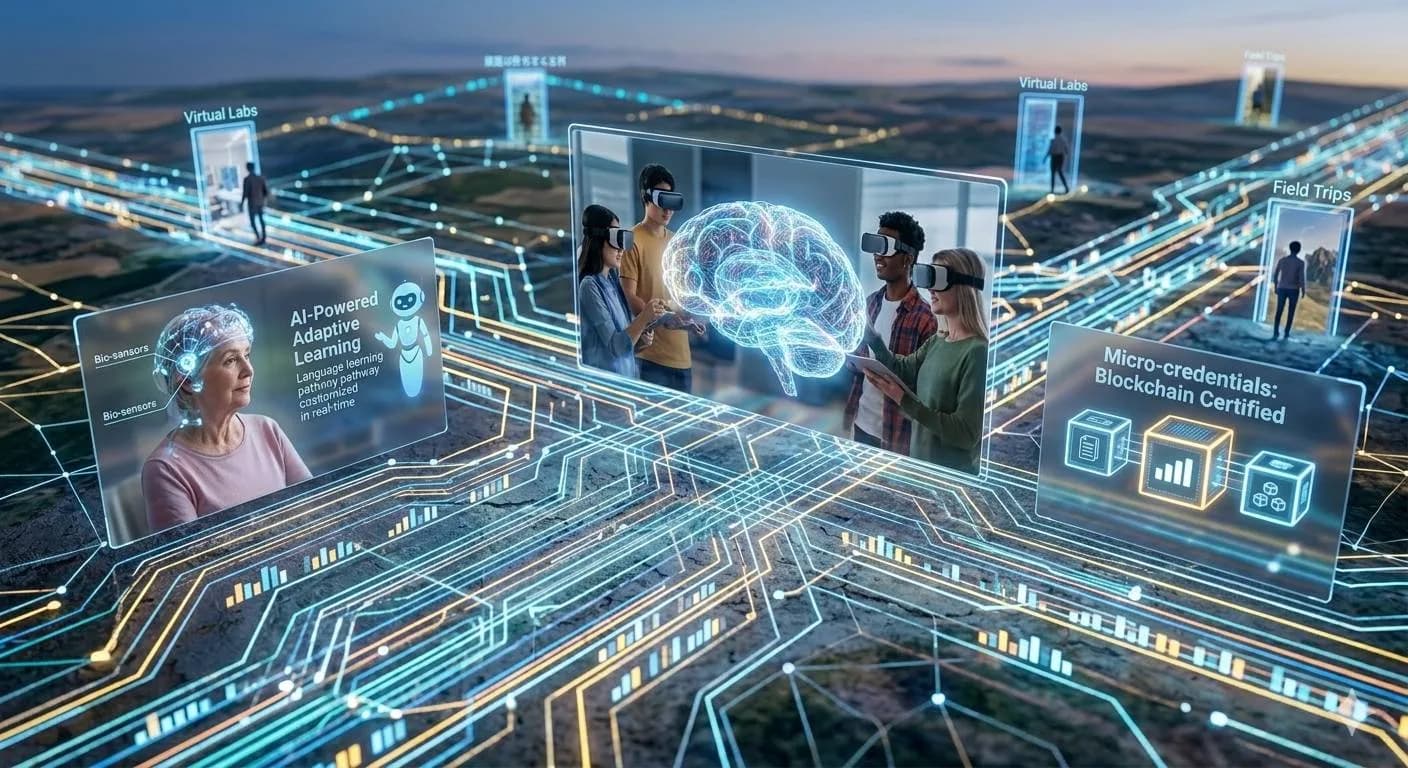
Ever watched a lecture on your phone and realized learning no longer needs a classroom wall? Online education is moving from emergency backup to a serious part of how students, workers, and professionals learn.
Why Online Learning Is Becoming Mainstream
Future Of Online Education will be shaped by flexibility, affordability, AI tools, and skills-based learning. Students want recorded lessons, workers want short professional courses, and teachers need better digital support.
UNESCO says AI can help address major education challenges and improve teaching, learning, and assessment, while also stressing human agency, critical thinking, and ethics in digital education.
What Will Change In Online Education
| Trend | Expected Impact |
|---|---|
| AI tutors | Students may get instant explanations, practice questions, and feedback. |
| Hybrid classes | Schools may combine physical teaching with recorded and live online lessons. |
| Skills-based courses | Workers can learn job-ready skills without waiting for long degree programs. |
| Digital assessments | Tests may become faster, more personalized, and easier to track. |
AI Tutors Could Change The Learning Gap
In many cases, students hesitate to ask questions in class. AI-based learning tools can explain the same concept in simpler words, different languages, or step-by-step examples.
From experience, this could help students who cannot afford expensive private tuition. Still, AI cannot replace a good teacher. It can support practice, revision, and feedback, but human guidance is needed for discipline, values, and deeper understanding.
The Financial Burden On Families
Online education can save travel and tuition costs, but it also creates new expenses. Families may need smartphones, laptops, internet packages, electricity backup, and paid learning apps.
It is like replacing school transport with home study tools. The monthly van fee may reduce, but the cost of internet, devices, and repairs becomes part of the household budget.
Skills Will Matter More Than Certificates Alone
The World Economic Forum’s Future of Jobs Report 2025 says employers expect major skill disruption by 2030. That means online education will become important not only for students, but also for workers who need reskilling.
One common mistake people make is treating online courses as shortcuts. The real value comes from practice, projects, feedback, and applying skills in real work.
What Needs To Improve Next
Future Of Online Education will depend on affordable internet, better teacher training, local-language content, secure platforms, and fair access for rural and low-income students.
Schools and universities should not simply upload long lectures and call it digital learning. Better online education needs shorter lessons, quizzes, discussion, practical tasks, and clear progress tracking.
Closing Thought
Online education is not replacing classrooms overnight, but it is changing what learning can look like. The best future will be hybrid, flexible, affordable, and skill-focused. If countries invest in access, teacher training, and responsible AI use, online education can become a powerful tool for students and workers alike.
Quick Facts Box
- UNESCO says AI can support teaching, learning, assessment, and education planning.
- WEF’s Future of Jobs Report 2025 expects major workforce skill changes by 2030.
- Hybrid learning combines classroom teaching with online lessons and digital tools.
- Affordable internet and devices remain key barriers for many students.
Article Details
Category: Global
Published:
Author: Pari Row
More Stories