Still carrying a tiny SIM ejector pin in your wallet? That habit may soon feel outdated as more Pakistani users shift toward digital SIMs for convenience, security, and easier number management.
What Makes eSIM Different From A Physical SIM?
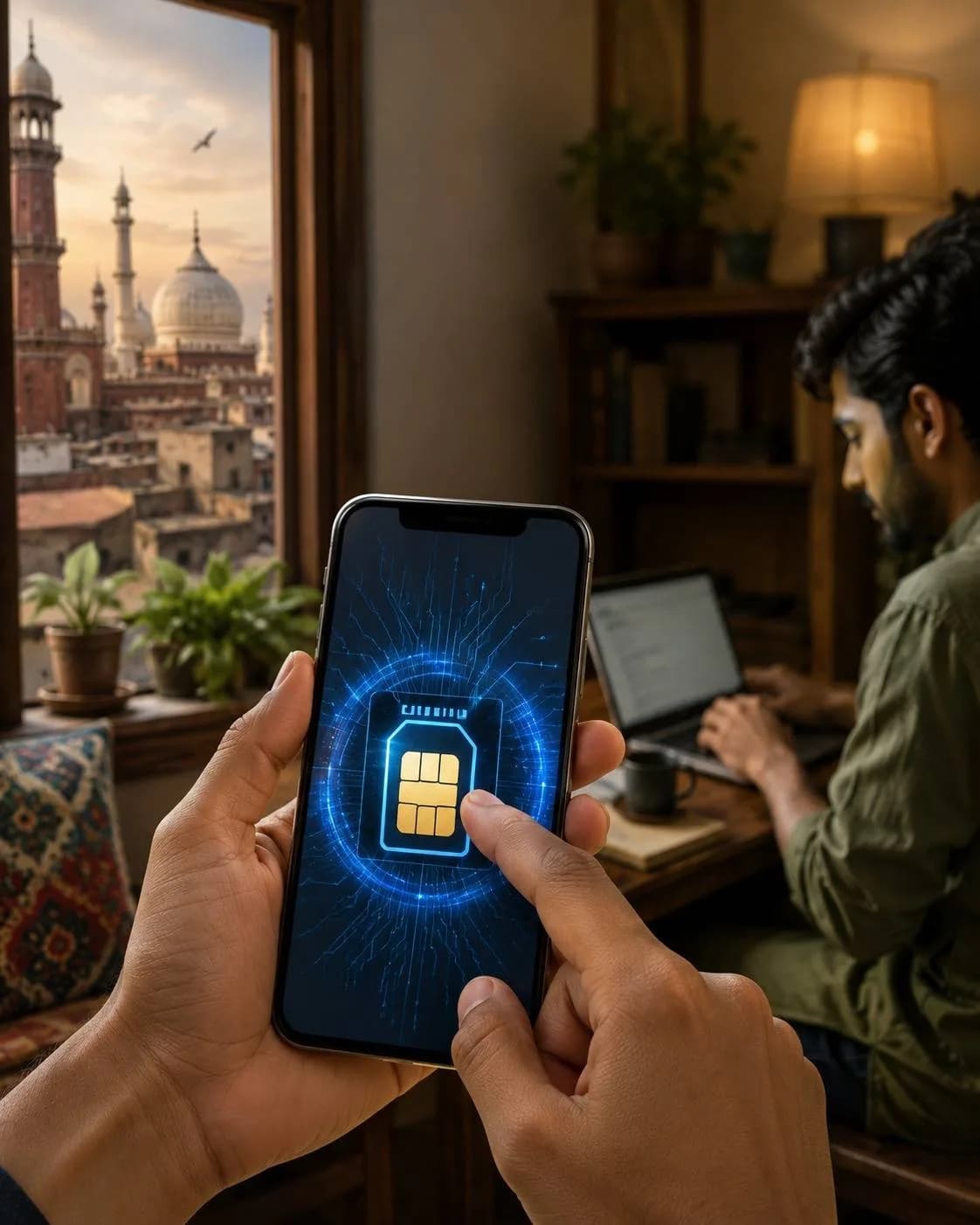
An eSIM is a built-in digital SIM inside a supported phone. Instead of inserting a plastic SIM card, users activate a mobile profile through a QR code or digital setup process.
eSIM Technology in Pakistan is becoming more relevant as premium smartphones, frequent travel, online work, and dual-number usage become common. In many cases, users want one number for personal calls and another for business, banking, or data.
How eSIM Helps Pakistani Users
The biggest benefit is convenience. Users do not need to worry about damaged SIM trays or lost plastic SIMs. A digital SIM also adds a layer of safety because it cannot be removed quickly if a phone is stolen.
| Feature | Why It Matters |
|---|---|
| Digital activation | Users can activate service without handling a physical SIM card. |
| Dual SIM flexibility | Many phones can use one physical SIM and one eSIM together. |
| Better security | A thief cannot simply pull out the SIM to cut mobile access. |
| Travel support | Users can add temporary data plans while traveling abroad. |
Why Adoption Is Still Slow
One common mistake people make is assuming every smartphone supports eSIM. Most budget phones in Pakistan still rely on physical SIM slots. eSIM support is mainly found in newer flagship and upper mid-range models.
Cost is another barrier. Some operators charge an activation or conversion fee, which can feel high for ordinary users. For a family already paying for data bundles, school fees, and utility bills, an extra SIM conversion charge can feel like buying a new lock after already paying rent for the house.
What Users Should Check Before Switching
From experience, the first step is simple: check whether your phone supports eSIM. Users should also confirm whether the device is PTA-approved, whether the operator supports eSIM on their number, and what happens if the phone is reset or changed.
This last point matters. If a user changes phones, they may need a new QR code or fresh activation. That can become frustrating if the process still requires a physical visit to a franchise or service center.
The Bigger Picture For Pakistan’s Telecom Market
eSIM Technology in Pakistan fits into a wider shift toward digital services. Mobile banking, online identity checks, app-based support, and remote work all need safer and more flexible connectivity.
For operators, eSIM can reduce plastic waste and simplify future device connectivity. Smartwatches, tablets, laptops, and connected cars can also benefit if the local ecosystem becomes easier and more affordable.
Closing Thought
eSIM will not replace physical SIM cards overnight in Pakistan, but its direction is clear. As supported phones become cheaper and activation becomes smoother, more users will move toward digital SIMs. The next challenge is making the process simple, secure, and affordable for everyday customers, not just premium phone users.
Quick Facts Box
- eSIM works only on supported smartphones, tablets, and wearables.
- Many users can keep one physical SIM and one eSIM active together.
- Activation may require biometric verification and operator approval.
- Some operators charge around Rs. 1,000 to Rs. 2,500 for activation or conversion.
Article Details
Category: Telecom
Published:
Updated:
Author: Pari Row
More Stories