Lahore Tuition Centre Collapse Triggers Safety Survey
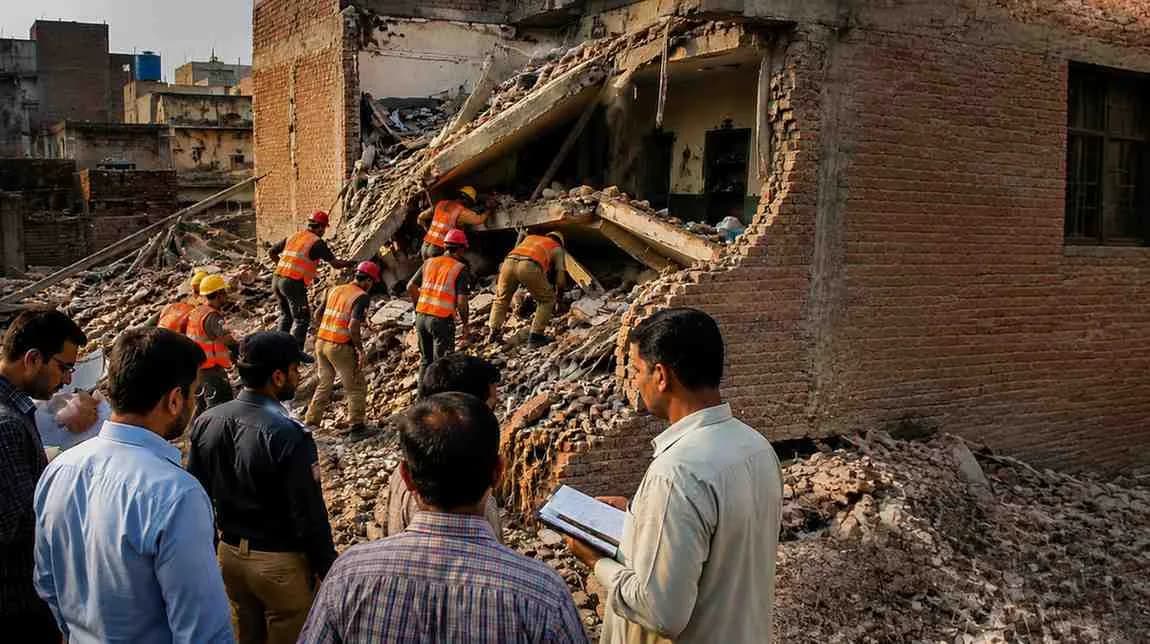
The Lahore tuition centre collapse in Kahna has become a turning point for education safety in Pakistan. The tragic loss of 14 children has pushed authorities to finally confront a long-ignored problem: unregulated tuition centres operating inside residential buildings without proper safety checks. In practical terms, this is not just a headline story, it reflects how informal education setups have expanded faster than regulation itself.
From a ground-level perspective, many of these centres operate like small classrooms inside houses, often without structural assessment or emergency exits. If you compare this with cities like Houston or Chicago in the USA, even small tutoring institutes are required to follow strict building codes and fire safety standards. That contrast is now being discussed in local education circles in Lahore as well.
Key concerns highlighted after the incident:
No formal registration system for home-based tuition centres
Weak monitoring of building safety standards
Lack of fire exits and emergency preparedness
Rapid expansion of private coaching culture without oversight
Authorities are now under pressure to rebuild trust, not just by announcing actions, but by enforcing them consistently. Families are demanding accountability, and rightly so, because safety in education should never be optional.
Why This Incident Forced Immediate Government Action
Following the tragedy, the response from the education department was swift, but it also revealed a deeper structural gap. According to officials, there had never been a proper mechanism to register or track tuition centres operating from private homes. That single admission explains why this issue remained hidden for so long.
To address it, the government has now launched a citywide emergency review. The focus is not just punishment, but understanding how widespread the issue actually is. In many developing education markets, including parts of South Asia, informal tuition systems grow faster than regulation frameworks can adapt. This situation in Lahore is a clear example of that imbalance.
Immediate steps being taken include:
Emergency inspection of all tuition centres
Identification of unsafe residential academies
Temporary monitoring of high-risk areas
Formation of dedicated inspection teams
What Families and Community Members Are Saying
Public reaction has been emotional and direct. Many parents are asking how such centres were allowed to operate for years without inspection. One parent shared a sentiment similar to discussions often seen on Quora-style forums in the US education community: “We assume learning spaces are safe by default, but no one checks the building itself.”
Customer-style community feedback highlights:
Relief that action is finally being taken
Concern about how many similar centres still exist
Demand for strict enforcement, not just surveys
Hope for a safer education environment moving forward
Citywide Safety Survey and Inspection Drive in Lahore
Following the Lahore tuition centre collapse, the Lahore Education Authority has launched a citywide emergency survey targeting every tuition centre, coaching academy, and privately operated learning space. The focus keyword “Lahore tuition centre collapse triggers safety survey” is directly reflected in this action, as authorities try to convert tragedy into structured reform.
This is not a routine inspection. It is a full-scale audit of how education spaces operate in residential areas. In real terms, many of these centres function like informal schools inside homes, often without structural approval or safety clearance. Similar discussions are seen in global education forums, including US-based tutoring setups, where compliance is non-negotiable before opening even a small learning facility.
The survey will focus on:
Building safety and structural condition
Student enrolment and capacity limits
Fire safety and emergency exits
Registration and legal status of centres
Operating conditions in residential properties
Authorities have assigned zonal heads and Assistant Education Officers to complete this work within three days. That timeline is aggressive, which shows the urgency created by public pressure and emotional impact of the incident.
How the New Regulatory Framework Will Change Tuition Culture
Once the survey is completed, the education department will design a new regulatory framework for tuition centres. This is expected to be the most significant shift in Lahore’s private education oversight in years. The idea is simple: no centre should operate without registration, safety clearance, and periodic inspection.
In practical terms, this could reshape how tuition culture works in the city. Many small home-based academies may now need to upgrade infrastructure or shut down if they fail compliance checks. That is a major shift for a system that has largely operated informally for decades.
Proposed reforms include:
Mandatory registration for all tuition centres
Regular safety inspections and certifications
Closure of illegal residential academies
Penalties for non-compliance
Centralized database of approved institutes
Impact Breakdown of Proposed Changes
Area of Reform
Expected Outcome
Registration System
Full tracking of all tuition centres
Safety Compliance
Reduction in building-related risks
Enforcement Action
Closure of illegal coaching setups
Policy Framework
Structured regulation of private education
Customer Testimonial Highlights
“A proper inspection system was long overdue. Parents need assurance that classrooms are actually safe, not just functional.” – Lahore Parent
“In the US, even small tutoring centers need permits. It’s good to see similar thinking finally coming here.” – Education Consultant
Short Summary
The Lahore tuition centre collapse in Kahna, which claimed 14 children’s lives and injured several others, has triggered urgent action from authorities across the city. In response, the Lahore Education Authority has launched an emergency survey of all tuition centres, coaching academies, and residential learning setups to check safety conditions and identify illegal operations.Officials confirmed that many tuition centres were previously running without proper registration or regulatory oversight, especially in residential buildings. Special inspection teams have been assigned to complete the survey within three days, focusing on building safety, student capacity, and compliance standards.
[Source : ARY News]
Article Details
Category: News
Published: 2 July 2026
Time: 2:08 pm
Author: Iqra
More Stories