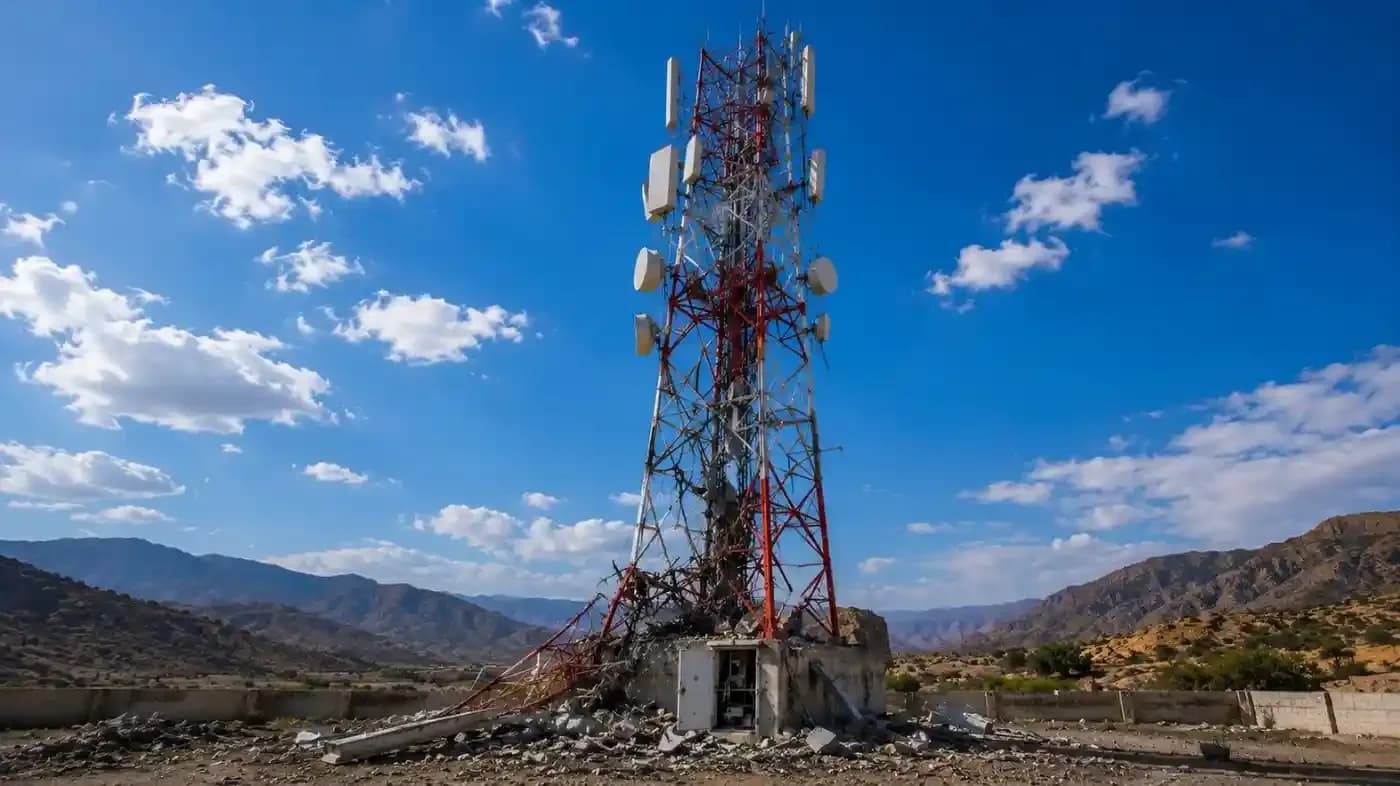
UK scientists developing new Ebola vaccine that could be ready in months

UK scientists developing new Ebola vaccine that could be ready in months
UK Ebola Vaccine Breakthrough Could Bring New Hope Within Months
Can a vaccine developed in months help stop a deadly outbreak before it spreads further? That question is now at the center of global health discussions as UK scientists work on a new Ebola vaccine for the Bundibugyo strain, a rare form of the virus currently causing concern in parts of central Africa.
Closing Thought
The new vaccine effort shows how quickly science can respond when an outbreak becomes urgent. Still, speed must come with safety, proper trials and fair access for affected communities. The coming months will decide whether this project becomes a strong public health tool or another reminder that the world still needs faster protection against rare but deadly diseases.
Quick Facts Box
- Oxford scientists say the vaccine could enter clinical trials within two to three months.
- The outbreak is linked to the Bundibugyo strain of Ebola.
- Hundreds of suspected cases have been reported in the affected region.
- No approved vaccine currently targets this specific strain.
Why This New Ebola Vaccine Matters
Scientists in the United Kingdom are developing a fresh vaccine candidate for a strain of Ebola that has raised alarm among global health experts. The work is important because existing Ebola vaccines do not fully cover every strain of the virus.
The current focus is the Bundibugyo strain. It is less common than the Zaire strain, which caused some of the most devastating Ebola outbreaks in the past. That difference matters because vaccines are not always one-size-fits-all.
From experience, one common mistake people make is assuming one Ebola vaccine protects against every version of the disease. In reality, viruses can behave differently across strains. A vaccine must be tested against the specific threat health workers are facing.
What UK Scientists Are Trying To Build
The vaccine is being developed using technology linked to previous rapid vaccine work. This matters because platforms already tested during earlier health emergencies can help researchers move faster than starting from zero.
Scientists are not saying the vaccine is ready for public use yet. The key point is that it may be ready for clinical trials within months. That means researchers could soon test safety and immune response in humans.
In many cases, clinical trials are the bridge between a promising lab result and a real-world vaccine. Without that step, no responsible health authority can approve widespread use.
The Outbreak Behind The Urgency
The latest concern comes from an outbreak in central Africa, where health officials are tracking suspected and confirmed cases. Ebola spreads through direct contact with bodily fluids, contaminated materials or infected bodies during unsafe burial practices.
The disease can begin with symptoms that look similar to common infections. Fever, weakness, headache and body pain may not immediately signal Ebola in areas where malaria and other illnesses are common.
That delay can be dangerous. By the time the disease is recognized, contacts may already have moved across villages, clinics or borders. This is why quick testing, isolation and contact tracing remain critical.
The Financial Burden Families Often Face
An Ebola outbreak is not only a medical emergency. It can quickly become a financial crisis for ordinary families.
Imagine a daily wage worker who cannot go to work because a family member is sick or because the area is under health restrictions. Food costs continue. Rent continues. Transport to a clinic costs money. If the main earner stops working, the family budget can collapse within days.
For many households, it is like trying to carry a leaking bucket of water across a long road. Even if they keep moving, something is lost at every step. Outbreaks drain savings, time, income and emotional strength.
Why Speed Is Important, But Not Enough
A vaccine that can move into trials quickly is good news. But speed alone does not solve an outbreak. Health systems also need cold storage, trained staff, transport access, community trust and clear communication.
In outbreak zones, misinformation can spread faster than official advice. Some families may fear hospitals. Others may hide symptoms because they worry about isolation or stigma.
That is why vaccine development must run alongside public awareness. People need to understand what Ebola is, how it spreads and why early reporting saves lives.
What Makes Ebola So Dangerous
Ebola is feared because it can cause severe illness and death if not controlled quickly. The virus attacks the body aggressively and can lead to bleeding, organ failure and shock in serious cases.
Not every patient shows dramatic symptoms at the start. Early signs can look like fever or flu. This makes diagnosis harder in areas where many infections have similar symptoms.
Health workers face the highest risk when protective equipment is limited. One unsafe contact can start a chain of infections. This is why protective gear, testing and fast isolation are as important as vaccine research.
What Readers Should Understand About Clinical Trials
When scientists say a vaccine could be ready for trials, it does not mean the public can receive it tomorrow. Trials check whether the vaccine is safe and whether the body produces a useful immune response.
The process usually begins with smaller groups. If early results look promising, researchers can expand testing. Regulators then review the evidence before emergency or wider use.
One common mistake people make is treating trial readiness as approval. These are different stages. Trial readiness means the candidate is moving forward, not that all questions have been answered.
How This Could Help Outbreak Response
If the vaccine proves safe and effective, it could become a valuable tool for ring vaccination. This method targets people around confirmed cases, including contacts and frontline workers.
Ring vaccination can slow spread without vaccinating an entire country. It works best when contact tracing is strong and communities cooperate with health teams.
For countries with limited health budgets, this targeted approach can be more realistic. It protects those at highest risk while reducing pressure on hospitals and emergency teams.
Why Global Health Investment Matters
The world often reacts strongly when an outbreak grows. But vaccine research needs funding before a crisis becomes headline news.
Rare diseases can be neglected because they do not always promise large commercial returns. That creates a gap. When outbreaks happen, scientists race against time because earlier investment was not enough.
The new Ebola vaccine effort is a reminder that preparedness is cheaper than panic. Building vaccine platforms, regional labs and emergency stockpiles before outbreaks can save lives and money.
Practical Advice For The Public
People outside affected regions do not need to panic. Ebola does not spread through casual air contact like some respiratory viruses. It spreads mainly through direct contact with infected fluids or contaminated materials.
Travelers should follow official health guidance, avoid unsafe contact with sick individuals and seek medical help quickly if symptoms appear after visiting an affected area.
For readers in Pakistan and other countries, the practical lesson is simple. Strong public health systems matter everywhere. Disease threats can begin in one region but affect travel, trade and healthcare planning worldwide.
Final Analysis
The UK vaccine project offers hope at a critical time. It shows how scientific lessons from previous emergencies can be used to respond faster to new threats.
Still, the real test will come in trials, field response and delivery. A vaccine on paper cannot stop an outbreak unless it reaches the right people at the right time.
If the candidate succeeds, it could strengthen global readiness against one of the world’s deadliest diseases. If delays continue, the outbreak response will depend even more heavily on surveillance, isolation and community cooperation.
Article Details
Category: Global
Published: 24 May 2026
Time: 3:33 am
Author: Pari Row
More Stories