US-Iran Talks: PM Shehbaz Visits Switzerland
High-Level Diplomatic Movement and What It Really Means
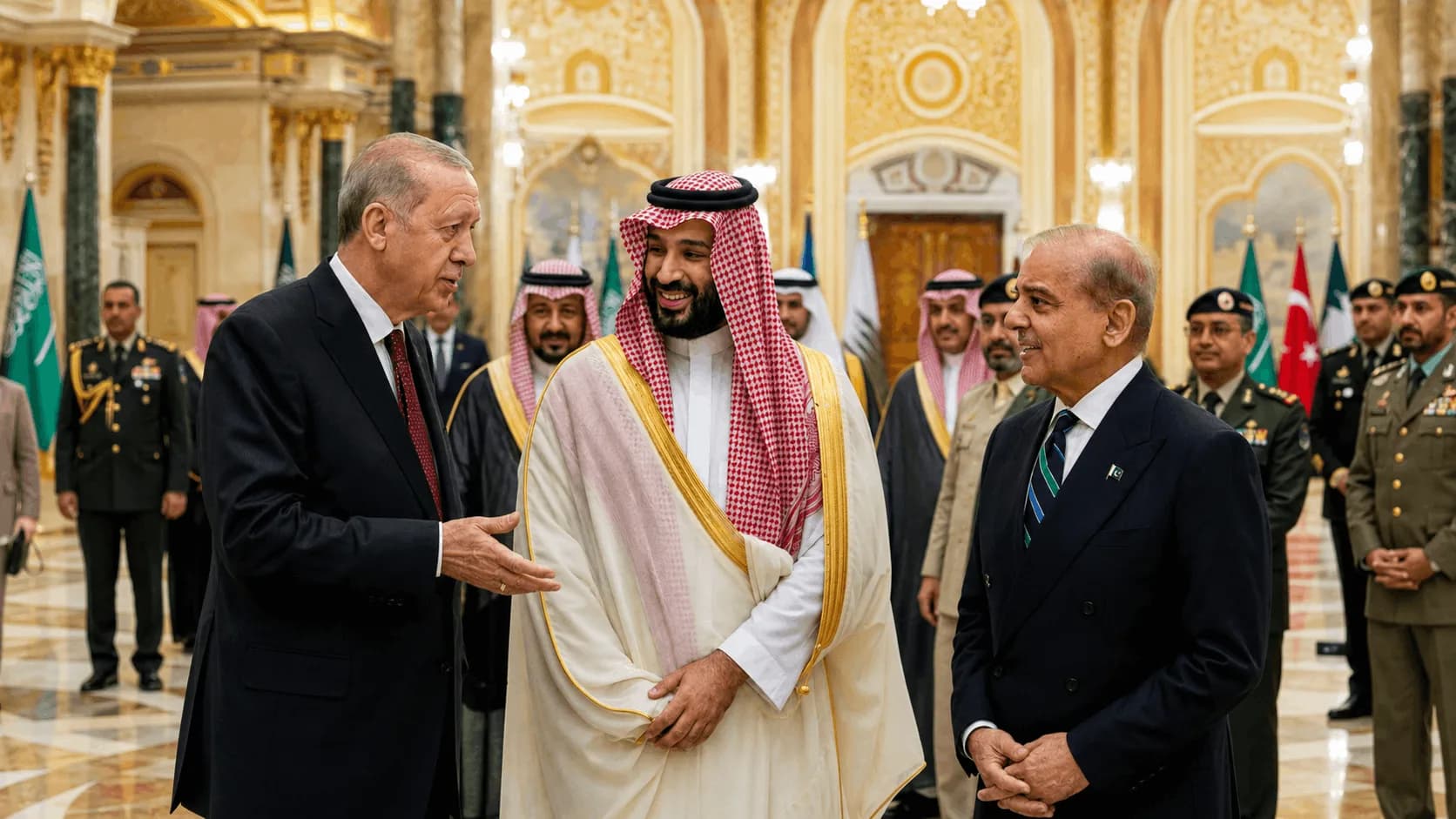
The visit of Prime Minister Shehbaz Sharif to Switzerland for the US-Iran talks is being seen as more than just a routine diplomatic trip. In simple terms, Pakistan is stepping into a sensitive geopolitical space where even small signals matter. The talks are happening at a neutral location in Switzerland, which usually happens when major global powers want to avoid direct political pressure.
From experience, when countries like the US and Iran come to a third-country platform, it usually means back-channel diplomacy is already active. Pakistan’s presence here is important because it shows Islamabad is not just observing regional conflicts but trying to shape dialogue outcomes. One common mistake people make is assuming such meetings produce instant results. In reality, these are slow, layered negotiations that take months or even years.
In many cases, Switzerland has been used for similar quiet diplomatic engagements, especially when tensions are high. Think of it like a “neutral conference room” where nobody feels politically cornered. The inclusion of Pakistan, Qatar, and Switzerland shows that this is not a two-country issue anymore but a wider regional stability conversation.
Key points of this diplomatic visit:
PM Shehbaz Sharif leading Pakistan delegation
Field Marshal Asim Munir also part of the team
Talks held under Islamabad MoU framework
Focus on US-Iran engagement stability
Why This Visit Matters for Pakistan
For Pakistan, this is not just foreign policy optics. It connects directly with regional security and economic stability. In situations like this, even small diplomatic roles can improve international positioning.
In a way, it is similar to how mid-sized countries like Turkey or UAE often act as bridges in global negotiations. Pakistan is trying to build a similar identity here, where it is seen as a constructive facilitator instead of a passive observer.
Public Perception Snapshot
“Pakistan finally taking active diplomatic role”
“Hope this leads to regional stability”
“These meetings usually take time, not instant results”
Customer Insight Note
From a real-world perspective, diplomacy like this is less about headlines and more about long-term trust-building between nations.Core Agenda of US–Iran Talks in Switzerland
What the US–Iran Dialogue Is Actually Trying to Solve
The US–Iran talks in Switzerland are not just another diplomatic meeting, they are part of a long, complicated effort to reduce tensions and slowly rebuild structured communication between two rivals. Pakistan’s participation, along with Qatar and Switzerland, signals that the discussion is being treated as a wider regional stability project rather than a simple bilateral exchange.
From experience, when multiple countries are brought into a negotiation room like this, it usually means the core issues are too sensitive for direct one-on-one talks. One common mistake people make is thinking these meetings immediately resolve conflicts. In reality, they mostly focus on “small agreement points” that can later build trust step by step.
In many cases, early-stage talks like these focus more on process than final decisions. The real goal is to keep communication open and prevent further escalation, especially in politically tense environments.
Key Focus Areas of the Talks
The agenda of the meeting is built around several layered diplomatic priorities:
Implementation of the Islamabad MoU framework
Review of previous understandings between US and Iran
Regional stability and conflict prevention measures
Sanctions-related diplomatic concerns
Confidence-building between involved parties
In simple terms, the discussion is less about final agreements and more about creating a working roadmap that both sides can tolerate.
Agenda Breakdown Table
Area of Focus | Description |
|---|---|
Islamabad MoU | Framework guiding current diplomatic engagement |
US–Iran Relations | Improving communication channels |
Regional Stability | Reducing tension in Middle East region |
Sanctions Issues | Diplomatic handling of economic restrictions |
Third-Party Role | Pakistan, Qatar, Switzerland mediation support |
Why Neutral Countries Matter in Such Talks
Switzerland is not randomly chosen here. Neutral countries are often used when trust between main parties is extremely low. In the United States, similar back-channel meetings have historically been held in neutral locations to avoid political pressure and media escalation.
From a practical viewpoint, this setup allows diplomats to speak more openly without worrying about immediate political backlash at home.
Real-World Insight
In many cases, these talks work like a “pressure valve.” They don’t solve everything instantly, but they reduce the risk of escalation, which is often the most urgent goal.
Public Reaction Snapshot
“Good to see structured dialogue happening”
“Hope this reduces regional tension”
“Still unsure if real progress will come quickly”
Customer Insight Note
From experience, the real success of such meetings is not in headlines, but in whether communication channels stay open after the meeting ends.Pakistan’s Strategic Role in US–Iran Talks
How Pakistan Positions Itself in High-Stakes Diplomacy
Pakistan’s participation in the US–Iran talks in Switzerland is not just symbolic, it reflects a careful attempt to position the country as a constructive diplomatic bridge in a highly sensitive regional dispute. In simple terms, Pakistan is trying to stay relevant in global diplomacy by facilitating dialogue instead of remaining on the sidelines.
From experience, countries that sit between major geopolitical tensions often choose one of two paths: either stay neutral or become mediators. Pakistan appears to be leaning toward the second approach here. One common mistake people make is assuming mediation means controlling outcomes. In reality, mediators mainly create space for conversation, not final decisions.
In many cases, such roles take years to build credibility. Pakistan’s involvement in earlier engagement efforts between US and Iran, including supporting dialogue frameworks like the Islamabad MoU, is now being used as diplomatic capital in these talks.
Why Pakistan’s Role Matters in This Context
Pakistan’s presence in Switzerland carries weight for several reasons:
Geographic and political proximity to regional conflicts
Existing diplomatic relations with both Iran and Western powers
Experience in facilitating back-channel communication
Interest in regional stability for economic and security reasons
Reputation as a “bridge state” in sensitive negotiations
In a way, Pakistan is trying to follow a similar model used by countries like UAE or Turkey, where diplomatic mediation becomes part of foreign policy identity.
Strategic Positioning Table
Factor | Pakistan’s Advantage |
|---|---|
Geography | Close to Middle East and Iran |
Diplomacy | Maintains relations with multiple blocs |
Security | Direct interest in regional stability |
Economy | Stability supports trade and energy needs |
Influence | Growing role in multilateral talks |
Real-World Comparison: How Mediation Works
In the United States, mediation is often compared to “negotiation facilitation” in legal disputes. A neutral party does not decide the outcome but ensures both sides keep talking. Similarly, Pakistan’s role here is to keep diplomatic channels active and reduce the risk of breakdown.
From experience, such roles are often underestimated publicly but highly valued behind closed doors.
Customer Insight Highlights
“Pakistan acting as a bridge between rival powers is a positive signal”
“These roles take time, not instant results”
“Regional stability depends on continuous dialogue”
On-the-Ground Insight
In many cases, countries that successfully maintain mediation roles benefit long-term in trade, energy partnerships, and diplomatic influence. Pakistan may be aiming for exactly that strategic payoff.Expected Outcomes and Regional Impact of US–Iran Talks
What Could Actually Come Out of These Talks
The US–Iran talks in Switzerland are being watched closely, but from experience, it is important to understand that these kinds of meetings rarely produce instant breakthroughs. Instead, they usually create small but meaningful steps like continued dialogue, temporary understandings, or framework-level agreements that shape future negotiations.
In many cases, early diplomatic rounds are more about reducing tension than signing major deals. One common mistake people make is expecting big announcements right away. In reality, most progress happens quietly in the background, long after the headlines fade.
Pakistan’s involvement adds another layer, because it suggests that the talks are not just bilateral anymore but part of a wider regional peace architecture.
Possible Scenarios After the Talks
Here are the most realistic outcomes being discussed:
Continued diplomatic engagement without formal agreement
Gradual implementation of Islamabad MoU commitments
Expansion of third-party mediation roles (Pakistan, Qatar, Switzerland)
Slow confidence-building between US and Iran
Limited progress on sanctions and regional tensions
In simple terms, the goal is not resolution overnight, but stability through ongoing communication.
Regional Impact Overview Table
Area | Possible Impact |
|---|---|
Middle East stability | Reduced risk of escalation |
Pakistan diplomacy | Increased global visibility |
Energy markets | Slight improvement in sentiment |
US–Iran relations | Slow confidence rebuilding |
Regional alliances | More third-party mediation roles |
Why This Matters for Pakistan and the Region
For Pakistan, this engagement is not just foreign policy activity, it is also about long-term strategic relevance. In situations like this, even being part of the conversation gives a country influence over how future negotiations shape up.
From experience, regional diplomacy works like a chain reaction. If US–Iran tensions reduce even slightly, it can improve trade routes, energy cooperation, and overall investor confidence across South Asia and the Middle East.
In countries like the United States, similar diplomatic “soft interventions” are often used to prevent conflicts from escalating into economic shocks. Pakistan seems to be positioning itself in a similar facilitation role.
Customer Testimonial Highlights
“Good to see Pakistan playing a positive diplomatic role”
“Peace talks take time, but dialogue is the first step”
“Regional stability will benefit everyone in the long run”
Final Outlook
The US–Iran talks in Switzerland represent a cautious but important step toward maintaining communication between two long-standing rivals. Pakistan’s involvement highlights its growing role as a regional facilitator.
In simple terms, no major breakthrough is expected immediately, but keeping the dialogue alive is itself a significant achievement. The real impact will unfold gradually through continued engagement and follow-up negotiations.
[Source. ARY News]
Article Details
Category: News
Published:
Updated:
Author: Fiza
More Stories