World Cricketers’ Association Questions ICC Over World Cup Format Change
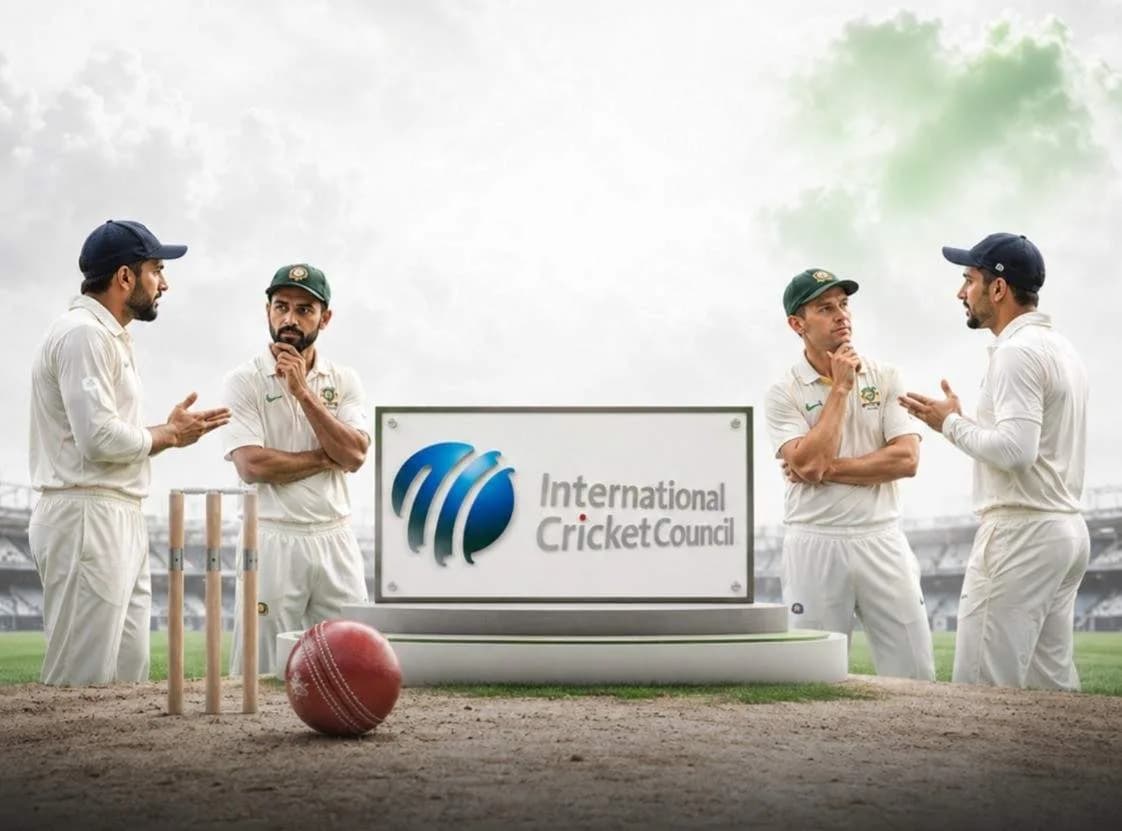
The upcoming 2027 ICC Men’s ODI World Cup has entered a major debate after the World Cricketers’ Association questions ICC over World Cup format change. The global players’ body has expressed concerns about the revised tournament structure, saying important decisions should involve proper consultation with players and cricket stakeholders.
The tournament, which will be co-hosted by South Africa, Zimbabwe, and Namibia, will still feature 14 teams. However, the International Cricket Council (ICC) has introduced a new preliminary round for the three lowest-ranked qualified teams. Only one of those teams will move into the main competition.
For many cricket fans, especially those following emerging teams, this change raises an important question: does this format help cricket grow globally, or does it create more barriers for smaller nations?
Why the 2027 World Cup Format Change Matters
World Cup qualification is not just about playing matches. For many countries, it represents years of investment, player development, and national pride.
Teams such as the Netherlands, Ireland, Scotland, and Namibia have spent years building competitive squads to reach major ICC events. A change in format directly impacts their preparation and future opportunities.
The key concerns raised by the WCA include:
Lack of meaningful consultation with players
Changes to previously announced qualification expectations
Reduced opportunities for emerging cricket nations
Impact on player careers and cricket development
A Debate Between Competition and Expansion
The ICC believes the revised structure will create more competitive matches by ensuring stronger contests throughout the tournament. However, critics argue that global cricket growth requires giving developing nations more chances to compete against top teams.
In many cases, smaller cricket nations improve only when they regularly face stronger opponents on the biggest stage. Playing against teams like Pakistan, India, Australia, or England provides valuable experience that cannot always be gained through domestic competitions.
From experience, global sports often grow when new teams are given meaningful opportunities. Football’s expansion of major tournaments is often discussed as an example where wider participation helped increase interest among new audiences.
The 2027 World Cup format debate is therefore not only about scheduling or match numbers. It is about deciding what direction international cricket wants to take in the coming years.ICC Changes 2027 World Cup Format Despite Earlier Expansion Plans
The ICC’s decision to revise the 2027 ODI World Cup structure has surprised several cricket stakeholders because it differs from the expansion plan announced earlier. In 2021, the International Cricket Council confirmed that the men’s World Cup would expand from 10 teams to 14 teams starting in 2027.
The original idea was to provide more countries with a genuine opportunity to compete on cricket’s biggest stage. However, the updated format introduces a preliminary round that changes how some teams will experience the tournament.
How the New 2027 World Cup Format Will Work
The 2027 World Cup will still include 14 qualified teams, but the three lowest-ranked sides after qualification will face an early challenge.
Under the revised structure:
14 teams will qualify for the tournament
The three lowest-ranked teams will enter a preliminary Super Series round
Only one team from those three will advance
The remaining teams will move into the main group stage
The tournament will continue with a Super Seven phase before the knockout rounds
The ICC says this approach will create more meaningful matches and increase competition throughout the event.
Previous Plan vs New Format
Previous Expansion Plan | Revised 2027 Format |
|---|---|
14 teams expected to participate directly | 14 teams qualify but three face an early round |
More guaranteed World Cup matches for emerging teams | Fewer opportunities for some lower-ranked teams |
Focus on wider global participation | Focus on stronger competitive balance |
Two groups of seven teams planned | Preliminary round added before main stage |
Why This Change Created Debate
The main concern is not simply the number of teams participating. The issue is the quality of opportunity provided to those teams.
For smaller cricket nations, reaching a World Cup is already a historic achievement. A guaranteed tournament campaign can bring sponsorships, new fans, and increased investment in local cricket programs.
One common mistake people make is looking only at rankings and assuming lower-ranked teams cannot compete. Cricket history has shown several examples where developing teams have surprised stronger opponents in major tournaments.
Pakistan cricket fans have witnessed similar moments when emerging sides created unexpected results in global events. These matches often become the moments that inspire young players and increase interest in the sport.
The Bigger Question for International Cricket
The format change highlights a wider discussion about cricket’s future. Should global tournaments focus mainly on the highest-quality competition, or should they provide more space for developing nations to grow?
The answer may shape how international cricket expands in the next decade.WCA Raises Concerns Over Transparency and Player Consultation
The World Cricketers’ Association (WCA) has questioned the process behind the ICC’s decision, saying major changes to global tournaments should involve meaningful discussions with players and other stakeholders.
According to the players’ body, the issue is not only about the revised World Cup format. It is also about transparency, trust, and how important decisions are made in international cricket.
WCA chief executive Tom Moffat said the ICC has the authority to decide tournament structures, but significant changes should come with clear communication and proper consultation.
Why Players Are Concerned About the Decision
For international cricketers, a World Cup is often the biggest achievement of their careers. Players spend years preparing for qualification campaigns, improving their skills, and building teams capable of competing at the highest level.
The WCA highlighted several concerns:
Players were not sufficiently consulted before the announcement
Qualification pathways changed after years of planning
Smaller nations may lose valuable exposure
Career opportunities could be affected for many players
In many cases, cricket development depends on opportunities at major tournaments. A team playing against stronger opponents gains experience, attracts sponsors, and motivates young players back home.
The Impact on Emerging Cricket Nations
Countries outside the traditional cricket powers often rely on ICC events to grow the sport locally. A World Cup appearance can create a major difference for these teams.
For example:
More international exposure
Increased media attention
Better funding opportunities
Growth of grassroots cricket programs
Inspiration for younger generations
From experience, sports ecosystems grow when athletes have a clear pathway and realistic goals. If players feel that opportunities can change after years of preparation, it can affect motivation and investment in developing cricket nations.
Players Want a Stronger Voice
The WCA believes players should have a meaningful role in decisions that directly impact their careers.
Scottish captain Richie Berrington also expressed disappointment, saying players do not expect to make every decision but should be involved when changes have major effects on the game.
A similar discussion has appeared among sports communities online, including platforms like Quora, where fans often debate whether global tournaments should prioritize competitiveness or wider participation.
The debate shows that the future of cricket is not only about match formats. It is also about creating a system where players, countries, and fans feel included in the growth of the sport.Associate Nations Fear Reduced Opportunities on Cricket’s Biggest Stage
The biggest concern surrounding the revised 2027 World Cup format comes from associate and developing cricket nations. For these teams, qualifying for an ICC event is not just another tournament appearance. It represents years of effort, investment, and the opportunity to compete against the world’s best teams.
Captains from countries such as the Netherlands, Ireland, Scotland, and Namibia have shared concerns that the new structure could reduce meaningful opportunities for emerging cricket nations.
Why World Cup Matches Matter for Smaller Teams
For established cricket nations, World Cup participation is expected. However, for developing teams, every match at a global event can change the future of the sport in their country.
A single tournament can help teams gain:
International recognition
New supporters
Sponsorship opportunities
Better funding for domestic cricket
Experience against top-ranked teams
In many cases, smaller nations improve because they regularly face stronger opponents. Competitive exposure helps players understand pressure situations and raise their overall standards.
Players Speak About Lost Opportunities
Netherlands captain Scott Edwards said qualifying for an ODI World Cup is a major achievement for any country. He expressed disappointment that teams could see their tournament experience reduced after years of preparation.
Ireland captain Paul Stirling also highlighted the importance of smaller teams, saying associate nations have consistently added value and excitement to global cricket events.
Namibia captain Gerhard Erasmus explained that for many players, an ODI World Cup is a career-defining opportunity. He stressed that qualification should provide a genuine chance to compete rather than just participation.
Lessons From Other Global Sports
Supporters of wider participation often point to football as an example. The FIFA World Cup has historically provided opportunities for smaller nations to compete on a global stage, creating memorable moments and growing the sport in new markets.
Cricket faces a similar challenge. The sport wants to become more global, but achieving that goal requires consistent opportunities for teams outside the traditional cricket powers.
Pakistan’s Connection With Global Cricket Growth
Pakistan has experienced how emerging cricket nations can bring fresh energy to international tournaments. Matches against developing teams often attract attention because they bring unpredictability and new stories.
For Pakistani fans, global cricket becomes more exciting when more countries compete seriously. A stronger international pool benefits the entire sport by creating more competition and expanding cricket’s worldwide audience.
The debate around the 2027 World Cup format shows that associate nations are not only asking for participation. They are asking for a fair opportunity to grow, compete, and inspire future generations of cricketers.What This Means for the Future of Global Cricket
The debate over the 2027 ODI World Cup format is much bigger than a simple tournament structure change. It reflects a wider discussion about how international cricket should grow and balance competitiveness with global expansion.
The ICC believes the revised format will create more intense matches by ensuring stronger contests during the tournament. However, the World Cricketers’ Association and several players argue that growth cannot happen without giving developing nations meaningful opportunities.
Balancing Competition and Global Expansion
International cricket has always faced the challenge of maintaining high-quality competition while expanding beyond traditional cricket-playing countries.
A successful global model needs both:
Strong competition between top teams
More opportunities for emerging nations
Clear qualification pathways
Fair involvement of players in major decisions
From experience, sports become stronger when new teams are allowed to develop through regular exposure. Young players in developing cricket countries need international platforms to understand pressure, improve skills, and inspire future generations.
Possible Impact on Future Cricket Events
The 2027 World Cup format could influence how future ICC tournaments are designed. The discussion may encourage cricket authorities to reconsider how they approach expansion, qualification, and stakeholder involvement.
Important areas for future consideration include:
More transparent decision-making processes
Better communication with players and teams
Long-term planning for emerging cricket nations
Creating competitive but inclusive tournament structures
Customer Testimonial Highlights
Cricket supporters around the world often value tournaments that provide unexpected moments and new stories. Fans frequently mention that matches involving emerging teams bring excitement because results are less predictable and new talents get international recognition.
Many supporters believe that giving smaller nations more opportunities helps create future cricket stars and expands the sport’s global audience.
Conclusion
The World Cricketers’ Association’s concerns over the ICC’s World Cup format change have started an important conversation about the future direction of international cricket.
While the ICC aims to make the 2027 ODI World Cup more competitive, players and emerging cricket nations believe that major tournaments should provide wider opportunities and stronger pathways for growth.
The challenge for cricket administrators is finding the right balance between quality competition and global inclusion. A truly international sport needs both established champions and rising teams pushing the boundaries.
For countries like Pakistan, where cricket remains a major passion, the growth of the game worldwide benefits everyone. More competitive teams, stronger global participation, and fair opportunities can help cricket reach new audiences and secure a stronger future.
FAQ.s
What is the 2027 ODI World Cup format change?
The ICC has revised the 2027 ODI World Cup format by introducing a preliminary round for the three lowest-ranked qualified teams. Only one team will advance to the main tournament.
Why is the World Cricketers’ Association concerned about the ICC format change?
The WCA is concerned about transparency, player consultation, and reduced opportunities for emerging cricket nations that have invested years preparing for the World Cup.
Who will host the 2027 ODI World Cup?
The 2027 ICC Men’s ODI World Cup will be co-hosted by South Africa, Zimbabwe, and Namibia.
How many teams will participate in the 2027 World Cup?
The 2027 ODI World Cup will feature 14 teams, but the three lowest-ranked qualified teams will face an early preliminary round.
What was the original ICC plan for the 2027 World Cup?
The ICC announced in 2021 that the ODI World Cup would expand from 10 to 14 teams, with all qualified teams expected to have a bigger tournament opportunity.
What is the new Super Series round in the 2027 World Cup?
The Super Series preliminary round will involve the three lowest-ranked qualified teams, with only one team progressing to join the main group stage.
Which teams are affected by the new World Cup format?
Associate and emerging cricket nations such as the Netherlands, Ireland, Scotland, and Namibia could be affected because they often rely on World Cup exposure for growth.
What did WCA CEO Tom Moffat say about the ICC decision?
Tom Moffat said major changes to global events should involve genuine consultation, transparency, and clear explanations for players and stakeholders.
Why are smaller cricket nations important for global cricket?
Smaller cricket nations help expand the sport globally by bringing new audiences, developing talent, and creating competitive matches against established teams.
How did players react to the ICC World Cup format change?
Players including Scott Edwards, Paul Stirling, Richie Berrington, and Gerhard Erasmus expressed concerns about reduced opportunities and the impact on cricket growth.
Does the ICC support the new World Cup format?
Yes, the ICC believes the revised format will create more meaningful contests, improve competitiveness, and provide stronger matches throughout the tournament.
How can World Cup format changes affect players?
Format changes can impact player careers, qualification pathways, sponsorship opportunities, and the long-term development plans of national teams.
Why is World Cup qualification important for emerging teams?
Qualification provides smaller teams with international exposure, financial benefits, experience against top sides, and inspiration for future generations of players.
What is the main debate about the 2027 World Cup format?
The debate focuses on balancing competitive quality with global cricket expansion and ensuring emerging nations receive meaningful opportunities on the world stage.
Article Details
Category: Cricket
Published:
Updated:
Author: Rabia
More Stories