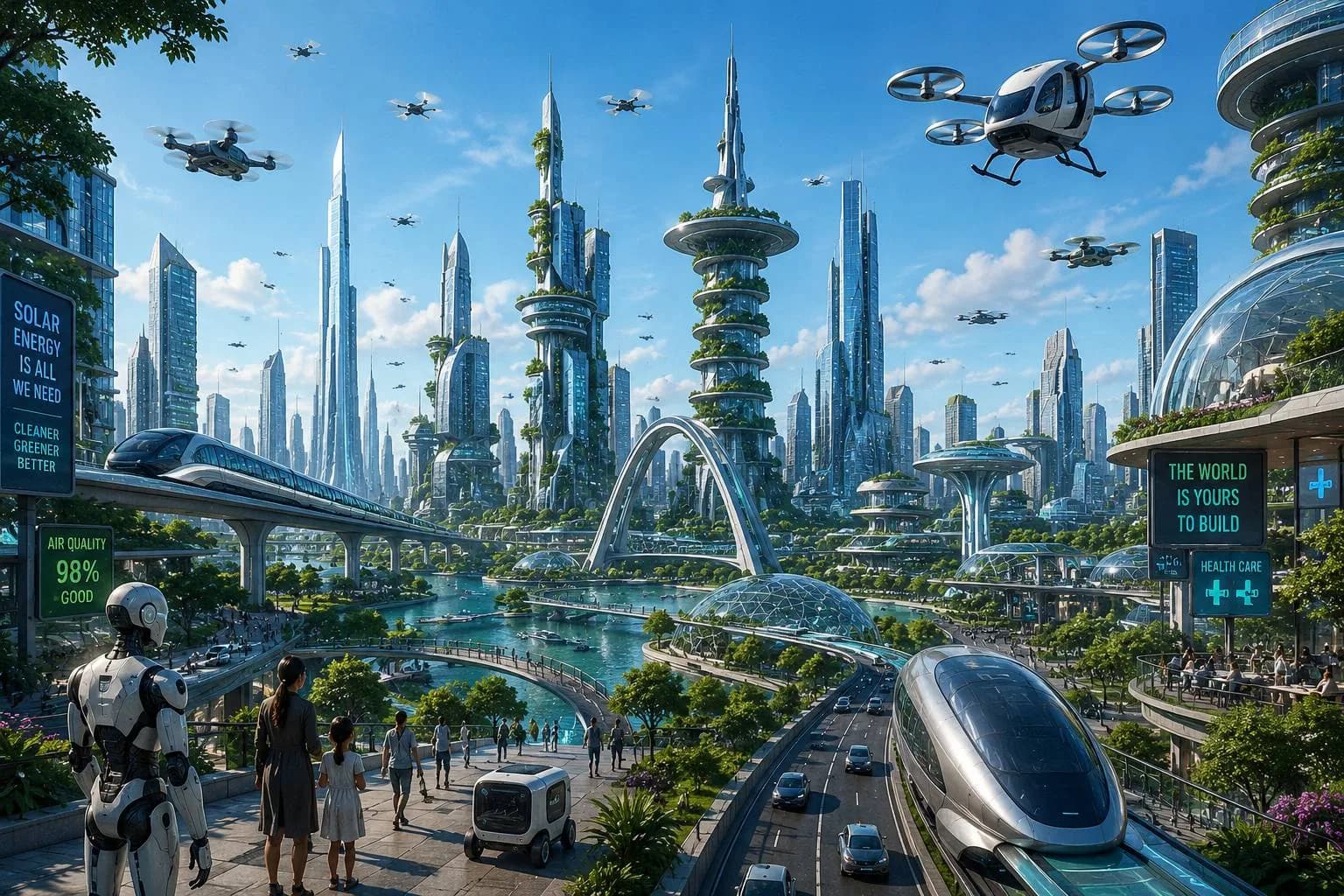
Imagine waking up in 2050, where your home manages energy, your doctor uses AI, and your job looks very different from today. The future may feel advanced, but it will also bring new pressures for families, workers, and governments.
A More Connected And Crowded World
World In 2050 will likely be more urban, more digital, and more dependent on technology. UN projections place the global population near 9.7 to 9.8 billion by 2050, which means cities will need better housing, transport, food systems, hospitals, and internet access.
In many cases, daily life may become easier through smart devices, faster networks, digital payments, and AI-based services. But more people will also mean more demand for electricity, water, jobs, and public services.
Major Changes Expected By 2050
| Area | Possible Change |
|---|---|
| Technology | AI, robotics, smart homes, and automation may become part of everyday work. |
| Energy | Renewables, electric transport, and efficiency systems could reshape power use. |
| Cities | Urban areas may rely more on smart transport, sensors, and digital public services. |
| Jobs | Workers may need continuous reskilling as AI changes routine and technical roles. |
AI Could Change Work And Education
By 2050, AI may act like a workplace assistant, teacher, translator, designer, analyst, and medical support tool. The World Economic Forum’s Future of Jobs Report 2025 already shows employers expecting major skill changes before 2030.
From experience, the biggest advantage will go to people who keep learning. One common mistake people make is thinking one degree will be enough for a lifetime. In the future, learning may become a regular part of earning.
The Financial Burden On Families
The future may bring better tools, but also new costs. Families may need faster internet, better devices, paid learning platforms, health technology, and energy-efficient appliances. It is like moving into a modern house where everything works smarter, but every system has a maintenance bill.
Climate And Energy Will Shape Daily Life
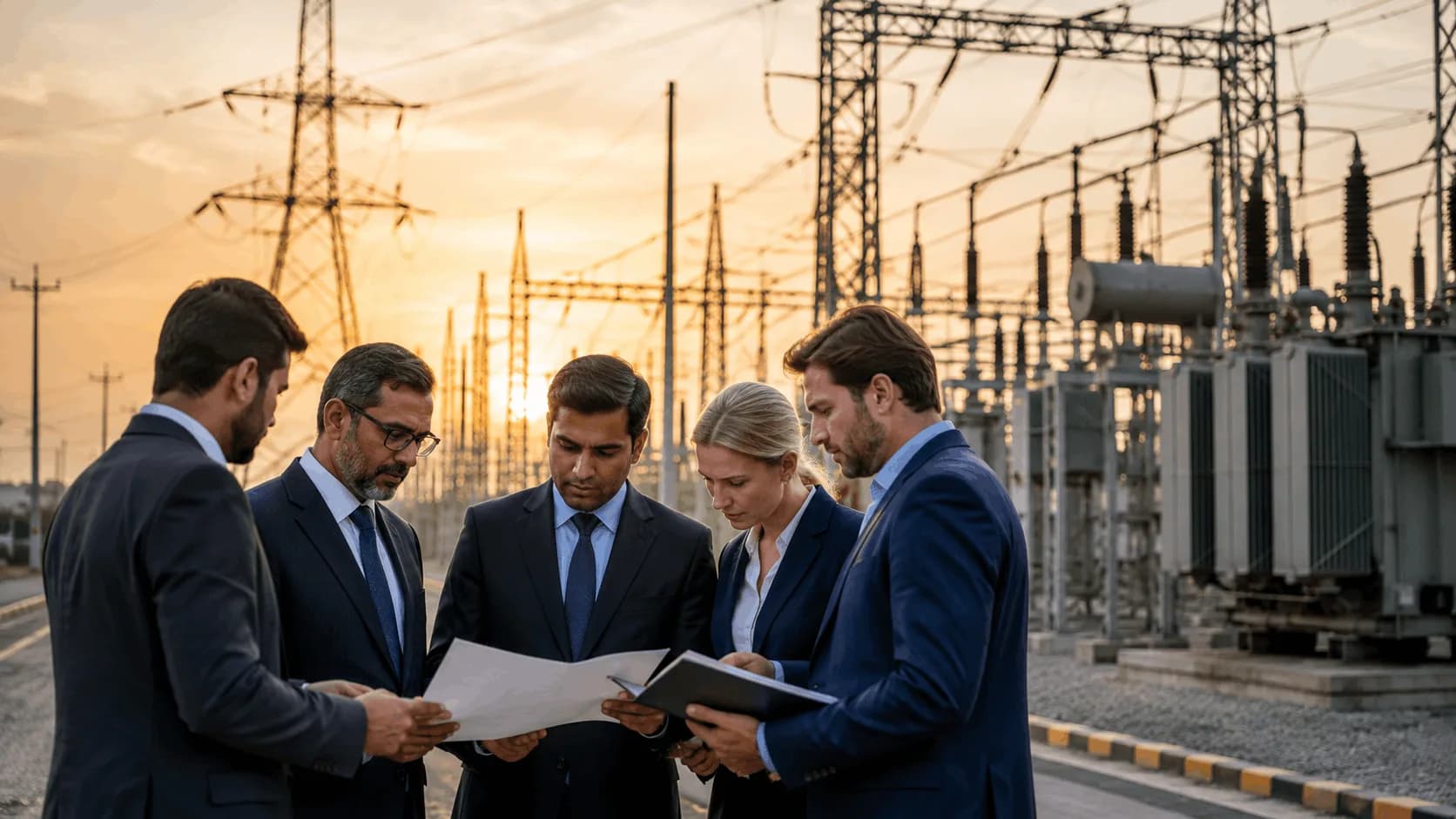
The International Energy Agency’s net-zero pathway shows a future where renewable energy plays a much larger role by 2050. Solar, wind, electric vehicles, batteries, and smarter grids could become more common if countries continue investing in clean energy.
At the same time, climate pressure may affect food prices, water supply, health risks, and migration. Hotter cities may need better cooling systems, greener buildings, and stronger disaster planning.
Closing Thought
World In 2050 will not be shaped by technology alone. It will depend on how countries manage education, climate, healthcare, jobs, energy, and fairness. The best future will not be the one with the most gadgets, but the one where progress remains affordable, useful, and accessible for ordinary people.
Quick Facts Box
- The UN projects the global population near 9.7 to 9.8 billion by 2050.
- IEA scenarios show renewables playing a much larger role in global energy by 2050.
- AI and automation are expected to reshape skills and jobs well before 2050.
- Climate change, ageing populations, and urban growth will influence future economies.
Article Details
Category: Global
Published:
Author: Pari Row
More Stories