What if the next big relief in electricity bills comes not from tariffs, but from stronger power infrastructure? Pakistan’s energy sector may be heading toward a fresh injection of external financing that could reshape how electricity is generated and delivered across the country.
The Asian Infrastructure Investment Bank (AIIB) is reportedly evaluating an investment of $100 million to $150 million in Pakistan’s energy sector. The focus is not just on generation but on the often-overlooked backbone of the system: transmission lines, renewable integration, and long-term sustainable energy development.
Energy Infrastructure in Transition
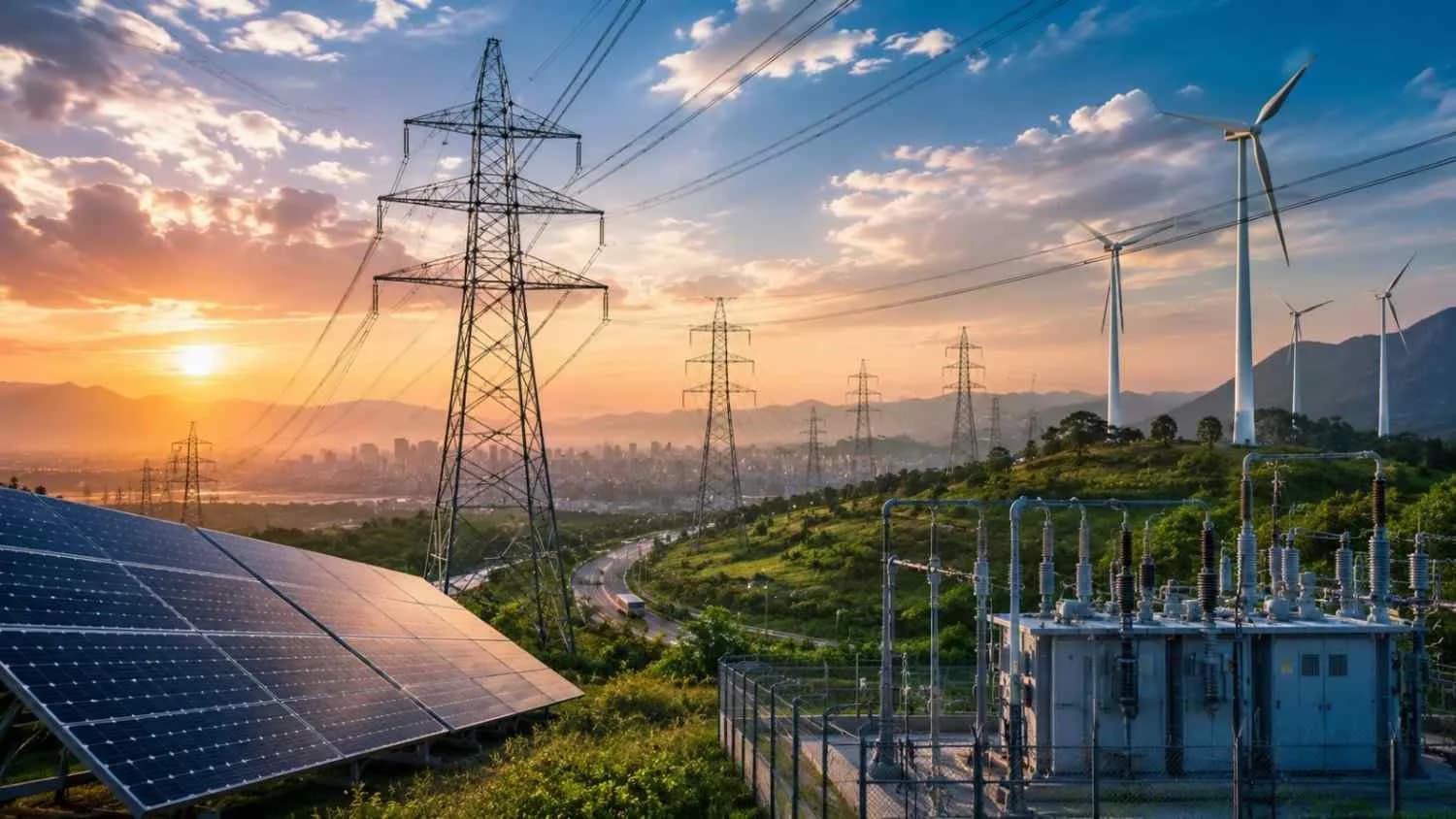
Pakistan’s power system has long struggled with transmission losses, outdated grids, and rising demand pressure. In many cases, electricity is generated but never fully reaches consumers due to inefficiencies in the network. This is where AIIB’s potential involvement becomes critical.
Instead of only funding new power plants, the emphasis is shifting toward upgrading the grid and improving how renewable energy is absorbed into the system. Solar and wind projects in southern regions often face bottlenecks due to limited transmission capacity.
Why Transmission Matters More Than Ever
From experience, one common mistake in energy planning is focusing only on generation while ignoring delivery. It is like filling a water tank with a broken pipeline underneath. No matter how much you add, leakage continues.
A stronger transmission network could reduce losses, stabilize voltage, and improve overall reliability for households and industries already burdened by high energy costs.
Renewables and Long-Term Stability
The proposed investment also aligns with Pakistan’s gradual shift toward renewable energy. Solar and wind power adoption is increasing, but integration into the national grid remains a challenge.
AIIB’s involvement could help finance smart grid upgrades and modern transmission corridors that allow cleaner energy to move efficiently from production sites to urban centers.
Household Impact Example
Think of a typical family in Karachi or Lahore paying monthly electricity bills that fluctuate unpredictably. Even when fuel prices drop globally, local bills often remain high due to inefficiencies and system losses. A stronger grid does not just support the sector, it indirectly stabilizes household expenses over time.
Investment Snapshot
| Category | Focus Area | Expected Impact |
|---|---|---|
| Transmission Upgrade | Grid expansion & modernization | Reduced power losses |
| Renewable Integration | Solar & wind connectivity | Cleaner energy supply |
| Sustainable Projects | Long-term energy planning | System stability |
Future Outlook
If finalized, the AIIB-backed financing could become a meaningful step toward reducing structural inefficiencies in Pakistan’s power sector. However, execution will be key. Infrastructure projects often take time, and real benefits depend on timely implementation and coordination between institutions.
A more stable energy system could also improve investor confidence in the broader economy, especially in manufacturing and export-driven industries that depend heavily on uninterrupted power supply.
The direction is clear: Pakistan’s energy future is increasingly tied to smarter infrastructure rather than just higher generation capacity.
Quick Facts Box
- AIIB investment range: $100 million to $150 million
- Focus areas: transmission, renewables, sustainable energy
- Key challenge: grid inefficiencies and power losses
- Goal: improved energy stability and cleaner integration
Closing Thought: Pakistan’s energy journey is shifting from short-term fixes to long-term system building. If this investment moves forward smoothly, it could quietly reshape how electricity flows from plants to homes, making the entire system more reliable without immediate dramatic changes, but steady structural improvement over time.
Article Details
Category: Investment
Published:
Updated:
Author: Aliya
More Stories